


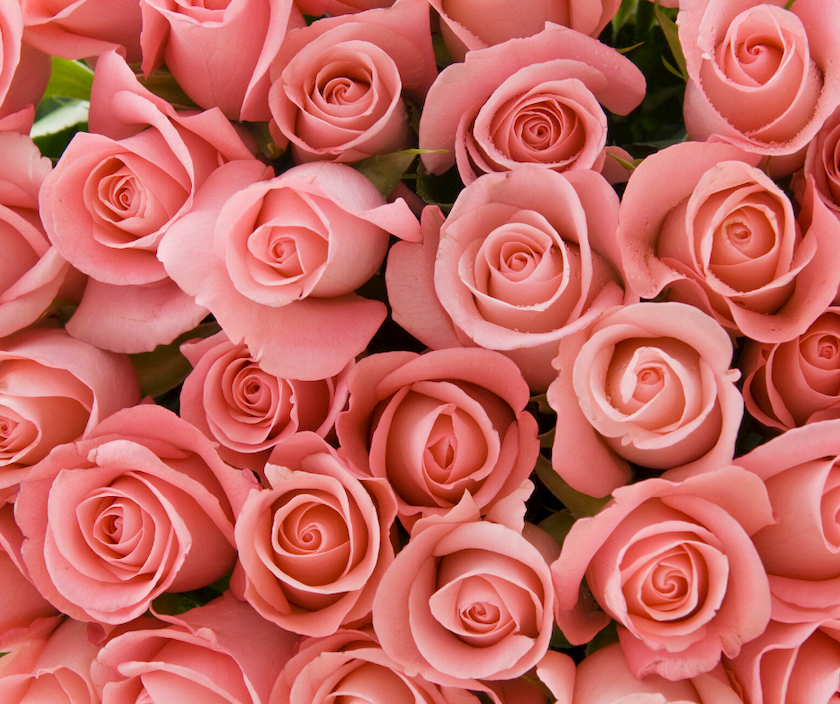
A beautiful bouquet of roses is more than just a gift. It’s a token of love, a get-well-soon wish, or a heartfelt apology. But the power of this flower goes far beyond its beauty. The real ประโยชน์ของดอกกุหลาบ (benefits of roses) are hidden within its petals. We’re talking about incredible rose petals benefits for skin and a whole host of other wellness perks. It’s time to see this classic flower not just as a decoration, but as a powerful addition to your health and beauty routine.
The scent of rose calms, soothes, and relaxes the mind and spirit. When diffused into the air, it helps with depression and relieves anxiety by lowering the concentrations of cortisol (a stress-related hormone). Within the traditional and holistic beliefs of Hindu medicine, also known as Aryuvedic medicine, roses have long been known to be a potent aphrodisiac. The mere sight and smell of rose invoke romantic feelings, which in turn boosts libido by releasing dopamine in the brain.
In skincare rose oils can be used in a multitude of ways. Rosewater is a natural astringent used to cleanse, tone, and tighten pores without the drying effects of alcohol. Rose oils have high levels of Vitamin C, which is a powerful antioxidant that helps protect the skin cells from damage caused by the sun. Rose inhibits pigmentation and acts as a sun protectant.
Rosehip oil, in particular, is chock full of fatty acids. Fatty acids help the skin retain moisture. (Rosehip oil is derived from pressing the seeds instead of the leaves). Our skin can easily absorb rose oil allowing it to penetrate even the deepest layers making it an excellent moisturizer. Even the most sensitive skin type can combat the effects of dry, itchy skin.
Rose oil and rose water are extraordinary for acne and acne-prone skin because of their natural antibacterial and anti-inflammatory properties. This skin type will benefit if the outer layer or barrier of their skin has become dry due to overuse of products designed to strip oil, which is why the rose is used to calm and soothe skin conditions such as rosacea or eczema. Being naturally fragrant rose oil alleviates the need for chemically enhanced fragrances found in beauty products, making this an excellent alternative for those with sensitive skin or us hippies at heart that dig anything and everything natural!
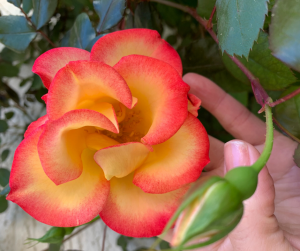
The Timeless Beauty and Wellness Benefits of Roses
Roses are more than just a beautiful flower; they are a powerhouse of benefits for both skin and overall wellness. Their use in beauty isn’t a new trend—it’s a practice that dates back centuries. From ancient queens to modern skincare enthusiasts, people have long turned to roses for their healing and rejuvenating properties. The flower is packed with vitamins, antioxidants, and essential oils that work together to hydrate, protect, and soothe. Understanding these benefits can help you appreciate why this timeless ingredient continues to be a staple in beauty rituals and a key component of a holistic approach to self-care, complementing the advanced treatments we rely on for lasting results.
A History of Healing and Beauty
From Ancient Rituals to Modern Skincare
The legacy of roses in beauty is rich and fascinating, with historical figures like Cleopatra famously using them to keep her skin moist and glowing. This ancient wisdom has been passed down through generations, and for good reason. Roses are naturally filled with beneficial compounds, including a range of vitamins and powerful antioxidants that protect the body from cellular damage. Their essential oils are prized not only for their beautiful fragrance but also for their therapeutic effects on the skin and mind. This long history of use is why roses have seamlessly transitioned from traditional remedies into sophisticated, modern skincare formulations that deliver visible results.
Rose Benefits for Glowing Skin
Deep Hydration and Moisture
One of the most celebrated benefits of rose-derived ingredients is their ability to provide deep, lasting hydration. Rosehip oil, which comes from the fruit of the rose plant, is particularly rich in fatty acids that help your skin’s barrier retain moisture. Unlike some moisturizers that sit on the surface, rose oil is easily absorbed, allowing it to penetrate into the deeper layers of the skin for more effective hydration. This makes it an excellent choice for anyone looking to combat dryness and maintain a soft, supple complexion. Its ability to moisturize without feeling heavy is what makes it a favorite for all skin types.
Soothes Irritation and Redness
If you struggle with sensitive or acne-prone skin, roses can be a gentle yet effective ally. Thanks to their natural antibacterial and anti-inflammatory properties, roses help calm irritation and reduce redness. This makes them a fantastic ingredient for managing skin conditions like acne or rosacea. For those with sensitive skin, using products with rose extracts can provide relief without the harshness of some chemical ingredients. It’s a perfect way to support your skin at home, especially when you’re also receiving professional treatments for rosacea or acne to keep your complexion calm and clear between visits.
Repairs and Protects from Environmental Damage
Roses are also a great source of Vitamin C, a vital antioxidant for skin health. Vitamin C plays a crucial role in protecting skin cells from environmental stressors like UV rays and pollution, which can accelerate aging. Beyond protection, it also helps the skin produce collagen, the protein responsible for keeping skin firm, plump, and youthful. By incorporating rose-infused products into your routine, you can help strengthen your skin’s defenses, maintain its elasticity, and minimize the appearance of fine lines and wrinkles over time, ensuring your skin stays resilient and radiant.
Beyond the Skin: Health Benefits of Roses
While roses are a gift to our skin, their benefits extend much further, contributing to our overall health and well-being from the inside out. The same vitamins, minerals, and antioxidants that nourish our complexion also support various bodily functions. From calming the mind to aiding digestion and reducing inflammation, the holistic advantages of roses are truly impressive. Whether enjoyed as a fragrant tea, used as an essential oil, or consumed for its nutritional value, this versatile flower offers a natural way to support your health. It’s a beautiful reminder that true wellness involves caring for your entire body, not just what you see on the surface.
Specific Health and Medicinal Uses
Supports Digestive and Internal Health
The gentle properties of roses can also extend to your digestive system. Rose tea, made from dried petals and buds, has been used in traditional medicine to soothe the stomach and support healthy digestion. The antioxidants present in roses may help reduce inflammation in the gut, while the act of sipping a warm, fragrant tea can itself be a calming ritual that eases discomfort. Furthermore, the vitamins and minerals found in rose petals contribute to the proper functioning of your body’s systems, helping you feel more energized and balanced from within. It’s a simple, pleasant way to support your internal health.
Aids in Women’s Health
For women, the calming effects of roses can be particularly beneficial. The scent of rose essential oil is known to help reduce feelings of stress and anxiety by lowering cortisol levels. This can be incredibly helpful for managing the mood swings and tension associated with PMS or daily life. A warm cup of rose tea is also a traditional remedy for easing menstrual cramps, thanks to its anti-inflammatory properties and soothing nature. Incorporating roses into your wellness routine, whether through aromatherapy or a comforting beverage, can be a wonderful form of self-care to promote emotional and physical balance.
Provides Natural Pain and Illness Relief
Roses also offer natural relief for certain types of pain and discomfort. Modern studies have shown that rosehip extract can significantly reduce pain and stiffness for individuals with joint inflammation, making it a valuable supplement for joint health. On a different note, the aroma of rose essential oil has a calming effect on the nervous system, which can help alleviate stress-related headaches and tiredness. In traditional Thai medicine, rose water has even been used to help treat fevers and restore energy, showcasing its long-standing role as a gentle, natural remedy.
Promotes Wound, Eye, and Oral Health
The natural antibacterial and antiseptic properties of roses make them useful for minor first aid and hygiene. Rose water can be used as a gentle cleanser for minor cuts and scrapes to help prevent infection. Its anti-inflammatory nature also makes it a soothing rinse for tired or irritated eyes. Some people even use rose water as a mouthwash to freshen breath and support gum health, as its antimicrobial qualities can help reduce bacteria in the mouth. These versatile applications highlight how roses can be a gentle yet effective part of a natural health toolkit for the whole family.
The Nutritional Power of Rose Petals
Vitamins and Minerals
Beyond their beauty and fragrance, rose petals are surprisingly nutritious. They contain a wealth of important vitamins, including Vitamin C, B, and K, which are essential for immune function, energy metabolism, and blood clotting. Rose petals also provide key minerals like calcium, potassium, copper, and iodine. These minerals are vital for maintaining healthy bodily systems, from supporting proper blood flow and heart health to ensuring your nervous system functions correctly. Consuming rose petals, often in the form of teas or jams, is a unique way to supplement your diet with these valuable nutrients.
Key Antioxidants for Wellness
Rose petals are packed with powerful antioxidants, such as phenols and anthocyanins, which are compounds that help protect your body from oxidative stress caused by free radicals. This cellular damage is linked to chronic inflammation and various health issues. Drinking rose tea is an excellent way to consume these antioxidants, which may help lower inflammation throughout the body. By regularly including antioxidant-rich elements like roses in your diet, you can actively support your body’s natural defense systems and contribute to long-term wellness and vitality.
Scientific and Historical Backing
Modern Studies on Rose Benefits
The traditional claims about roses are increasingly being supported by modern science. For instance, clinical studies have validated the effectiveness of rosehip extract in managing symptoms of osteoarthritis. Research has shown that it can significantly reduce pain, stiffness, and discomfort for people suffering from bone and joint inflammation. This scientific backing helps confirm what traditional medicine has known for centuries: that the compounds found in roses have real, measurable therapeutic effects on the body, offering a natural option for pain and inflammation management.
Historical Use in Medicine
The use of roses in medicine is a practice steeped in history and tradition across many cultures. In traditional Thai medicine, for example, rose water and rose oil have long been prescribed to treat a variety of ailments. Practitioners used them to help reduce fevers, quench thirst, and relieve feelings of tiredness. They were also valued for their ability to restore energy and vitality. This enduring legacy underscores the flower’s respected place in natural healing and serves as a testament to its powerful and versatile properties, which have been trusted to promote health and well-being for generations.
Here are some fun ways to incorporate rose to enhance our lives:
- Sip on rosehip tea
- Soak in a bath with about ten drops of rose essential oil
- Spritz rose-scented linen spray on pillows and sheets.
- Create a calming mask: soak eight rose petals in 3-4 tablespoons of water for 2-3 hours. Mash petals into the water then mix with three tablespoons of honey. Apply to face and leave on for 15 minutes.
Roses have enriched our lives from ancient times in history to the present. What wouldn’t we do for love? The love of ourselves, the love for others, and the love of our health. This beautiful flower gives us it’s all; this includes the petals, rosewater, essential oil, and seed pods. Cheers to the rose!
How to Use Roses at Home
Bringing the benefits of roses into your daily routine is simpler than you might think. Beyond their beauty in a vase, roses can be transformed into simple preparations for your skin, body, and home. These at-home rituals are a wonderful way to extend your self-care practices between professional treatments, using natural ingredients to soothe your well-being. Whether you’re looking to calm your skin or create a relaxing atmosphere, incorporating roses is an easy and luxurious way to care for yourself.
DIY Rose Preparations
How to Make Rose Water
Rose water is a classic beauty staple for a reason. As a gentle, natural astringent, it helps cleanse and tone the skin without the harshness of alcohol, making it perfect for tightening pores and refreshing your complexion. You can easily make your own by simmering fresh, pesticide-free rose petals in distilled water. Once strained and cooled, store it in a spray bottle in the fridge for a cooling facial mist or apply it with a cotton pad as a daily toner to soothe irritation.
How to Brew Rose Tea
A warm cup of rose tea is a comforting ritual with surprising wellness perks. Made from dried petals or buds, this fragrant tea is packed with Vitamin C and antioxidants that support your immune system. It’s often used as a natural remedy to soothe a sore throat or ease cold symptoms. To brew a cup, simply steep a tablespoon of dried, food-grade rose petals in hot water for five to ten minutes. It’s a beautiful way to hydrate and calm your body from the inside out.
Other Creative Uses for Roses
Culinary Uses
Roses aren’t just for looking at—they can also add a unique floral note to your food. In some cultures, like in Thailand, rose petals are used in creative culinary ways, such as being fried and eaten with chili paste. While you might not be ready for a spicy rose salad, you can start by sprinkling food-grade dried petals on desserts, salads, or cocktails. This adds a beautiful and aromatic touch to your dishes, making them feel a little more special and indulgent.
Household Uses
The calming scent of roses can instantly make your home feel more serene. An easy way to achieve this is by creating a simple rose-scented linen spray. Add a few drops of rose essential oil to a spray bottle with distilled water and a splash of witch hazel. Spritzing this on your pillows and sheets before bed can help create a relaxing atmosphere that encourages better sleep. It’s a small touch that adds a bit of everyday luxury to your evening routine.
Safety and Preparation Tips
Before you start making your own rose-infused creations, it’s important to keep a few safety guidelines in mind. Using the right kind of roses and understanding how they might affect your body are key to enjoying all their benefits without any unwanted side effects. A little bit of preparation ensures your DIY beauty and wellness projects are both safe and effective, allowing you to feel confident in the remedies you create for yourself at home.
Choosing the Right Roses
Why You Should Use Pesticide-Free Roses
This is the most important rule: not all roses are created equal. The beautiful bouquets you get from a florist are almost always treated with pesticides and chemicals to keep them looking fresh, which makes them completely unsuitable for anything you plan to eat, drink, or put on your skin. When using roses for any health or beauty purpose, you must source them from a place that guarantees they are clean and chemical-free. Look for organic, culinary-grade roses from specialty food stores or grow your own to ensure they are safe to use.
Important Considerations for Rose Tea
Who Should Avoid Rose Tea
While rose tea is generally safe for most people, it’s not for everyone. Its high vitamin C content can be problematic for individuals with certain health conditions. It’s best to consult with your doctor before drinking rose tea if you are pregnant or breastfeeding, or if you have a history of kidney stones, diabetes, or certain heart conditions. Being mindful of these contraindications is a crucial step in practicing responsible self-care and ensuring that what you consume is truly beneficial for your unique body and health needs.
Products I love:
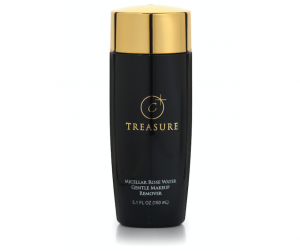
Micellar Rose Water Gentle Make-up Remover by CTREASURE.
This product removes traces of make-up with little effort leaving the skin clean, refreshed, and dewy. The rose oil smells lovely and is great for all skin types.
Fresh Cut Roses, this candle by YANKEE is divine.
The fragrance is not overpowering, and the scent lifts my spirits every time I light it.
Rosewater Linen and Room Spray by CRABTREE & EVELYN.
This product brings back soothing memories of my childhood, as this is my mom’s favorite.
Author: Shannon L. , Novuskin VIP Aesthetician & Laser Tech

Frequently Asked Questions
What’s the difference between rose oil and rosehip oil? It’s a great question, as they’re often mentioned together but are quite different. Rose oil is typically steam-distilled from the rose petals themselves and is prized for its incredible fragrance and soothing, anti-inflammatory properties. Rosehip oil, on the other hand, is pressed from the fruit or seeds of the rose plant. It’s packed with fatty acids and vitamins, making it a powerhouse for hydrating, repairing skin, and reducing the appearance of scars and fine lines.
Can I use the roses from my garden to make rose water or tea? I would be very careful with this. Roses from florists or many home gardens are often treated with pesticides and other chemicals that you definitely don’t want on your skin or in your body. For any DIY recipe, you should always use roses that are specifically labeled as organic or culinary-grade. This ensures they are completely free of chemicals and safe to use.
Is rose water actually good for oily or acne-prone skin? Yes, it absolutely can be. It might seem counterintuitive to add moisture to oily skin, but rose water is a fantastic natural astringent that helps cleanse and tone without stripping your skin’s natural barrier. Its antibacterial and anti-inflammatory qualities are also perfect for calming active breakouts and reducing the redness that often comes with acne, helping to create a more balanced complexion.
How can I tell if a skincare product has real rose benefits? The best way to know is to become a label detective. Look at the ingredients list on the back of the product. You want to see ingredients like Rosa Damascena Flower Water (rose water) or Rosa Canina Fruit Oil (rosehip oil) listed near the top. If you only see “fragrance” or “parfum,” you might just be getting a synthetic rose scent without any of the real skin benefits.
Besides drinking tea, are there other easy ways to get the health benefits of roses? Definitely. You can get creative in the kitchen with culinary-grade rose petals. Try sprinkling them over salads, yogurt, or desserts for a beautiful and nutritious touch. You can also use rose water to add a subtle floral flavor to baked goods, puddings, or even cocktails. It’s a simple way to incorporate their antioxidant and vitamin content into your diet.
Key Takeaways
- Roses are a skincare powerhouse: They naturally hydrate and soothe the skin with ingredients like rosehip oil, making them great for calming irritation and redness. Plus, their high Vitamin C content helps protect your complexion from environmental stressors.
- Their benefits extend beyond your skin: Incorporating roses into your wellness routine can support your overall health. Sipping rose tea can aid digestion and provide antioxidants, while the scent of rose oil is known to reduce stress and create a sense of calm.
- Always choose the right kind of roses: If you plan to use roses at home for tea, skincare, or cooking, it is essential to use organic, pesticide-free flowers. Roses from a florist are treated with chemicals and are not safe for consumption or topical use.


