


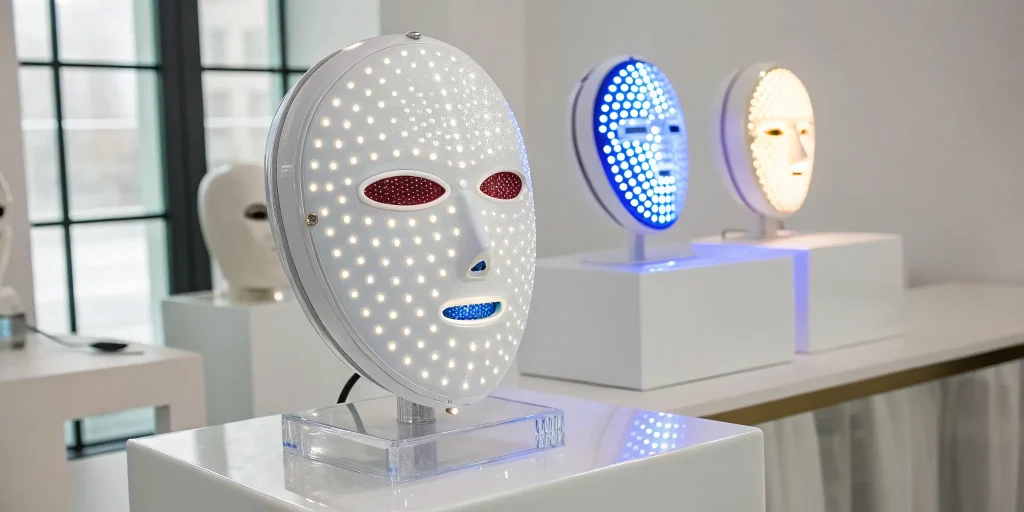
The idea of using light to clear your skin might sound like science fiction, but the technology is surprisingly simple and backed by solid research. At its core, LED light therapy for acne uses specific colors of light to tackle breakouts at their source. Blue light gets to work on the skin’s surface, eliminating the bacteria that causes pimples. At the same time, red light goes deeper to calm the inflammation behind all that redness and swelling. This powerful, dual-action approach is what makes an LED device so effective for acne control, giving you a way to clear your skin that’s completely painless.
Key Takeaways
- LED therapy uses a two-part strategy for acne: Blue light works on the skin’s surface to destroy acne-causing bacteria, while red light goes deeper to reduce inflammation and promote healing for a clearer complexion.
- Professional treatments offer more power and precision: In-office LED devices use stronger, medical-grade light than at-home versions, which means you get faster, more significant results under the guidance of a trained expert.
- Real results are built over time: A single session can be calming, but a series of consistent treatments is necessary to achieve and maintain clear skin. A professional will help you create a plan that addresses your specific acne concerns for long-term success.
How Does Professional LED Therapy Clear Acne?
If you’re looking for a gentle yet powerful way to manage breakouts, professional LED light therapy is a fantastic solution. At its core, this treatment uses specific, clinically-proven wavelengths of light to improve your skin’s health from within. It’s a completely non-invasive and painless therapy that helps clear up existing breakouts while also preventing new ones from forming. Think of it as a targeted approach that works on two essential fronts: it destroys acne-causing bacteria on the skin’s surface and calms the underlying inflammation that creates redness and swelling.
This dual-action method is what makes LED therapy so effective for a wide range of skin types and acne concerns. Unlike harsh topical treatments that can sometimes cause dryness or irritation, LED light therapy is calming and actually supports your skin’s natural healing process. It’s an ideal treatment for anyone seeking consistent, long-term results without downtime, making it a perfect addition to a regular skincare routine designed to keep your complexion clear and healthy.
The NASA Connection: From Space to Skincare
It might sound like science fiction, but the technology behind LED light therapy actually has its roots in space exploration. In the 1990s, NASA scientists were looking for ways to help astronauts’ wounds heal faster in zero gravity and discovered that certain wavelengths of light could accelerate cell regeneration. This pioneering research paved the way for using light therapy in the field of dermatology. What began as a solution for space travel has become one of the most trusted, non-invasive treatments for skin concerns right here on Earth, especially for managing persistent acne.
So, how does this space-age tech work on breakouts? It’s all about targeting the problem at its source. The blue light used in professional LED treatments emits a specific wavelength that is absorbed by the acne-causing bacteria on your skin. This process creates a chemical reaction that effectively destroys the bacteria from the inside out, without harming the surrounding tissue. At the same time, the light helps calm the underlying inflammation that causes the redness and swelling associated with pimples. This makes it a powerful, two-pronged approach to clearing your skin without harsh chemicals or irritation.
How Does LED Light Actually Work on Acne?
The magic behind LED therapy lies in its use of different colors of light, primarily blue and red, each with a distinct role in fighting acne. Blue light operates closer to the skin’s surface, where its main job is to eliminate the specific bacteria (P. acnes) responsible for causing breakouts. By neutralizing these bacteria, blue light helps stop acne at its source.
Red light, in contrast, penetrates deeper into the skin. Its primary function is to reduce inflammation and calm redness, which helps shrink angry pimples and soothe irritation. As an added benefit, red light also stimulates collagen and elastin production, which supports skin healing and contributes to a firmer, smoother complexion over time.
Why Light Wavelengths Matter for Your Skin
When you hear terms like “wavelengths” or “nanometers (nm),” it might sound overly technical, but the idea is quite straightforward. These terms simply refer to the specific, measured colors of light that are used in your treatment. Each wavelength is carefully selected because it has a proven, beneficial effect on the skin.
Most importantly, you should know that LED light therapy is safe and does not contain the harmful UV rays found in sunlight. It’s a gentle, non-invasive treatment that works in harmony with your skin’s natural biology. The precise nanometer measurements for blue and red light ensure the therapy is both highly effective for targeting acne and completely safe for your skin.
The Science of Wavelengths: Nanometers Explained
Think of nanometers (nm) as a precise way to measure the color of light. Each color has a unique wavelength, and this measurement determines how deeply the light can penetrate your skin. For acne treatments, specific wavelengths are chosen for their proven benefits. Blue light, which has a shorter wavelength of around 415 nm, works right at the skin’s surface. It’s absorbed by compounds within acne-causing bacteria, creating a reaction that effectively kills them off. Red light has a longer wavelength, allowing it to reach deeper layers of the skin where it works to reduce inflammation and calm redness. By using these exact, targeted wavelengths, professional LED therapy ensures the light energy is delivered exactly where it’s needed to clear breakouts and soothe your skin.
Blue Light vs. Red Light: Which One Is Right for Your Acne?
When it comes to LED therapy for acne, the two most talked-about colors are blue and red. Think of them as a dynamic duo working together to clear your skin. While both are effective, they play very different roles in calming breakouts and restoring your complexion. One works on the surface to eliminate the source of the problem, while the other goes deeper to heal and soothe. Understanding how each one functions helps you see why professional treatments often use them in tandem for the best results.
How Blue Light Kills Acne-Causing Bacteria
Blue light is your first line of defense against active breakouts. Its primary job is to target and destroy the specific type of acne-causing bacteria (P. acnes) that lives on your skin and contributes to pimples. This bacteria is sensitive to blue light wavelengths, which effectively stop it in its tracks without harming the surrounding skin. By reducing the amount of this bacteria, blue light helps clear up existing blemishes and prevent new ones from forming. It’s a non-invasive way to address the root cause of many types of acne, making it a go-to for anyone struggling with persistent pimples.
The Photo-Excitation Process
The science behind LED therapy’s effectiveness is a process called photo-excitation. While it sounds technical, the concept is simple: your skin absorbs specific wavelengths of light, which triggers a series of helpful reactions. When blue light (around 415 nm) hits your skin, it zeroes in on Cutibacterium acnes, the bacteria that’s a major cause of breakouts. This bacteria creates compounds that react to blue light, setting off a process that effectively destroys the bacteria without damaging the surrounding tissue. As a result, it helps clear existing pimples and prevents new ones by addressing the problem right at the source.
Red light, on the other hand, uses a longer wavelength (between 630-830 nm) to travel deeper into the skin. Its primary role isn’t to fight bacteria, but to reduce inflammation and promote healing. It accomplishes this by stimulating collagen and elastin production—the essential proteins that keep your skin firm and help it repair itself. This soothing effect helps reduce the redness and swelling associated with inflamed breakouts, supporting your skin’s natural recovery. When used together, these two wavelengths create a powerful, comprehensive approach to achieving clearer, healthier-looking skin.
How Red Light Reduces Redness and Heals Skin
While blue light handles the bacteria, red light focuses on healing and rejuvenation. Its longer wavelengths penetrate deeper into the skin to reduce the redness and inflammation associated with angry breakouts. This calming effect not only makes pimples look less noticeable but also helps your skin heal more quickly. As a bonus, red light is known to stimulate collagen and elastin production, which improves skin texture and firmness over time. This makes it fantastic for addressing post-acne marks and promoting an overall healthier, more even-toned complexion long after the breakout is gone.
Calming Inflammation and Reducing Sebum
Beyond just targeting bacteria, a successful acne treatment has to address the inflammation and excess oil that make breakouts worse. This is where red light truly shines. It works beneath the skin’s surface to soothe irritation, reduce redness, and calm down those painful, swollen pimples. At the same time, light therapies can help shrink the oil glands in your skin, which means less sebum production over time. For anyone who feels like they’re constantly battling oily skin, this is a major win. By tackling both inflammation and oil, LED therapy helps create a healthier skin environment where breakouts are less likely to occur in the first place.
Better Together: The Case for Combination Therapy
So, which light is better? The truth is, you don’t have to choose. The most effective professional LED treatments use a combination of both blue and red light to fight acne from every angle. This dual approach allows you to get the antibacterial benefits of blue light and the anti-inflammatory, healing power of red light in a single session. By targeting both the bacteria on the surface and the inflammation deep within the skin, combination therapy helps clear breakouts faster and more effectively than using either color alone. It’s a comprehensive strategy for achieving clear, calm, and healthy skin.
How Effective is LED Light Therapy for Acne?
It’s the big question on everyone’s mind: does LED light therapy actually get rid of acne? The short answer is yes, but it’s important to understand how it works and what to expect. This isn’t an overnight miracle cure, but rather a scientifically-backed treatment that delivers significant, lasting results with consistency. The effectiveness of LED therapy has been well-documented in clinical settings, showing that the right combination of light can dramatically reduce breakouts and improve overall skin health. It’s a trusted solution in the world of dermatology and aesthetics because it addresses acne at its source without being harsh or invasive.
The real power of this treatment comes from its ability to both clear existing blemishes and prevent future ones from forming. By targeting bacteria and reducing inflammation, it creates a healthier environment for your skin to thrive. Whether you’re dealing with persistent pimples or occasional flare-ups, professional LED therapy offers a reliable path to a clearer, calmer complexion. The key is committing to a consistent treatment plan designed to meet your skin’s specific needs, which is where professional guidance makes all the difference in achieving the best possible outcome.
What Clinical Studies Show
When you’re investing in your skin, you want to know the treatment is supported by real science. Fortunately, LED light therapy has a strong track record in clinical research. Multiple light-based therapies have been studied, with blue light consistently proving its effectiveness. In some trials, participants saw a 60–70% reduction in inflammatory acne lesions—those red, sore pimples that are often the hardest to treat. Another review of 35 different studies confirmed that visible light therapy is a promising and effective approach for managing acne, giving it a solid stamp of approval from the scientific community.
What’s even more encouraging is the high level of satisfaction reported by people who have used the treatment. In one study focusing on daily blue light use, participants noted significant improvements in their skin’s overall appearance and felt very positive about their results. This tells us that not only does the treatment work on a clinical level, but it also delivers visible changes that make people feel more confident in their skin. These findings confirm that professional LED therapy is a reliable and well-researched option for anyone serious about clearing their acne.
Real-World Results for Different Acne Types
So, what kind of results can you expect for your specific type of acne? Professional LED therapy is most effective for mild to moderate inflammatory acne. This includes the red pimples and pustules that are often accompanied by swelling and irritation. Because red and blue light work together to kill bacteria and calm inflammation, this treatment is perfectly suited to address these types of active breakouts. Patients in one study reported an average reduction of 43% in total acne spots after just four weeks of consistent treatment, which is a significant improvement in a relatively short time.
While it’s a game-changer for inflammatory acne, its effects on non-inflammatory acne, like blackheads and whiteheads, are generally less direct. However, by reducing overall bacteria and supporting skin health, it can still contribute to a clearer complexion all around. Some studies have shown a reduction in blackheads and whiteheads as part of the overall improvement. The best results come from a consistent series of treatments tailored to your skin, ensuring you’re using the right combination of light to tackle your unique concerns for clear, long-lasting results.
Which Professional LED Devices Do Experts Use?
When you’re ready to get serious about clearing your skin, professional-grade LED devices offer a significant step up from most at-home options. These systems are designed with more power, precision, and advanced technology to deliver consistent, clinical-level results. From powerful in-office panels to FDA-cleared masks you can use under professional guidance, here are some of the top devices that lead the way in treating acne with light.
Novuskin’s In-Office LED Systems
At Novuskin, we use state-of-the-art, in-office LED systems that deliver the most powerful and targeted light therapy available. Unlike at-home devices, our professional equipment uses higher-intensity light to penetrate deeper into the skin, which allows for more effective and faster results. When you come in for a treatment, our expert aestheticians customize the session to your specific skin concerns, ensuring the correct wavelengths and duration are used to kill acne bacteria and reduce inflammation. This professional oversight guarantees a safe and effective treatment that is tailored just for you, helping you achieve clear, healthy skin.
Dr. Dennis Gross DRx SpectraLite FaceWare Pro
You may have seen this futuristic mask online, and for good reason. The DRx SpectraLite FaceWare Pro is an FDA-cleared device designed to address common skin issues like breakouts, fine lines, and redness. It uses a combination of blue light to kill acne-causing bacteria and red light to stimulate collagen production and calm inflammation. It’s incredibly user-friendly, with a treatment time of just three minutes per day. The results are impressive, too. In clinical studies, 97% of participants saw a significant improvement in their acne after only two weeks of consistent use, making it a top choice for professional-guided home care.
Celluma PRO LED Panel System
The Celluma PRO is a versatile, all-in-one device you’ll often find in professional dermatology and aesthetic practices. This large, flexible panel is FDA-cleared to treat acne, wrinkles, and even pain management. It uses a powerful combination of blue, red, and near-infrared light to work on multiple levels. The blue light targets acne bacteria, while the red and near-infrared lights reduce inflammation, improve skin texture, and increase circulation to promote healing. Its unique design allows it to be shaped and placed almost anywhere on the body, making it perfect for treating acne on the face, chest, or back.
LightStim for Acne Professional Device
Specifically designed to tackle breakouts, the LightStim for Acne is a powerful handheld tool that delivers a targeted dose of light therapy. It uses 36 blue and red LEDs simultaneously to create a multi-action treatment. The blue light works to destroy acne-causing bacteria on the surface, while the red light penetrates deeper to reduce inflammation and soothe redness associated with breakouts. This FDA-cleared device is ideal for treating larger areas of acne. It’s designed for three-minute treatments per area and includes an automatic shut-off, making it a simple yet effective tool in the fight against persistent acne.
Omnilux Clear LED Light Therapy
Omnilux is a name trusted by skincare professionals worldwide, and the Omnilux Clear is their solution for acne-prone skin. This device is built on years of medical research and is known for its clinical effectiveness. It uses an optimized combination of blue and red light to deliver a two-pronged attack on breakouts. The blue light effectively neutralizes the bacteria responsible for acne, while the red light helps calm irritation, reduce redness, and support the skin’s natural healing process. It’s a go-to for professionals who want to provide clients with a reliable, non-invasive treatment for improving both active acne and overall skin health.
Professional vs. At-Home LED: What’s the Real Difference?
The market is full of at-home LED masks and wands, and they can be a great entry point into light therapy. They offer convenience and can help maintain your skin between professional appointments. But when you’re looking for significant, lasting changes, especially for persistent acne, the treatments you get in a medical spa are in a completely different league. The main distinctions come down to power, precision, and professional oversight, which all add up to better, faster results for your skin.
Why Professional Devices Are More Powerful
Think of it like a workout: you can get good results with home equipment, but a session with a personal trainer using professional-grade machines will be more targeted and effective. The same logic applies here. In-office LED devices deliver much stronger, medical-grade wavelengths that penetrate deeper into the skin to kill bacteria and reduce inflammation at the source. At-home devices are intentionally made weaker for safety reasons, which means you’ll need to use them far more consistently over a longer period to see even subtle improvements. A professional treatment gives your skin a concentrated, powerful dose of light for more dramatic and quicker results.
Why Expert Guidance and Better Coverage Matter
Beyond raw power, professional LED systems offer superior coverage. The large panels used in a clinic ensure that every inch of the treatment area receives a uniform, consistent dose of light. While some high-quality masks for home use are well-designed, many can leave gaps or deliver uneven light. More importantly, a professional treatment comes with an expert. An esthetician can assess your skin’s specific needs, choose the right combination of light wavelengths, and adjust the treatment plan as your skin improves. This personalized approach ensures you’re getting the most effective and appropriate care, something a one-size-fits-all home device can’t offer.
Are Professional Devices Safer and More Durable?
Your safety is the top priority in a professional setting. Clinical LED devices are rigorously tested, FDA-cleared, and maintained to meet strict medical standards. Unlike UV rays, LED uses a safe, low-level light that doesn’t damage your skin. In a med spa, your treatment is performed by a trained professional who ensures proper eye protection and correct device placement. Plus, these treatments can be safely combined with other services, like medical-grade facials or peels, to create a comprehensive plan that addresses multiple skin concerns at once. This integrated approach helps you achieve your goals safely and efficiently.
Can LED Therapy Treat Your Type of Acne?
One of the best things about LED light therapy is its versatility. It isn’t a one-size-fits-all treatment that only works for a specific pimple type. Instead, it uses different wavelengths of light to address the various factors that contribute to breakouts, from bacteria on the surface to inflammation deep within the skin. This makes it a fantastic option whether you’re dealing with persistent cystic acne, monthly hormonal flare-ups, or the lingering red marks left behind after a pimple heals.
Because it’s gentle and non-invasive, LED therapy is also suitable for all skin types, including sensitive skin that might react poorly to harsher topical treatments. It works by supporting your skin’s natural healing processes. Blue light focuses on eliminating acne-causing bacteria, while red light penetrates deeper to calm inflammation and help repair the skin. By combining these approaches, a professional LED treatment can be tailored to give your skin exactly what it needs to become clearer, smoother, and more resilient. It’s a smart, targeted approach to getting your acne under control for good.
Does It Work on Inflammatory and Cystic Acne?
If you struggle with red, painful, and swollen breakouts, you know how frustrating they can be. This is where LED therapy truly shines. Inflammatory acne, including deeper cystic types, is often driven by a combination of bacteria and your body’s own inflammatory response. LED treatments tackle both issues at once. Blue light works at the surface to kill acne-causing bacteria, helping to stop breakouts before they even fully form. At the same time, red light goes deeper to calm skin inflammation, reducing the swelling and redness that make these pimples so noticeable and uncomfortable. This dual-action approach helps clear existing blemishes and creates a healthier environment for your skin.
Limitations for Non-Inflammatory Acne
While LED therapy is a game-changer for red, angry pimples, it’s important to know that it’s not the best solution for every type of blemish. Specifically, it’s less effective for non-inflammatory acne, which includes blackheads and whiteheads. The reason is simple: these types of acne are primarily caused by clogged pores filled with oil and dead skin cells, not by bacteria and inflammation. Since blue light is designed to kill bacteria and red light is meant to calm inflammation, the therapy doesn’t have a primary target to work on with blackheads and whiteheads. Experts agree that LED therapy won’t help with deep acne like cysts, blackheads, or whiteheads.
This is why a comprehensive, professional approach is so important. For clogged pores, treatments like medical-grade facials with extractions, chemical peels, or specific skincare ingredients are far more effective. At Novuskin, we often create a combined treatment plan where LED therapy is used to manage inflammatory breakouts, while other treatments are incorporated to address texture, blackheads, and overall skin clarity. This ensures you’re using the right tool for the right job, leading to clearer, healthier skin across the board.
What About Stubborn Hormonal Acne?
Hormonal acne can feel like a relentless cycle, with breakouts appearing along the chin and jawline right on schedule. LED therapy offers a safe and effective way to manage these flare-ups. Research has shown that LED devices are effective for treating mild-to-moderate acne, including the red, swollen pimples common in hormonal breakouts. It also helps with non-inflammatory acne, like blackheads and whiteheads, which can also be part of the picture. By consistently using LED therapy, you can reduce the severity of your monthly breakouts and help your skin recover more quickly, giving you more control over your complexion.
Can LED Therapy Improve Scars and Skin Texture?
Sometimes the battle isn’t over even after a pimple is gone. Lingering red spots and uneven texture can be just as frustrating as the breakout itself. This is where red light therapy is incredibly helpful. It penetrates deep into the skin to soothe residual redness and swelling from old blemishes. More importantly, it stimulates your skin’s natural healing mechanisms by promoting the production of collagen and elastin. This process helps repair damaged tissue, smooth out uneven texture, and gradually fade the appearance of acne scars, leaving your skin looking firmer and more even-toned over time.
How to Choose the Right Professional LED Treatment
When you’re ready to try professional LED light therapy, knowing what to look for can make all the difference. Not all devices are created equal, and the best results come from treatments that are safe, effective, and tailored specifically to your skin’s needs. It’s a lot like choosing your skincare, you want to understand the ingredients, know the brand is reputable, and feel confident it’s the right fit for you. The same principles apply here. Taking a moment to learn about the key features, safety standards, and the science behind the technology will help you feel empowered and excited about your treatment plan. Let’s walk through what really matters.
The Importance of a Professional Consultation
Before you start any new treatment, a conversation with a professional is always the best first step. An expert esthetician can properly assess your skin, identify the specific type of acne you’re dealing with, and create a personalized treatment plan tailored just for you. This isn’t just about getting a recommendation; it’s about building a strategy for long-term success. They will determine the right combination of blue and red light wavelengths for your concerns and can adjust the plan as your skin improves. This expert guidance ensures every session is safe and effective, using powerful, medical-grade technology to deliver the best possible results. It’s the difference between guessing what your skin needs and knowing you’re on the right path to achieving clear, healthy skin.
What to Look For in a Professional Treatment
First things first: safety. When you’re looking at professional LED devices, the most important thing to check for is FDA clearance. This isn’t just a fancy sticker; it means the device has been rigorously tested to confirm it’s both safe and effective for its intended use, whether that’s treating acne, wrinkles, or pain. For example, top-tier professional devices are specifically FDA-cleared to manage acne, giving you peace of mind. This certification is your assurance that you’re using a tool that meets high standards. In a professional setting like Novuskin, you can relax knowing all our equipment is thoroughly vetted for safety and efficacy, taking the guesswork out of your hands.
Getting a Treatment Plan That’s Right for You
Your skin is unique, and your LED treatment should be, too. One of the biggest advantages of professional therapy is the ability to customize it. High-quality devices allow an esthetician to select specific light wavelengths to target your exact concerns. If you’re dealing with active breakouts, blue light is essential for killing acne-causing bacteria. If you also have redness and inflammation, adding red light helps calm the skin and promote healing. Many professional systems offer customizable options that use blue light, red light, or a combination of both for a comprehensive treatment that addresses multiple issues at once.
Why FDA Clearance and Clinical Studies Matter
Beyond the initial safety check, FDA clearance and clinical studies provide proof that a treatment actually works. When a device is backed by research, you know its claims are more than just marketing. For instance, studies have confirmed that devices using red and blue light are effective treatments for mild-to-moderate acne. This scientific validation is crucial because it shows that LED therapy is a reliable option, especially for those who may not respond well to traditional acne medications like topical creams or antibiotics. Choosing a treatment supported by clinical evidence means you’re investing in a solution that has been proven to deliver real, visible results.
Your First Professional LED Session: What to Expect
Walking into your first professional LED therapy session can feel exciting, but the process is straightforward, non-invasive, and actually quite relaxing. Think of it as 20 to 30 minutes of dedicated time where you can lie back while advanced light technology does the work. Your provider will make sure you’re comfortable, protect your eyes, and position the device so the therapeutic light can effectively target your skin concerns. It’s a simple and painless step toward achieving your skin goals.
How Long Are Treatments and How Often Do You Need Them?
A typical session lasts about 20 to 30 minutes, making it easy to fit into a busy schedule. Because professional devices use powerful medical-grade wavelengths, they deliver consistent energy for deeper, faster results than at-home masks. While one session can leave your skin feeling refreshed, the real benefits come from consistency. Most skincare experts recommend an initial series of treatments, perhaps once a week for four to six weeks. After that, you can move to a maintenance schedule to keep your skin clear and glowing. Your provider will create a plan tailored to your skin’s needs.
A Typical In-Office Treatment Schedule
Your journey to clearer skin with professional LED therapy typically starts with an initial series of treatments designed to get breakouts under control. Most experts recommend coming in once a week for about four to six weeks. This consistent exposure to the therapeutic light helps significantly reduce bacteria and inflammation, giving your skin a powerful reset. Once your skin is looking clearer and calmer, you’ll transition to a maintenance schedule, which might mean a session every month or so to keep breakouts at bay and maintain your results. Of course, this is just a general guide. The best part about working with a professional is that your treatment plan will be completely customized to your skin’s unique needs for long-term success.
How to Fit LED Therapy into Your Skincare Routine
LED light therapy is a fantastic team player. It’s gentle enough for all skin types, including sensitive skin, and can be safely combined with other aesthetic treatments to amplify your results. For example, following a chemical peel or microneedling with an LED session can help calm inflammation and speed up the healing process. This synergy allows you to get more out of each procedure. The key is to work with a professional who understands your skin. A tailored regimen ensures that every part of your skincare plan works together to help you achieve clear, healthy skin.
Combining Light Therapy with Topical Treatments
You don’t have to ditch your favorite acne-fighting serums to make room for LED therapy. In fact, combining the two can create a more powerful and comprehensive skincare strategy. Think of it this way: LED therapy works from the inside out by killing bacteria and calming inflammation deep within the skin, while your topical treatments work from the outside in to exfoliate and keep pores clear. This dual approach addresses acne from every angle. Plus, because LED therapy is so gentle and supports your skin’s natural healing process, it can help soothe some of the dryness or irritation that stronger topical products might cause. The key is to create a balanced routine, which is why consulting with a professional is so important to ensure your treatments and products work together effectively.
When Will You See Clearer Skin?
Patience is key with any new skincare treatment, but you likely won’t have to wait long to see progress with LED therapy. While results vary, many people report a noticeable improvement in their skin’s tone and a reduction in breakouts after about four to six consistent sessions. Some even start seeing clearer skin in as little as two weeks. The results are cumulative, meaning your skin continues to improve with each session. Clinical studies back this up, showing that consistent use of red and blue light therapy leads to a significant decrease in acne.
Is LED Light Therapy Safe for Acne?
Let’s talk about one of the most common questions I hear: is putting this much light on your face actually safe? The short answer is yes, LED light therapy is widely considered a safe and gentle way to treat acne. It’s a non-invasive treatment, meaning it doesn’t break the skin, and it doesn’t use any UV light, so you don’t have to worry about the risks associated with sun exposure.
Recent research confirms that LED devices are both safe and effective for managing mild to moderate acne. When you receive treatment from a professional, you get the added benefit of a controlled, clinical environment where an expert manages the device intensity and duration. This ensures you get the best results without any guesswork. While the technology is very safe for most people, there are a few important exceptions and precautions to keep in mind to ensure your experience is a good one.
Understanding Long-Term Safety
It’s smart to think about the future, and you might be wondering about the effects of using LED therapy over many years. While the treatment is widely accepted as safe for regular use, it’s also true that experts are still learning about its long-term safety. This is where professional guidance becomes so important. In a clinical setting, every treatment is managed by a trained expert who uses medical-grade, FDA-cleared devices according to strict safety protocols. This oversight ensures you receive the correct intensity and duration for your skin, minimizing any potential risks and maximizing the benefits. By working with a professional, you can feel confident that you’re getting a safe, effective treatment based on the most current research and best practices.
Who Should Skip LED Therapy?
While LED therapy is a fantastic option for many, it’s not the right fit for everyone. Certain medical conditions can make your skin highly reactive to light, which could lead to a negative reaction. It’s best to avoid LED treatments if you have a photosensitive disorder or conditions like lupus, photosensitive eczema, or albinism.
If you’re taking any medications that increase light sensitivity, like certain antibiotics or retinoids, it’s crucial to talk to your provider first. Honesty is the best policy here. Always share your full medical history with your esthetician so they can confirm if LED therapy is a safe choice for your unique skin.
Medications and Conditions to Consider
It’s super important to let your provider know about any medications you’re taking, as some can make your skin more sensitive to light. Common culprits include certain antibiotics, lithium, and powerful acne medications like isotretinoin (formerly known as Accutane). Even some topical treatments, like retinoids, can increase photosensitivity. Beyond medications, it’s also essential to share if you have a history of skin cancer or certain eye conditions, as these are often contraindications for light therapy. A thorough consultation with a professional ensures your treatment is not only effective but also completely safe for you. This open communication helps your provider make the best decisions for your skin’s health.
How to Prevent Potential Skin Reactions
The good news is that side effects from professional LED therapy are very rare and usually minor. Some people might experience a little temporary redness, dryness, or slight irritation right after a session, but this typically fades quickly. Think of it as your skin adjusting to the therapeutic light.
To keep your skin happy and calm post-treatment, stick to a gentle skincare routine. Use a hydrating, non-comedogenic moisturizer to soothe your skin and avoid any harsh exfoliants or active ingredients for a day or two. Following the aftercare advice from your provider is the best way to ensure your skin recovers beautifully and you get the clear, glowing results you’re looking for.
Essential Aftercare: Sun Protection
One of the most critical steps in your aftercare routine is something you should be doing every day anyway: protecting your skin from the sun. While LED therapy is completely safe and doesn’t use any harmful UV rays, your skin can be a little more sensitive to sunlight immediately following a session. Think of it as giving your skin the best possible environment to heal and show off its amazing results. To do this, make sure you apply a broad-spectrum sunscreen with at least SPF 30 every single morning. This simple step not only prevents potential irritation but also protects the investment you’ve made in your treatment, ensuring your complexion stays clear, calm, and even-toned.
How to Protect Your Eyes and Skin During Treatment
Your safety is the top priority during any professional treatment. While LED light is beneficial for your skin, it can be intense for your eyes. That’s why a trained professional will always provide you with proper, full-coverage eye protection to wear during your session. Never look directly into the lights, even with the protection on.
This is one of the biggest advantages of in-office treatments over at-home devices. Your provider handles all the safety protocols, from ensuring the device is positioned correctly to protecting your eyes. All you have to do is lie back and relax, knowing you’re in expert hands.
How Much Does Professional LED Therapy for Acne Cost?
When you’re ready to invest in clearer skin, understanding the cost is a practical next step. Professional LED therapy is a powerful tool against acne, but the price can vary depending on where you go and how you pay for your treatments. It’s helpful to think of it less as a one-time expense and more as an ongoing part of your self-care routine. The total cost depends on whether you choose professional in-office sessions or less potent at-home devices, and how you structure your treatment plan. Let’s break down the options so you can find a path to clearer skin that fits your goals and your budget.
Breaking Down the Cost: In-Office vs. At-Home
The price tag on a single professional LED session can seem higher than buying an at-home mask, but the value is in the results. In-office treatments use powerful, medical-grade wavelengths that penetrate deeper into the skin for faster, more noticeable changes. At-home devices are significantly weaker and may not deliver the clinical-strength energy needed to effectively treat persistent acne. When you invest in professional therapy, you’re paying for superior technology and the expertise of a trained provider who ensures your treatment is safe and tailored to your skin’s specific needs.
Will Insurance Cover LED Therapy?
This is a common question, and the answer is a bit of a mixed bag. Generally, insurance coverage for LED therapy depends on whether it’s considered a “medically necessary” treatment for a diagnosed skin condition. While some insurance plans may cover in-office light therapy when prescribed by a doctor for conditions like severe acne, it’s not always a guarantee. Aesthetic treatments are often viewed as elective and aren’t typically covered by standard health insurance.
However, there’s a silver lining. Many people can use funds from their Flexible Spending Account (FSA) or Health Savings Account (HSA) to pay for treatments. Light therapy is often an approved eligible item for these accounts, which allows you to use pre-tax dollars for your skincare. The best first step is to call your insurance provider directly to ask about your specific policy and check your FSA/HSA eligibility. This will give you the clearest picture of your options.
Can a Membership Save You Money?
Paying for each LED session individually can add up, making it difficult to stay consistent enough to see lasting results. This is where a membership model changes the game. Instead of facing a large bill after every visit, a predictable monthly payment covers your treatments, making it easier to budget for your skincare. This approach helps make LED therapy more accessible and encourages the regular sessions you need to calm inflammation and keep breakouts under control. Think of it like a gym membership for your skin; consistency is what delivers the transformation you’re looking for.
Related Articles
Frequently Asked Questions
Is LED light therapy painful? Not at all. In fact, most people find the experience incredibly relaxing. The treatment is completely non-invasive, so there are no needles or discomfort involved. You’ll simply lie back comfortably while the device does its work. The light itself doesn’t generate heat, though some people report a very gentle, soothing warmth on their skin during the session.
How soon will I actually see a difference in my skin? While some people notice their skin looks calmer and less inflamed after just one or two sessions, the most significant changes happen with consistency. Think of it like starting a new fitness routine. For lasting acne clearance and improved skin texture, you’ll want to complete an initial series of treatments, usually over several weeks. Most clients see a clear reduction in breakouts after about a month of regular sessions.
Can I still use my regular skincare products, like retinol, with LED therapy? Yes, you can, but timing is important. LED therapy works beautifully alongside a good skincare routine. However, it’s best to pause any strong active ingredients, such as retinoids or exfoliating acids, for a day or two before and after your session. This gives your skin a chance to respond to the light therapy without any risk of irritation. Your provider can give you specific advice based on your skin and the products you use.
Will my acne come back if I stop getting treatments? LED therapy is excellent for managing acne and keeping skin clear, but it isn’t a one-and-done cure. After your initial series of treatments gets your breakouts under control, think of follow-up sessions as maintenance. Occasional treatments can help manage the factors that cause acne, like bacteria and inflammation, keeping your skin consistently clear over the long term.
Why should I pay for professional sessions when I can just buy an at-home mask? The biggest difference comes down to power and precision. The LED devices used in a professional setting are significantly more powerful than anything you can buy for home use. This medical-grade intensity allows the light to penetrate deeper for more effective, reliable, and faster results. Plus, you get the guidance of a trained professional who can customize the treatment specifically for your skin’s needs, ensuring you get the best possible outcome safely.


