


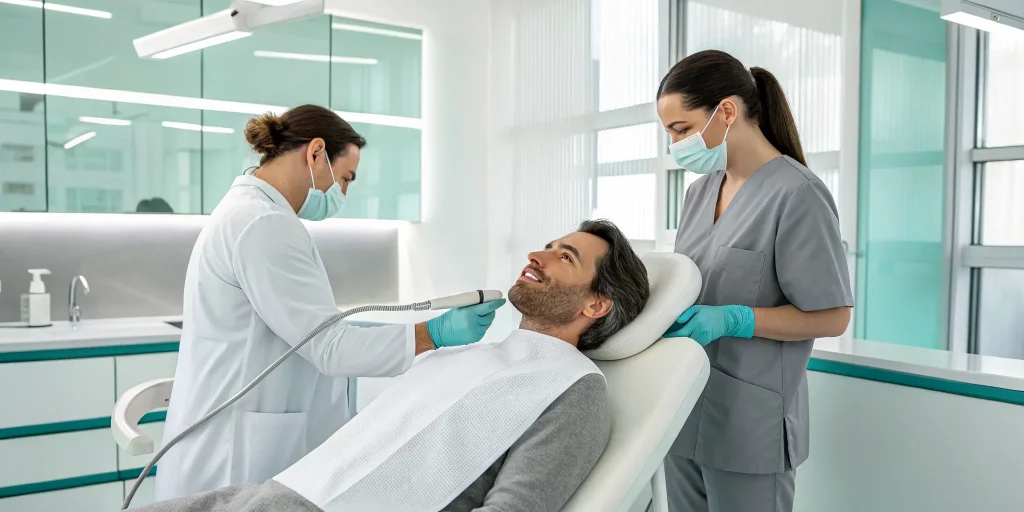
When you want smoother skin, you have options. But aggressive lasers and deep chemical peels often mean serious downtime, and they aren’t always a fit for every skin tone. This is where radiofrequency microneedling for scars truly shines. It’s a smarter, more modern approach to scar revision. Instead of stripping the top layer of your skin, this radiofrequency scar treatment delivers gentle heat deep below the surface. This kickstarts your body’s natural healing process, remodeling tissue from the inside out. The result? A powerful treatment for rf microneedling acne scars with minimal recovery.
Key Takeaways
- It repairs scars from the inside out: RF microneedling uses a dual-action approach, combining tiny needles with gentle heat to stimulate deep collagen production. This process rebuilds the skin’s foundation, effectively filling in indented acne scars for a smoother surface.
- Lasting results are built over time: Expect a series of three to five treatments scheduled about a month apart. While you may see an initial glow, the most significant improvements appear gradually over three to six months as your skin produces new, healthy collagen.
- The right provider is your most important choice: The success of your treatment depends heavily on the skill of the person performing it. Always choose a licensed, experienced professional and use your consultation to ask specific questions about their training, safety protocols, and how they will customize the treatment for you.
What Is Radiofrequency (RF) Microneedling?
If you’re looking for a way to finally smooth out acne scars, let me introduce you to one of the most effective treatments available: radiofrequency (RF) microneedling. Think of it as a supercharged version of traditional microneedling. This treatment uses a combination of tiny, sterile needles and gentle heat from radiofrequency energy to kickstart your skin’s natural healing process. By encouraging your skin to produce more collagen, it helps rebuild and repair from the inside out, leading to a smoother, more even complexion. It’s a fantastic, minimally invasive option for anyone wanting to reduce the appearance of stubborn scars and improve overall skin texture.
The Science of Collagen Induction Therapy
So, how does this treatment actually work its magic on scars? It’s all about encouraging your skin to heal itself. The process, known as collagen induction therapy, uses a dual approach. First, the ultra-fine needles create tiny, controlled micro-injuries in the deeper layers of your skin. This action alone triggers your body’s natural wound-healing response. Then, the device delivers radiofrequency energy, generating gentle heat precisely where it’s needed most. This heat amplifies the healing signal, supercharging the production of new collagen and elastin—the essential proteins that give your skin its structure and firmness. Over time, this new collagen network rebuilds the skin from beneath, filling in indented scars and creating a smoother, more even surface. This process is so effective that a series of treatments can significantly fade scars and improve overall skin texture.
RF vs. Traditional Microneedling: What’s the Difference?
So, what makes RF microneedling different from the standard version? While both treatments create micro-injuries to stimulate collagen,
What Does the “Radiofrequency” Part Actually Do?
The “RF” in RF microneedling is the real game-changer. Radiofrequency is a type of energy that creates a gentle, controlled heat deep within the skin. During the treatment, this energy travels through the microneedles to the deeper layers without affecting the surface. This targeted heat is what makes the treatment so powerful for scar revision. It signals your body’s repair systems to create a much stronger collagen production response than microneedling alone. This new collagen helps fill in the indented areas left by acne scars, effectively plumping and smoothing the skin from within.
Why Precision is Key for Treating Acne Scars
Acne scars aren’t all the same; they can be deep, shallow, wide, or narrow. One of the biggest advantages of RF microneedling is its precision. The depth of the needles and the intensity of the radiofrequency energy can be adjusted to target your specific concerns. This makes it incredibly effective for treating stubborn issues like deep-set acne scars and uneven texture. Because the treatment is so targeted, your provider can create a customized plan that addresses the unique shapes and depths of your scars, leading to more effective and noticeable improvements.
What Else Can RF Microneedling Treat?
While RF microneedling is a superstar for acne scars, its talents don’t stop there. This treatment is incredibly versatile and can address a whole range of common skin concerns that go beyond scarring. Because it works by rebuilding your skin’s foundational structure, it’s also highly effective for reducing the appearance of stretch marks, surgical scars, and even enlarged pores. Many people also see great results in improving overall skin texture and tone. If you’re dealing with issues like sun damage, dark spots, or melasma, the combination of microneedling and radiofrequency can help create a more even, radiant complexion. It’s a true multi-tasker for anyone looking to achieve healthier, smoother skin from head to toe.
How Does RF Microneedling Heal Acne Scars?
If you’ve ever felt frustrated by stubborn acne scars, you know they can be tough to treat. Unlike surface-level discoloration, many acne scars are indented, caused by a loss of collagen deep within the skin. RF microneedling is so effective because it works on multiple levels to rebuild that damaged tissue from the inside out. It doesn’t just skim the surface; it remodels the very foundation of your skin for a smoother texture. The treatment combines microneedling and radiofrequency energy to trigger your body’s natural healing mechanisms, encouraging it to replace old scar tissue with fresh, healthy skin.
How It Repairs Skin from the Inside Out
Think of RF microneedling as a smart, two-step process for skin repair. First, the microneedling creates tiny, controlled channels in your skin. This physical action breaks up tough, fibrous scar tissue and signals your body to start its natural healing cascade. Then, radiofrequency delivers gentle heat deep into the dermis through those micro-channels. This thermal energy gives your collagen-producing cells an extra push, accelerating the repair process. This dual-action approach is what makes the treatment so effective for smoothing the texture left behind by acne.
Kickstarting Collagen Production for a Smoother Texture
The key to healing acne scars is rebuilding your skin’s support structure, and that means making more collagen. RF microneedling works by creating tiny, controlled injuries in your skin, which is a very precise process. This prompts your body to jump into repair mode and produce new collagen and elastin, the two proteins responsible for firm, smooth skin. As this new collagen network forms, it gradually fills in the depressions and indentations, effectively plumping the skin from beneath and reducing the visibility of scars.
Reaching Scars Deep Within the Skin
A major advantage of RF microneedling is its ability to work deep beneath the surface. While some treatments only address the top layer of skin, the radiofrequency energy reaches the lower layers where most of your collagen is made. The heat gently tightens existing collagen fibers for an immediate firming effect and stimulates long-term remodeling of scar tissue. This means the treatment improves the skin’s surface texture and also tightens and rebuilds it from within, making it especially effective for atrophic or “pitted” acne scars.
Tackling Active Acne and Preventing Future Breakouts
One of the most frustrating cycles is trying to heal old acne scars while new breakouts are still appearing. RF microneedling is a powerful tool because it addresses both issues at once. The radiofrequency energy does more than just stimulate collagen; it also delivers thermal energy to the deeper layers of your skin, which helps regulate overactive sebaceous glands. This means less oil production, which is a primary cause of acne. By calming down this activity and reducing pore size, the treatment can significantly decrease active breakouts. It’s an effective way to treat current pimples and inflammation while also working on long-term prevention, helping you finally break the cycle and move toward consistently clear skin.
Why Choose RF Microneedling for Your Acne Scars?
When it comes to treating acne scars, RF microneedling is a true game-changer. Its power lies in a smart, dual-action approach that delivers noticeable improvements that go far beyond what a single treatment method can offer. By pairing the collagen-stimulating benefits of microneedling with the skin-tightening effects of radiofrequency, this procedure addresses scars from the inside out. It’s an effective way to rebuild your skin’s foundation for a smoother, clearer complexion. Let’s break down the key benefits that make this treatment so popular.
Proven Results: What the Studies Say
It’s one thing to hear about amazing results, but it’s another to see them backed by science. The great news is that RF microneedling isn’t just a trend; its effectiveness is supported by clinical research. Studies show that this treatment delivers measurable improvements in scar texture, patient happiness, and even long-term skin health. When you’re investing in your skin, you want to know that the treatment you choose has a proven track record, and the data on RF microneedling speaks for itself.
Significant Scar Reduction
If your main goal is to smooth out old acne scars, the numbers are incredibly encouraging. A key study on fractional radiofrequency found that after just four sessions, every single participant with old acne scars saw at least a 50% reduction in their visibility. This is a powerful testament to the treatment’s ability to remodel damaged tissue from deep within the skin. It confirms that the combination of microneedles and heat effectively breaks down tough scar tissue and replaces it with new, healthy collagen, leading to a dramatically smoother surface.
High Patient Satisfaction Rates
Beyond the clinical photos, what really matters is how people feel about their skin after the treatment. The same research highlights exceptionally high patient satisfaction. On a five-point scale, individuals treated for active acne and fresh scars rated their satisfaction at an impressive 4.2. Even those with older, more stubborn scars reported a high score of 3.8. These figures are important because they show that people aren’t just seeing a clinical difference—they are genuinely happy with the outcome and feel the investment in their skin was worthwhile.
Long-Term Acne Prevention
Here’s a benefit that often gets overlooked: RF microneedling doesn’t just repair past damage; it can also help prevent future issues. The study also revealed that only 24% of patients experienced a recurrence of acne after their treatment series. This suggests that the radiofrequency energy may help regulate oil glands and improve overall skin health, making it harder for new breakouts to form. It transforms the procedure from a purely corrective treatment into a proactive step for maintaining clear, healthy skin for the long haul.
More Collagen for Firmer, Plumper Skin
Think of collagen as the essential framework that keeps your skin smooth, firm, and resilient. Acne scars form when this framework is damaged and heals improperly. RF microneedling works by creating a powerful healing response to rebuild that structure. The treatment combines traditional microneedling with radiofrequency energy, a method that stimulates collagen production far more effectively than microneedling alone. The tiny needles create micro-channels in the skin, signaling your body to start the repair process, while the radiofrequency energy gently heats the deeper layers, giving that process a supercharged boost. This results in new, healthy collagen that fills in indented scars and restores a smoother surface.
Achieve a Smoother, More Even Skin Texture
One of the best parts of RF microneedling is that its benefits aren’t limited to just the scars themselves. While it’s fantastic at reducing the depth and appearance of acne marks, the treatment also improves your overall skin quality. The new collagen and elastin that your skin produces helps tighten and firm the entire treated area. According to Healthline, this process improves overall skin texture, making it look smoother and more youthful. You may notice that your pores appear smaller, fine lines soften, and your skin has a more refined and even tone. It’s a comprehensive rejuvenation that leaves your complexion looking healthier and more vibrant.
Get Great Results Without the Long Recovery
We all want great results, but we don’t always have time for a lengthy recovery. This is where RF microneedling truly shines. It’s a minimally invasive procedure that delivers impressive, lasting changes without forcing you to put your life on hold. Most people experience only mild redness and a little swelling for a day or two, similar to a minor sunburn. You can typically return to your daily activities right away. This makes it a practical and convenient option compared to more aggressive laser treatments or deep chemical peels that can require a week or more of downtime. You get the powerful scar-revising results you want with a recovery process that fits into a busy schedule.
More Than Just Scar Improvement
While your main goal might be to smooth out acne scars, one of the most exciting aspects of RF microneedling is how it improves your skin’s overall health and appearance. The treatment doesn’t just target individual marks; it promotes comprehensive rejuvenation across the entire area. As your skin ramps up its production of new collagen and elastin, you’ll notice benefits that go far beyond scar reduction. Many people find their skin becomes firmer, pores appear smaller, and fine lines begin to soften. It’s a full-circle approach that enhances your skin’s texture and tone, leaving you with a complexion that looks and feels smoother, brighter, and more refreshed.
How Many Sessions Will You Need?
One of the first questions everyone asks about RF microneedling is, “How long will this take?” While there isn’t a single answer that fits everyone, we can give you a clear idea of what to expect on your journey to smoother skin. Achieving lasting results is a process, not a one-time event. The number of treatments you’ll need depends on your unique skin and goals, but a typical plan involves a series of sessions to get the best outcome. Think of it as building a foundation for healthy skin; each session adds another layer of support, helping your skin rebuild itself from the inside out for a truly transformed texture.
What a Typical Treatment Schedule Looks Like
For most people looking to improve general skin texture or soften fine lines, a series of three to five initial RF microneedling sessions is the standard recommendation. To give your skin enough time to heal and start producing new collagen, these appointments are usually scheduled four to six weeks apart. When it comes to treating acne scars specifically, the plan is often more focused. Many clients see a significant improvement after just three RF microneedling sessions. This consistent schedule is key to stimulating deep, cumulative collagen growth that gradually fills in and smooths out scar tissue over time.
What Influences Your Final Results?
Your treatment plan is tailored specifically to you because everyone’s skin tells a different story. The exact number of sessions you’ll need is influenced by a few key factors. The type and severity of your acne scars play a big role; deeper, older scars may require more attention than newer, more superficial ones. Your skin type, age, and overall health also contribute to how quickly your body responds to the treatment and generates new collagen. This is why a one-on-one consultation is so important. It allows a skilled provider to assess your skin and create a personalized roadmap to help you achieve your goals effectively.
How Long Until You See Smoother Skin?
Patience is a virtue, especially when it comes to skin rejuvenation. While you might notice a healthy glow shortly after your first treatment, the most significant changes happen beneath the surface and take time to appear. It generally takes about four to six weeks for your body to start producing a meaningful amount of new collagen. The full, final results of your treatment series will continue to develop over the following months, with optimal smoothness and firmness usually visible within three to six months. This gradual collagen remodeling is what creates natural-looking, long-lasting improvements, making the wait completely worth it.
What Happens During an RF Microneedling Treatment?
Knowing what happens during a treatment can make the entire experience feel more comfortable and empowering. Your RF microneedling appointment is a straightforward process, and your provider will be there to guide you every step of the way. The journey to smoother skin is divided into three simple phases: preparing your skin for the treatment, the procedure itself, and the aftercare that helps you heal beautifully.
Think of it as a partnership between you and your aesthetician. You’ll handle the simple prep and aftercare at home, and we’ll take care of the treatment in the clinic. Following the right steps before and after your appointment is just as important as the procedure itself for achieving those clear, confident results you’re looking for. It ensures your skin is in the best possible condition to respond to the treatment and recover quickly. Let’s walk through exactly what you can expect, so you can feel completely at ease when you come in for your session.
How to Prepare for Your Appointment
Great results start before you even walk into the clinic. To get your skin ready, you’ll want to make a few small adjustments to your skincare routine. For about a week before your appointment, it’s best to avoid products containing tretinoin, retinol, benzoyl peroxide, and glycolic or salicylic acids. Pausing these active ingredients helps prevent irritation and preps your skin for optimal healing. You should also steer clear of direct sun exposure and tanning beds, as treatment can’t be performed on sunburnt skin. On the day of your appointment, just arrive with a clean, makeup-free face, and we’ll handle the rest.
Special Considerations for Darker Skin Tones
If you have a darker skin tone, you’ve probably learned to be extra cautious with skin treatments, and for good reason. Many procedures carry a risk of causing hyperpigmentation, but RF microneedling is a standout because it was designed with safety in mind for everyone. The treatment is considered very safe for skin of color because the insulated needles deliver energy deep into the dermis, bypassing the surface layer where most pigment-producing cells are located. This significantly lowers the risk of unwanted dark spots. To further ensure a beautiful outcome, your provider may suggest preparing your skin with special creams for a few weeks before your first session. It’s also crucial to avoid sun exposure right before treatment, as it can’t be performed on tanned or sunburnt skin.
What to Expect During the Procedure
Once you’re settled in, your provider will start by thoroughly cleansing your skin and applying a topical numbing cream. This cream sits for about 30 to 45 minutes to ensure you’re comfortable throughout the treatment. Next, your provider will use a handheld device to perform the RF microneedling. This minimally invasive cosmetic treatment combines tiny needles with radiofrequency energy to create micro-injuries in the skin, which triggers your body’s natural healing and collagen-building process. You’ll likely feel a light pressure and a warm sensation, but the numbing cream keeps any discomfort to a minimum. The entire procedure usually takes about 30 minutes.
Your Aftercare Checklist for a Smooth Recovery
What you do after your appointment is key to getting a fantastic outcome. Your skin will likely be red and feel warm, similar to a mild sunburn, for the first 24 to 48 hours. During the first week, refrain from using.pdf) exfoliating agents, retinoids, or any other harsh skincare products. Instead, focus on gentle care. Use a mild cleanser, a hydrating serum, and a simple moisturizer. It’s also highly recommended to drink plenty of water to support your skin’s healing process from the inside out. Most importantly, protect your fresh new skin by applying a broad-spectrum SPF 30+ sunscreen daily, as your skin will be extra sensitive to the sun.
Daily Post-Treatment Care
Think of the first few days after your treatment as a time for gentle nurturing. Your skin will be working hard to heal and rebuild, so your job is to support it with a simple, soothing routine. For the first 24 to 48 hours, expect some redness and warmth, much like a mild sunburn. During this initial healing phase, it’s essential to stick to the basics: a mild cleanser, a hydrating serum, and a gentle moisturizer. You’ll also want to pause any active ingredients like retinoids and exfoliants for about a week. Most importantly, your skin will be extra sensitive to UV rays, so applying a broad-spectrum sunscreen with at least SPF 30 every single day is non-negotiable to protect your investment and ensure beautiful results.
Long-Term Maintenance for Lasting Results
Achieving truly smooth, scar-free skin is a marathon, not a sprint. While a single RF microneedling session kickstarts the collagen-building process, the most transformative results come from completing a full series of treatments. Each session builds upon the last, creating a stronger, healthier foundation for your skin. After your initial series, your provider will help you create a long-term plan to maintain your results. This might include periodic maintenance treatments every six to twelve months, combined with a consistent at-home skincare routine. This ongoing approach ensures that you continue to support your skin’s collagen production, keeping your complexion firm, smooth, and clear for years to come.
Are There Any Side Effects or Risks?
Like any effective cosmetic treatment, RF microneedling comes with a few potential side effects. The good news is that for most people, these are minor and temporary. Knowing what to expect helps you prepare for a smooth recovery and ensures you get the beautiful results you’re looking for. It’s also important to understand the rare but more serious risks and know if this treatment is the right fit for your health profile.
What’s Normal? Common Post-Treatment Reactions
After your session, it’s completely normal to experience some mild redness and swelling for a day or two. Think of it as a sign that your skin’s healing process has kicked into gear. Some people might also notice temporary dark spots, known as post-inflammatory hyperpigmentation, but this is less common and typically fades on its own. These effects are your body’s natural response to the controlled micro-injuries and are a normal part of the skin-rebuilding journey. Most clients find these side effects are manageable and subside quickly, revealing healthier-looking skin underneath.
Temporary Redness, Swelling, and Pigmentation
It’s completely normal to leave your appointment with some redness and minor swelling, much like a mild sunburn. This is actually a positive sign that your skin is responding to the treatment and beginning its natural repair cycle. These effects are your body’s way of sending healing resources to the treated area to build new collagen. For some, especially those with deeper skin tones, temporary dark spots known as post-inflammatory hyperpigmentation can appear, but this is typically a temporary phase that resolves as the skin heals. These reactions usually calm down within a day or two, and they are a small, manageable step on the path to smoother, clearer skin.
Rare Complications and When to Call Your Provider
While RF microneedling is widely considered safe, it’s important to be aware of rare complications. In some cases, issues like burns, scarring, or nerve damage have been reported. The FDA also recognizes fat loss (lipoatrophy) as a possible, though uncommon, risk. These problems are almost always linked to outdated technology or an inexperienced technician. This is why choosing a reputable medical spa with licensed providers is so critical. A skilled professional knows how to customize the treatment to your skin, minimizing risks and ensuring a safe, effective outcome.
Who Isn’t a Good Candidate for RF Microneedling?
RF microneedling is a great option for many, but it isn’t suitable for everyone. If you have a history of cold sores, your provider may recommend taking an oral antiviral medication before your appointment to prevent a flare-up. This treatment is also not recommended for individuals who are pregnant. Additionally, those with active skin infections or certain skin conditions should hold off. The best way to know for sure is to have an open conversation with your provider during your consultation. They will review your medical history to confirm you’re a great candidate for the procedure.
Permanent Contraindications
Your safety is always the top priority, which is why it’s important to know that RF microneedling isn’t the right choice for everyone. Certain health conditions can make the treatment unsafe or lead to poor results. For example, because the procedure uses radiofrequency energy, it’s not suitable for anyone with a pacemaker or other implanted electronic devices. It’s also generally not recommended for those with a history of keloid scarring or certain autoimmune disorders that can impair skin healing. This is why a thorough consultation with a licensed provider is so essential—it’s our chance to review your health history and make sure this treatment will be both safe and effective for you.
Temporary Restrictions
Sometimes, the timing just isn’t right for a treatment, and that’s okay. There are a few temporary situations where we’d need to postpone your RF microneedling appointment to protect your skin. If you have an active skin infection, a rash, or an acne breakout in the treatment area, we’ll need to wait until it’s fully healed to avoid spreading bacteria or causing more irritation. Similarly, if you have a history of cold sores, your provider might prescribe an antiviral medication to take before your session to prevent a flare-up. And, of course, we can’t treat sunburnt skin, so be sure to protect yourself from direct sun exposure leading up to your appointment.
The Dangers of At-Home Microneedling Devices
It can be tempting to try at-home microneedling devices, but when it comes to treating acne scars, this is one area where DIY is not the way to go. Professional RF microneedling is a medical procedure that requires sterile equipment, precision, and a deep understanding of skin anatomy. At-home rollers and pens simply can’t compare. According to the American Academy of Dermatology, at-home microneedling is risky because it can easily cause infections, lead to new scarring, or spread viruses like warts or herpes across your face. Beyond the safety risks, these devices don’t penetrate the skin deeply enough to stimulate the kind of collagen remodeling needed to actually improve indented scars, meaning you’re risking skin damage for little to no benefit.
How Does It Compare to Other Scar Treatments?
With so many options available for treating acne scars, it can be tough to figure out which one is right for you. While treatments like traditional microneedling, lasers, and chemical peels all have their place, RF microneedling stands out for its unique and powerful approach to skin remodeling. It combines two proven technologies to deliver impressive results with fewer risks than more aggressive procedures. Let’s break down how it stacks up against other popular treatments so you can see what makes it different.
RF Microneedling vs. Traditional Microneedling
Think of RF microneedling as the next evolution of traditional microneedling. The original treatment works by creating tiny punctures in the skin to trigger your body’s natural healing process and collagen production. RF microneedling does that, too, but adds a crucial element: radiofrequency energy. As the needles enter the skin, they deliver gentle heat deep into the dermis. This heat causes existing collagen fibers to contract and tighten while also stimulating a much more robust production of new collagen and elastin. This dual action makes it significantly more effective for deeper acne scars, sagging skin, and stubborn texture issues.
RF Microneedling vs. Laser Resurfacing
Laser resurfacing is another effective scar treatment, but it works very differently. Most laser treatments work from the outside-in, removing the top layer of skin to reveal smoother skin underneath. While powerful, this can lead to more downtime and a higher risk of hyperpigmentation, especially for darker skin tones. RF microneedling works from the inside-out. The insulated needles bypass the skin’s surface and deliver heat directly into the deeper layers where scar tissue lives. This targeted approach rebuilds the skin’s support structure without causing significant damage to the epidermis, making it a safer option for a wider range of skin types with a much easier recovery.
RF Microneedling vs. Chemical Peels
Chemical peels are excellent for addressing surface-level skin concerns. They use a specialized acid solution to exfoliate the outer layers of skin, which can help with mild discoloration and very fine texture. However, most acne scars are rooted much deeper in the skin’s structure. A chemical peel may not penetrate deeply enough to address the indented, atrophic scars that many people struggle with. RF microneedling gets right to the source of the problem, using its micro-injuries and thermal energy to break down old scar tissue and rebuild healthy, smooth skin from the foundation up. For significant texture improvement, RF microneedling provides a more comprehensive solution.
Enhancing Your Results with Combination Therapies
RF microneedling is incredibly effective on its own, but for those of us with more stubborn skin concerns, a solo approach isn’t always enough. Think of it like a fitness routine: while one type of exercise is good, combining cardio, strength training, and stretching gives you a much better overall result. The same principle applies to skincare. By strategically pairing RF microneedling with other complementary treatments, you can amplify its effects and address specific challenges, like deep-set scars or significant texture issues, more effectively. This is where having a knowledgeable provider is so important; they can create a personalized treatment plan that layers therapies to help you achieve your skin goals faster and more completely.
This multi-therapy approach allows for a truly customized solution. For example, adding a treatment that uses your body’s own healing power can accelerate recovery and improve the quality of your new skin. For scars that are particularly deep or have been around for years, a more targeted technique might be needed to work in tandem with the collagen-rebuilding power of RF microneedling. These combinations are designed to work synergistically, with each treatment enhancing the effects of the other. Let’s look at two of the most popular and effective pairings that can take your results to the next level.
Pairing with Platelet-Rich Plasma (PRP)
One of the most popular ways to enhance RF microneedling is by adding Platelet-Rich Plasma, or PRP. You might have heard it called a “vampire facial,” but the science behind it is straightforward and impressive. The process involves drawing a small amount of your own blood and spinning it in a centrifuge to isolate the platelets, which are packed with powerful growth factors. This golden liquid is then applied to your skin immediately after the microneedling treatment. The micro-channels created by the needles allow the PRP to penetrate deep into the skin, where it acts like a powerful healing serum. According to the American Academy of Dermatology, this combination can significantly improve the healing of acne scars by giving your skin’s natural repair process a major assist.
Advanced Options for Deeper Scars
For those dealing with older, deeper acne scars—like narrow “ice-pick” or indented “boxcar” scars—a more intensive strategy may be necessary. In these cases, RF microneedling can be combined with highly targeted treatments designed to rebuild scar tissue from the base up. One such technique is called TCA CROSS, which involves the precise application of a chemical agent to the floor of an individual scar. This encourages new collagen to form right where it’s needed most, helping to raise the indented scar so it’s level with the surrounding skin. When used alongside a full-face treatment like RF microneedling, this approach tackles stubborn scars from multiple angles, leading to a much smoother overall texture. A skilled provider can determine if this or other advanced options, like specific chemical treatments, are the right addition to your plan.
RF Microneedling for Scars: Fact vs. Fiction
When you’re considering a new treatment, it’s easy to get lost in a sea of information. RF microneedling is an incredible tool for healing acne scars, but there are a few common misunderstandings. Let’s clear up some of the biggest myths so you can feel confident and informed.
Myth: You’ll See Results Instantly
We all want to see a change right away, but one of the biggest myths is that RF microneedling results are instant. The reality is that this treatment works with your body’s natural healing process. The micro-injuries and radiofrequency energy signal your skin to produce new collagen, which doesn’t happen overnight. While you might see some initial improvements, the most significant changes take time. Final results can take three to six months to appear as the skin rebuilds collagen. Think of it as laying a new foundation for smoother skin; it’s a gradual but worthwhile process.
Myth: The Treatment is Painful
The idea of needles can sound intimidating, leading many to believe the treatment is painful. This is a myth we can put to rest. Your comfort is the top priority. Before the treatment begins, your provider will apply a strong topical numbing cream to the area to make sure your skin is thoroughly desensitized. The goal is to make sure you are comfortable during the treatment. Most people describe the sensation as a light pressure or a warm, prickling feeling, but not pain. You can relax knowing you’ll be well taken care of.
Myth: It Works on Every Type of Scar
While RF microneedling is highly effective, it’s not a universal cure for every scar. The myth that it’s a magic fix can lead to disappointment if expectations aren’t aligned with reality. The treatment works by stimulating collagen to fill in indented scars from below. Because of this, its effectiveness depends on the scar’s shape and depth. Research shows that different types of acne scars respond differently; rolling and boxcar scars tend to show better improvement than deep, narrow icepick scars. This is why a professional consultation is so important. A skilled provider can assess your specific scarring and create a personalized plan for the best results.
Is RF Microneedling Right for You?
Deciding on a skin treatment is a personal choice, and it’s important to know if RF microneedling aligns with your goals and skin type. While it’s a fantastic option for many people struggling with the texture left behind by acne, it’s not a one-size-fits-all solution. Your skin health, the type of scarring you have, and your overall wellness all play a role in determining if this is the right path for you. Let’s walk through who makes a great candidate and what factors you should consider before booking a consultation.
Are You a Good Candidate for RF Microneedling?
RF microneedling is a game-changer for anyone dealing with atrophic acne scars, which are the indented scars that form below the upper layer of skin tissue. This includes rolling, boxcar, and even some ice pick scars. If your goal is to smooth out these textural irregularities and achieve a more even complexion, you’re likely a great candidate. The treatment works by using radiofrequency energy to remodel collagen deep within the skin, which helps fill in the depressions left by old breakouts. One of the biggest advantages is that it’s safe for a wide range of skin tones, making it an inclusive and effective option for many who might not be suited for certain laser treatments.
Important Skin and Health Factors to Consider
While RF microneedling is versatile, there are a few things to keep in mind. This treatment is best for skin that is not currently inflamed. If you have active acne, rosacea, eczema, or any skin infections in the target area, you’ll need to get those under control first. It’s also not recommended if you are pregnant, breastfeeding, or have a pacemaker due to the radiofrequency energy. Studies have shown that RF microneedling can moderately improve acne scars for a majority of participants, but a consultation with a qualified provider is the best way to confirm it’s a safe and effective choice for your specific situation. They can review your medical history and create a personalized plan.
How to Choose the Right Provider
Radiofrequency microneedling is an incredible technology, but the results are only as good as the person performing the treatment. Think of it like this: the device is the tool, but the provider is the artist. Their expertise, training, and understanding of skin anatomy are what truly make the difference between so-so results and a smooth, renewed complexion. Choosing the right professional isn’t just about safety (though that’s the top priority); it’s about ensuring you get the best possible outcome for your investment.
Finding someone you trust is the most important step in your journey to smoother skin. A great provider will not only perform the treatment flawlessly but will also act as your partner, guiding you through the process with a customized plan that fits your unique needs. They should make you feel confident and comfortable from the initial consultation to your final follow-up. This is your face we’re talking about, so it’s worth taking the time to find a true expert who can help you achieve the clear skin you’ve been dreaming of.
What Qualifications Should Your Provider Have?
When you’re searching for a provider, look for a licensed professional with specific training and extensive experience in RF microneedling. This could be a board-certified dermatologist, a plastic surgeon, or a highly trained nurse or aesthetician working under medical supervision. Don’t be shy about asking about their credentials and how many RF microneedling procedures they’ve performed, especially for acne scars. A qualified healthcare provider will be happy to share their experience. Also, ask to see a portfolio of their work. Before-and-after photos of their actual clients (not stock images) will give you a clear idea of their skill and the kind of results you can expect.
Key Questions to Ask at Your Consultation
Your consultation is the perfect time to interview a potential provider. A great one will welcome your questions and provide clear, confident answers. Come prepared with a list to ensure all your concerns are addressed.
Here are a few essential questions to ask:
- What specific RF microneedling device do you use, and why did you choose it for your practice?
- How will you customize the needle depth and energy settings for my specific skin type and scar concerns?
- Can you walk me through your safety protocols and what you do to minimize risks?
- What is your plan if I were to experience a rare complication?
- Based on my skin, is RF microneedling truly the best option for me?
Provider Red Flags to Watch Out For
Trust your intuition during your search. If something feels off, it probably is. One of the biggest red flags is a provider who seems to brush off your questions or can’t explain their treatment plan in a way you understand. Be cautious of anyone using high-pressure sales tactics or offering deals that seem too good to be true. Quality treatments performed by an expert come at a price for a reason. You should also be wary of any clinic that feels unclean or unprofessional. A thorough consultation is a must, so if a provider is ready to treat you without first assessing your skin and medical history, it’s best to walk away.
Related Articles
- How Much Does RF Microneedling Cost for Acne Scars?
- Microneedling RF: Rejuvenate Skin & Boost Collagen | Novuskin
- RF Microneedling for Acne Scars: Before & After Guide
Frequently Asked Questions
How much does RF microneedling hurt? This is easily the most common question, and I get it. The idea of needles can be nerve-wracking, but you can rest assured that this treatment is very manageable. Before the procedure begins, your provider will apply a strong topical numbing cream to your skin. This ensures the treatment area is desensitized, so you feel minimal discomfort. Most people describe the sensation as a light pressure with a bit of warmth, but not pain.
What is the downtime really like? Can I go back to work the next day? Yes, you can absolutely go back to your normal routine the next day. The recovery is one of the best parts of this treatment. You can expect your skin to look and feel like it has a mild sunburn, with some redness and minor swelling for about 24 to 48 hours. Most people feel comfortable returning to work and social activities right away, and you can typically wear makeup the following day to cover any lingering pinkness.
When will I start to see my acne scars improve? Patience is key here, as the most significant changes happen beneath the surface. While you might notice a healthy glow and some initial skin tightening within the first couple of weeks, the real magic is in the collagen remodeling. This is a gradual process. You will likely see noticeable improvements in texture after your second or third session, with the final, optimal results appearing about three to six months after you complete your treatment series.
Is RF microneedling safe for darker skin tones? This is a fantastic question, and the answer is yes. RF microneedling is considered one of the safest and most effective options for a wide range of skin tones, including darker complexions. Unlike some laser treatments that can pose a risk for hyperpigmentation, the radiofrequency energy is delivered deep into the skin, bypassing the surface layers where pigment-producing cells are located. This greatly reduces the risk of discoloration.
Can I get other treatments like Botox or fillers at the same time? It’s best to space your treatments out to give your skin time to heal and to ensure the best results from each procedure. Most providers recommend waiting about two weeks before or after your RF microneedling session to get injections like Botox or dermal fillers. The best approach is to discuss all your aesthetic goals with your provider during your consultation so they can create a safe and effective treatment schedule for you.


