


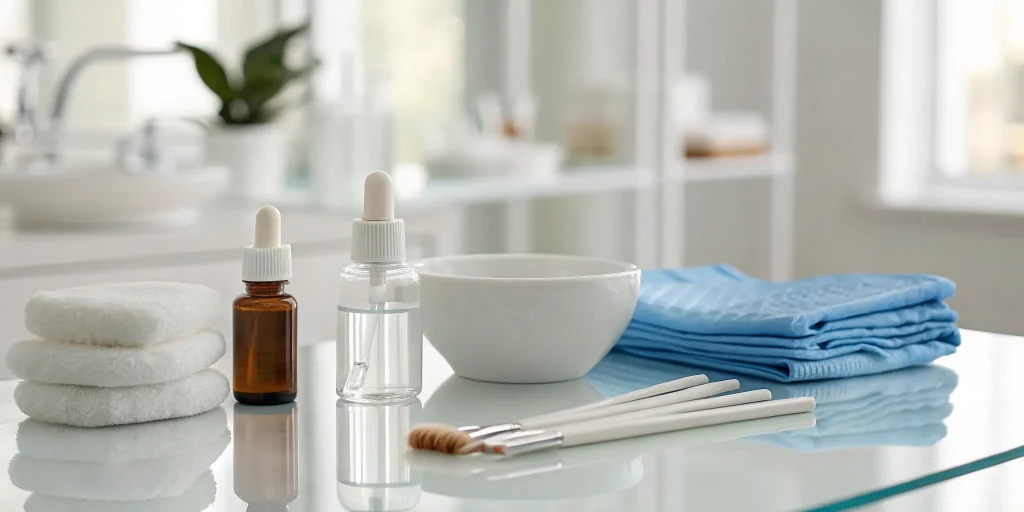
When you’re thinking about a chemical peel, two questions probably come to mind: “Will it give me the skin I want?” and “What’s the real cost?” While the answer to the first is almost always a resounding yes, understanding the chemical peel cost requires a new perspective. The days of paying a large, one-time fee are over. A more modern approach makes consistent skincare an affordable part of your lifestyle. Before you get sticker shock from typical chemical peel prices, let’s explore all the ways you can pay, from in-house financing to flexible memberships that make long-term results more accessible than ever.
Key Takeaways
- Peel strength sets the price: A chemical peel’s cost reflects its intensity. Light peels are an affordable refresh, while medium and deep peels are a larger investment because they use stronger formulas to deliver more dramatic results for concerns like wrinkles or sun damage.
- Budget beyond the peel itself: The final cost includes more than just the treatment. Remember to account for the initial consultation, essential aftercare products like a gentle cleanser and sunscreen, and any follow-up appointments to understand your full investment.
- Prioritize expertise and explore payment options: Choosing a qualified provider is the best investment for your safety and results. To make treatments fit your budget, ask about payment plans, package deals, or memberships that offer better long-term value than paying per visit.
What Is a Medical Chemical Peel?
Think of a medical chemical peel as a powerful reset for your complexion. It’s a professional skin treatment that uses a specialized chemical solution to gently remove the outermost layers of dead or damaged skin. By exfoliating on a deeper level than you can achieve at home, this process encourages your body to produce fresh, new skin cells. The result is a smoother, brighter, and more even-toned appearance. This isn’t just about getting a temporary glow; it’s about stimulating a natural renewal process that improves your skin’s health from the inside out.
This isn’t your average face mask. A medical-grade peel is a non-surgical procedure performed by a licensed professional who understands skin science. They can tailor the treatment to your specific needs, whether you’re looking to soften fine lines, clear up breakouts, or simply restore a healthy glow. It’s one of the most effective ways to address a wide range of concerns and reveal the healthier-looking skin that’s been waiting underneath. Unlike scrubs or at-home exfoliants that only work on the surface, a professional peel penetrates more deeply to create more noticeable and lasting change. By clearing away the old, you make way for a revitalized and more youthful complexion.
Light, Medium, and Deep Peels: What’s the Difference?
Chemical peels aren’t a one-size-fits-all solution. They come in various strengths, and the right one for you depends entirely on your skin type and goals. Your provider will help you choose, but it’s great to know the basics.
- Light or Superficial Peels: These are the gentlest options, often using alpha-hydroxy acids (AHAs) or beta-hydroxy acids (BHAs). They work on the very top layer of skin to address issues like dryness, fine lines, and minor discoloration. You can think of this as a refreshing pick-me-up for your skin with minimal downtime.
- Medium Peels: Going a bit deeper, medium peels typically use trichloroacetic acid (TCA). They are excellent for treating more noticeable concerns like moderate wrinkles, acne scars, and uneven skin tone.
- Deep Peels: These are the most intensive peels, reserved for significant skin concerns like deep-set wrinkles or severe scarring. They use stronger chemicals and require more recovery time, but the results can be dramatic.
Light Peels
Light peels are the perfect entry point into the world of chemical exfoliation. Often called “superficial” or “lunchtime” peels, they are the gentlest option available. These treatments use mild acids like alpha-hydroxy acids (AHAs) or beta-hydroxy acids (BHAs) to work on the very top layer of your skin. Think of it as a way to gently nudge your skin’s renewal process, helping to address concerns like minor dryness, fine lines, and subtle discoloration. Because they are so gentle, there’s typically no real downtime—you might have a little redness for a few hours, but you can get right back to your day. They are a fantastic way to maintain a healthy glow and are often performed in a series to achieve the best results, making them a great fit for a consistent skincare routine.
Medium Peels
When you need to address more specific and noticeable skin concerns, a medium peel is an excellent choice. These peels go a bit deeper than their lighter counterparts, typically using trichloroacetic acid (TCA) to penetrate the outer and middle layers of skin. This makes them highly effective for treating moderate wrinkles, more significant sun damage, uneven skin tone, and even some types of acne scars. The trade-off for these more impressive results is a bit more downtime. You can expect your skin to peel for several days, so it’s best to plan for about a week of social downtime as your fresh, new skin reveals itself. It’s a more significant investment in both time and cost, but the smoother, clearer complexion is well worth it.
Deep Peels
Deep peels are the most intensive and transformative option, reserved for significant skin concerns that haven’t responded to other treatments. These powerful peels use stronger chemicals, like phenol, to penetrate deep into the middle layer of skin. They are designed to address major issues like deep-set wrinkles, extensive sun damage, and severe scarring. Because of their intensity, deep peels are a serious medical procedure that requires significant recovery time—often several weeks. The results can be truly dramatic, effectively turning back the clock on your skin. However, this treatment isn’t for everyone and requires a thorough consultation with a highly qualified provider to ensure you are a suitable candidate and fully understand the recovery process.
What Can a Professional Peel Do for You?
So, what kind of magic can you expect from a professional peel? This treatment is a workhorse, capable of addressing many of the most common skin complaints. A series of peels can deliver significant improvements in skin texture and tone, helping you feel more confident in your complexion.
A professional peel can help:
- Soften fine lines and wrinkles, especially around the eyes and mouth.
- Reduce the appearance of acne and clogged pores.
- Fade dark spots, sun damage, and other forms of hyperpigmentation.
- Minimize the look of scars, including acne scarring.
- Improve overall skin texture for a smoother, more refined feel.
- Revive dull, tired skin and restore a radiant glow.
The key to lasting results is consistency and proper aftercare. A peel gives your skin a fresh start, and following up with a great skincare routine helps maintain that beautiful outcome.
Common Peel Formulations and Brands
When you hear names like “VI Peel” or “Jessner Peel,” it’s helpful to think of them as specific recipes crafted by skincare experts. Just as a chef has different recipes for different occasions, an aesthetician has a variety of peel formulations to choose from. Each one uses a unique blend of chemical agents designed to work together to achieve a particular result. These branded peels have become popular because they offer predictable, reliable outcomes. Your provider will select the perfect formulation based on your skin’s needs, ensuring your treatment is as effective as possible.
The VI Peel
The VI Peel is a favorite in the skincare world for a reason. It’s a medium-strength peel that packs a punch without requiring a ton of downtime. Its power comes from a synergistic blend of ingredients, including TCA, retinoic acid, salicylic acid, and vitamin C. This combination makes it incredibly versatile, allowing it to improve skin tone, texture, and clarity all at once. One of the biggest benefits is that the VI Peel is considered safe for all skin types and tones, which isn’t true for all peels. You can expect to see peeling for a few days, but the final, glowing results are typically visible in about a week, making it a fantastic choice for a significant refresh.
Jessner, Mandelic, and Other Peels
Beyond the VI Peel, your provider has a whole toolkit of other effective formulations. The Jessner peel, for example, is a classic formula that typically contains salicylic acid, lactic acid, and resorcinol. It’s a go-to for tackling oily, acne-prone skin and can be layered to increase its intensity. For those with more sensitive skin, a mandelic acid peel might be the perfect fit. As a gentler alpha-hydroxy acid (AHA), it exfoliates without causing significant irritation, making it ideal for first-timers or those with conditions like rosacea. These are just a couple of examples—the key is that there are numerous options available, allowing for a truly customized treatment plan.
Can Peels Be Used on the Body?
Yes, you absolutely can! Chemical peels aren’t just for your face. Many people see fantastic results from using peels on other areas of the body, like the neck, chest, back, and hands. The skin on your body is thicker than the skin on your face, so body peels are formulated with stronger concentrations to be effective. They are an excellent solution for addressing concerns like body acne (goodbye, “bacne”), rough or bumpy texture, sun spots on the hands or chest, and even helping to soften the appearance of scars and stretch marks. It’s a wonderful way to ensure your skin looks smooth and even from head to toe.
Who Is a Good Candidate for a Chemical Peel?
Honestly, almost anyone who wants to improve their skin’s overall health and appearance is a good candidate for a chemical peel. The beauty of this treatment is its versatility. If you’re a busy professional with mild skin concerns, a light, superficial peel can give you that perfect “glow-up” with virtually no downtime. If you’re ready to address more significant issues like sun damage, stubborn pigmentation, or deeper lines, a medium-depth peel could be the transformative treatment you’re looking for. The best way to know for sure is to have a conversation with a licensed provider who can assess your skin and recommend the perfect peel to help you reach your goals safely and effectively.
How Much Does a Medical Chemical Peel Cost?
Let’s talk numbers. When you’re investing in your skin, you want to know exactly what to expect financially. The cost of a medical chemical peel isn’t one-size-fits-all; it really depends on the strength and depth of the treatment you choose. Think of it like a spectrum: on one end, you have light, refreshing peels, and on the other, you have deep, transformative treatments. Naturally, the price will reflect the intensity of the peel and the results you’re aiming for.
The main factor driving the price is the type of peel you get: light, medium, or deep. Each one uses different chemical solutions and targets different layers of your skin, so the cost, downtime, and results vary quite a bit. The prices I’m sharing here are general estimates to give you a starting point. Keep in mind that your provider’s experience and your geographic location can also influence the final cost, but this breakdown will give you a solid idea of what to budget for each level of treatment.
Average Cost of a Light Peel
A light chemical peel is the most accessible option and a fantastic entry point if you’re new to peels. These are often called “lunchtime peels” because they require minimal to no downtime. They gently exfoliate the outermost layer of your skin, helping with minor concerns like dullness, rough texture, and faint discoloration. For this type of refreshing treatment, you can generally expect the price to be between $100 and $300. According to general healthcare financing guides, the average cost for a light peel is around $250, making it an affordable way to maintain a healthy glow and give your skin a quick pick-me-up between more intensive treatments.
Average Cost of a Medium Peel
If you’re looking for more noticeable results, a medium chemical peel is your next step up. This treatment goes deeper than a light peel to address more persistent skin concerns like fine lines, wrinkles, moderate sun damage, and even some acne scars. These peels often use stronger acids, such as Trichloroacetic Acid (TCA), to achieve more significant renewal. Because this is a more intensive procedure, the price is higher. You can expect a medium peel to cost anywhere from $300 to $600, though some can go higher. The investment reflects the peel’s ability to deliver more dramatic improvements to your skin’s tone and texture.
Average Cost of a Deep Peel
A deep chemical peel is the most powerful and transformative option available. This is a serious medical procedure designed to address major skin concerns, including deep-set wrinkles, significant sun damage, and even some pre-cancerous growths. These peels use a potent ingredient like phenol and require considerable expertise to perform safely. As a result, they come with the highest price tag, typically ranging from $1,000 to $3,000 or more. While it’s a significant investment, a deep peel delivers dramatic and long-lasting results. It’s often a one-time treatment, so the cost reflects a major, long-term improvement in your skin’s health and appearance.
What Factors Influence Chemical Peel Prices?
When you start researching chemical peel costs, you’ll quickly notice there isn’t one single price. The cost can range from a couple of hundred dollars to several thousand, and that variation comes down to a few key factors. Think of it like getting a custom suit versus buying off the rack; the final price depends on the materials, the tailor’s skill, and how much customization you need.
The same logic applies to your skin. The price of a chemical peel is influenced by the provider’s training, the clinic’s location, and the specific type of peel you’re getting. According to the American Society of Plastic Surgeons, the final bill reflects the provider’s expertise, the complexity of the procedure, and even the city where the clinic is located. Understanding these elements will help you see exactly what you’re paying for and why it’s worth investing in a high-quality treatment.
How Provider Expertise Affects Cost
Who performs your peel is one of the biggest factors in its cost. A treatment from a board-certified dermatologist or a highly experienced medical esthetician at a reputable med spa will naturally cost more than one from a less-qualified provider. You’re not just paying for the chemical solution; you’re paying for their years of training, deep understanding of skin anatomy, and ability to safely administer a powerful treatment. An expert knows how to customize the peel for your specific skin type and concerns, minimizing risks and ensuring you get the beautiful results you’re looking for. This expertise is an investment in your skin’s health and safety.
Does Your Location Change the Price?
Just like the cost of housing or a cup of coffee, the price of a chemical peel can change dramatically depending on where you live. A clinic in a major metropolitan area with a high cost of living will have higher overhead expenses (like rent and staff salaries) than a clinic in a smaller town. For example, a CareCredit report shows that a light chemical peel can cost nearly twice as much in a high-cost state compared to a more affordable one. This geographic pricing difference is standard across the aesthetics industry, so be sure to research what’s typical for your specific area.
How Peel Type and Depth Affect the Cost
Not all chemical peels are created equal. The strength and depth of the peel are directly tied to its price.
- Light Peels: Often called “lunchtime peels,” these use mild acids like glycolic or salicylic acid to gently exfoliate the outermost layer of skin. They require no downtime and are the most affordable option.
- Medium Peels: These peels penetrate deeper into the skin to target issues like fine lines, wrinkles, and uneven pigmentation. They involve stronger acids and require a few days of recovery.
- Deep Peels: These are the most intensive and expensive peels, using powerful ingredients like phenol to address significant sun damage, deep wrinkles, and scars. They offer dramatic results but require significant downtime and are performed by a physician.
Why Clinic Quality Matters for Pricing
The overall quality and reputation of the clinic also play a role in pricing. A premier medical spa that invests in state-of-the-art technology, maintains rigorous safety and hygiene standards, and provides a comfortable, professional environment will have costs that reflect that level of quality. These clinics often provide comprehensive care that includes a thorough initial consultation and post-treatment support, ensuring you feel guided and cared for every step of the way. While a higher price might reflect a premium environment, it also often signals a commitment to excellent patient outcomes and a superior standard of care.
Treatment Area Size
While we often think of chemical peels for the face, they can be just as effective on other parts of the body, like the chest, back, and hands, to address concerns like sun damage or acne. The size of the area you want to treat plays a direct role in the overall cost. As a general rule, the larger the surface, the higher the price. This is because treating a larger area requires more of the chemical solution and more of your provider’s time and attention to apply it safely and evenly. So, a peel to clear up breakouts on your back will naturally be a bigger investment than one focused on your face. If you’re considering treating multiple spots, it’s worth asking about package pricing or membership options, which can make comprehensive care more affordable than paying for each area separately.
Are There Hidden Costs to Consider?
When you see a price for a chemical peel, it’s easy to think that’s the final number. But the treatment itself is often just one piece of the puzzle. To get the best results and ensure your skin heals beautifully, you’ll need to account for a few other potential expenses. Think of it like budgeting for a vacation; you have the flight and hotel, but you also need to plan for meals and activities. From the initial chat with your provider to the special products you’ll need for aftercare, these additional costs are important to factor into your total investment. Let’s break down what those might be so you can go into your treatment with a clear financial picture.
Is the Initial Consultation Free?
Before you can even book your peel, you’ll start with a consultation. Many reputable clinics charge a fee for this initial appointment, where an expert assesses your skin and recommends the right treatment plan. Sometimes, this fee is applied as a credit toward your procedure if you decide to move forward, but that’s not always the case. The chemical peel cost can vary widely based on the provider’s experience and the clinic’s location, so this consultation is your chance to get a precise quote. Be sure to ask if the consultation fee is separate or if it will be deducted from your final bill.
The Cost of Pre-Peel Skin Prep
Getting your skin ready for a peel is a crucial step for achieving amazing results and minimizing side effects. Your provider will likely give you a specific pre-treatment routine to follow for a week or two. This often involves switching to gentle cleansers, keeping your skin extra hydrated, and being diligent with sunscreen. If your current skincare lineup doesn’t include these types of products, you’ll need to purchase them. A good procedure guide will always emphasize this prep phase. Think of it as setting the stage for your skin’s big reveal; the small investment in the right prep products pays off in your final results.
Budgeting for Post-Peel Aftercare
After your peel, your skin will be delicate and sensitive as it heals. Proper aftercare is non-negotiable for protecting your investment and ensuring a smooth recovery. You’ll need to avoid makeup for a few days and stay out of the sun. This means you’ll likely need to buy a few specific products, such as a very gentle cleanser, a rich, soothing moisturizer, and a high-SPF, broad-spectrum sunscreen. Your regular products might be too harsh during this healing phase. Letting your skin peel naturally without picking or scratching is key, and having the right calming products on hand will make the process much more comfortable.
Are Follow-Up Visits Included?
Depending on the depth of your chemical peel, your provider may want to see you for one or more follow-up appointments. These visits are important for monitoring your healing process and making sure everything is on track. While some clinics include these check-ins as part of the initial treatment package, others may charge for them separately. It’s always a good idea to ask your provider about all the potential costs involved before you commit to the procedure. Clarifying whether follow-up visits are included in the price will help you avoid any surprise bills and ensure you have a complete understanding of your total investment from start to finish.
Will Insurance Cover My Chemical Peel?
It’s one of the first questions many of us have when considering a professional treatment: will my insurance help with the cost? When it comes to chemical peels, the answer isn’t always straightforward. It almost always comes down to one key distinction: whether the treatment is considered cosmetic or medically necessary. Let’s break down what that means for you and your wallet.
When Insurance Might Cover Your Peel
In most cases, insurance will not cover a chemical peel. This is because peels performed to improve skin texture, reduce fine lines, or correct sun damage are considered cosmetic procedures. From an insurer’s perspective, these treatments enhance your appearance rather than treat a medical condition.
Generally, health insurance plans do not cover services that aren’t deemed medically necessary. In very rare instances, a peel might be covered if it’s used to treat pre-cancerous growths or other specific medical diagnoses. The best first step is always to call your insurance provider directly to ask about your specific plan and its coverage rules before booking your appointment.
Can You Use an HSA or FSA for a Chemical Peel?
Even if your insurance doesn’t cover the peel, you might have another great option for payment: a Health Savings Account (HSA) or Flexible Spending Account (FSA). If you have one of these accounts through your employer or health plan, you can use those pre-tax dollars to pay for eligible medical expenses, which often includes chemical peels.
Using an HSA or FSA is a smart way to make your treatment more affordable. Flexible financing options are designed to make advanced aesthetic care accessible, and paying with pre-tax funds is a fantastic way to manage the cost. Check with your account administrator to confirm that chemical peels are a qualified expense.
How Can You Pay for a Chemical Peel?
A medical-grade chemical peel is a powerful investment in your skin’s health, but the price tag can feel a little intimidating at first. The good news is you don’t have to pay for it all at once. Most modern med spas understand that flexibility is key and offer several ways to make treatments more accessible. Since the best results often come from a series of peels, thinking about payment as part of a long-term plan makes a lot of sense. Instead of one lump sum, you can often find an option that fits your monthly budget, whether it’s through a payment plan, a special credit card, or a membership that bundles your favorite services. Let’s walk through the most common ways you can pay for your peel so you can focus on the glow-up, not the bill.
Ask About In-House Payment Plans
Many clinics offer their own financing options to help you manage the cost of treatment. These in-house plans allow you to break down the total price into smaller, more manageable monthly payments. It’s a straightforward way to budget for your peel without needing to go through an outside bank or credit company. You can work directly with the clinic to find a payment schedule that aligns with your financial comfort zone. This approach makes it easier to commit to a full treatment series, ensuring you get the best possible results without the stress of a large upfront expense. It’s always worth asking about these plans during your consultation.
Using Healthcare Credit Cards
Another popular option is using a healthcare credit card, like CareCredit. Many medical spas accept these cards, which are designed specifically for health and wellness expenses. If you’re eligible, you can get approved for a line of credit that allows you to pay for your chemical peel right away. You then make monthly payments to the credit card company over time. The big advantage here is that these cards often come with promotional financing offers, such as 0% interest for a set period. This gives you the flexibility to start your treatment immediately while spreading out the cost in a structured, predictable way.
Saving Money with Memberships or Packages
If you plan on making professional skincare a regular part of your routine, a membership can be the most cost-effective route. Instead of paying for each service individually, you pay a flat monthly fee. For example, enrolling in a VIP membership gives you access to customized treatment plans and makes consistent care, including chemical peels, much more manageable. This model is perfect for anyone who wants to maintain their results long-term, as it often includes exclusive offers and discounts on other services. Alternatively, many clinics offer package deals where you can purchase a series of peels upfront at a discounted rate, which is a great way to save money if you know you’ll need multiple sessions.
Understanding the Potential Risks and Side Effects
While a chemical peel is a safe and effective treatment when performed by a professional, it’s smart to be aware of the potential side effects. Knowing what to expect—both the common and the rare—empowers you to make an informed decision and helps you partner with your provider for the best possible outcome. Most side effects are a temporary and expected part of the skin’s healing and renewal process. Your provider will walk you through everything during your consultation, but having a baseline understanding will help you ask the right questions and feel confident in your treatment plan.
Common Side Effects
After a chemical peel, your skin is working hard to shed old layers and reveal the fresh, new skin underneath. During this process, it’s normal to experience some temporary reactions. The most common side effects include redness, a feeling of tightness, itching, and some swelling, similar to a sunburn. Depending on the depth of your peel, you may also see some blistering or scabbing as the old skin prepares to flake away. These effects are typically mild with light peels and more pronounced with medium peels, but they are a sign that the treatment is working. Proper aftercare is key to managing these symptoms and ensuring your skin heals beautifully.
Rare but Serious Risks
While uncommon, it’s important to know about the more serious risks. These can include changes in skin color, particularly for those with darker skin tones, which can result in patches that are lighter or darker than your natural complexion. In very rare cases, more serious problems like infections, scarring, or severe allergic reactions can occur. The most potent deep peels using phenol carry a remote risk of affecting heart, liver, or kidney function, which is why they are only performed by physicians in specific circumstances. This is why choosing a highly trained, licensed provider who conducts a thorough skin analysis and medical history review is the single most important step you can take to ensure your safety and achieve beautiful results.
Memberships vs. Paying Per Treatment: Which Is Better?
When you decide to invest in your skin with chemical peels, you’ll face a big question: should you pay for each treatment one by one, or join a membership program? Both paths can lead to great skin, but they work very differently for your budget and your long-term goals. The right choice depends on how you prefer to manage your self-care routine and finances.
Paying per visit is straightforward, but a membership can offer a more structured and often more affordable approach to consistent care. Let’s break down the pros and cons of each model so you can decide which one fits your lifestyle best.
The Pros and Cons of Paying Per Visit
The classic pay-per-visit model is simple: you book a peel, you pay for it, and you’re done. This approach offers flexibility, which is great if you’re just trying a peel for the first time or only need one for a specific event. However, the costs can add up quickly, especially if you want to maintain your results. For example, while light peels are more affordable, medium peels can cost thousands of dollars for a single session. If your goal is lasting skin transformation, paying this way for multiple treatments can become a significant and unpredictable expense.
Why a Monthly Membership Might Be for You
A monthly membership is designed for consistency, which is where the real magic happens for your skin. Instead of paying a large sum for a single treatment, you pay a flat monthly fee for ongoing care. This model encourages a proactive approach to skin health, turning it into a regular part of your wellness routine. At Novuskin, our memberships include customized treatment plans tailored to your specific goals. This means your provider can adjust your care over time for the best possible results. It also takes the guesswork out of budgeting for your skin, making high-end treatments feel much more accessible and manageable.
How to Calculate Your Long-Term Savings
When you look at the bigger picture, a membership is often the more cost-effective choice for anyone serious about skincare. The average cost of skin resurfacing procedures like chemical peels can be substantial. A single medium peel might cost as much as a full year’s membership that includes multiple peels, facials, and other perks. By joining a program, you spread the cost over time into predictable payments. This not only helps with budgeting but also typically gives you a better overall value, with access to a wider range of services and discounts on products that support your results at home.
The Total Investment: What to Expect Beyond the Price Tag
The price of the peel itself is just one part of the equation. To truly understand your investment, you need to look at the entire treatment journey, from the number of sessions you might need to the social downtime you should plan for. Thinking about these factors ahead of time ensures you have a smooth, positive experience and helps you budget for the complete process, not just a single appointment. Let’s walk through what you can realistically expect after your initial treatment.
What to Expect During the Treatment
Walking into your treatment room can feel a little nerve-wracking, but the process of a chemical peel is actually very straightforward and controlled. Your provider will start by thoroughly cleansing your skin to create a clean canvas, free of any makeup or oils. Next, they’ll apply a protective barrier, like a special jelly, to sensitive spots such as your eyebrows, nostrils, and the corners of your mouth. Once your skin is prepped, the chemical solution is carefully brushed onto the treatment area. A licensed professional will be with you every step of the way, ensuring the peel is applied evenly and monitoring your skin’s reaction. The entire process is precise and tailored to you, which is the benefit of getting a medical-grade treatment.
Sensation and Comfort
So, what does a chemical peel actually feel like? The sensation really depends on the strength of the peel you’re getting. For a light or superficial peel, most people describe a mild tingling or a warm, slightly stinging feeling for a few minutes after the solution is applied. According to a guide from CareCredit, this sensation typically lasts for about three to five minutes. Your provider will be right there with you, often using a fan to keep your skin cool and comfortable. For medium or deep peels, the sensation will be more intense, but your comfort is always the top priority. Once the peel is neutralized, the tingling subsides, and your skin might feel warm and look a bit red, similar to a mild sunburn.
How Many Sessions Will You Really Need?
A single chemical peel can give your skin a beautiful refresh, but for more significant and lasting changes, it’s often not a one-and-done deal. Think of it as a fitness plan for your skin; consistency is what creates transformative results. For instance, light peels are frequently performed as a series of treatments, often involving six to eight sessions spaced a few weeks apart to tackle concerns like fine lines or uneven tone. The exact number of peels you’ll need depends entirely on your skin goals, the condition of your skin, and the type of peel you’re getting. Your provider will create a personalized plan during your consultation so you know exactly what to expect.
Planning for Downtime and Recovery
Let’s talk about what happens after you leave the clinic. Downtime is a real and necessary part of the healing process. For all peels, you’ll need to be gentle with your skin for several days to a week. This means no makeup, staying out of the sun, and diligently applying sunscreen. Most importantly, you must let your skin peel naturally without picking or scratching. For a medium peel, you might want to clear your social calendar for about 7 to 14 days as your skin renews itself. Deeper peels require more significant recovery, sometimes two weeks or more before you feel ready to return to all your normal activities.
Light Peel Recovery
A light chemical peel is the most accessible option and a fantastic entry point if you’re new to peels. These are often called “lunchtime peels” because they require minimal to no downtime. After a light peel, you might experience some mild redness and dryness for a day or two, similar to a minor sunburn. You can typically return to your daily activities, including work, right away. The key is to be gentle with your skin, use a simple moisturizer, and be absolutely diligent about applying a broad-spectrum sunscreen. Your skin will be more sensitive to the sun, so protection is non-negotiable. This gentle exfoliation helps with minor concerns like dullness and rough texture, giving you a refreshed glow without disrupting your schedule.
Medium Peel Recovery
If you’re looking for more noticeable results, a medium chemical peel is your next step up. This treatment goes deeper, so you should plan for about a week of social downtime. For the first few days, your skin will likely feel tight and look red. Around day three or four, the peeling will begin as your skin sheds its old, damaged layers. It is crucial to let your skin peel on its own—no picking or scrubbing! Proper aftercare is essential for healing and achieving the best results. Keeping your skin moisturized and protected from the sun will help the new, smoother skin underneath reveal itself beautifully. This process addresses more persistent concerns like fine lines, moderate sun damage, and acne scars.
Deep Peel Recovery
A deep chemical peel is the most powerful and transformative option available, and its recovery period reflects that. This is a serious medical procedure that requires significant downtime, often two weeks or more. Immediately after the treatment, you can expect significant redness, swelling, and discomfort. Your provider will give you a detailed aftercare plan, which may include special ointments and specific cleansing instructions to prevent infection and support healing. The peeling will be more intense than with a medium peel. While the recovery is demanding, a deep peel can address major skin concerns like deep-set wrinkles and significant sun damage, delivering dramatic and long-lasting results that a single treatment of a lighter peel cannot achieve.
When Will You See Results?
Patience is key when it comes to seeing the full benefits of a chemical peel. While you’ll likely notice a brighter, smoother complexion within a week of a light or medium peel, the most impressive results unfold over time. As your skin produces new collagen and completes its healing cycle, you’ll see continued improvement. For medium peels, it can take anywhere from two to six months to reveal the final outcome. Understanding this timeline helps you appreciate the process as your skin gradually transforms, revealing a healthier, more radiant you. It’s a journey, but the destination is well worth the wait.
How to Choose the Right Provider for Your Budget
Finding the right provider for a chemical peel is about more than just comparing prices. It’s about making a smart investment in your skin’s health and your own confidence. While budget is definitely a factor, the cheapest option isn’t always the best one, especially when it comes to a medical-grade treatment. The key is to find a provider who offers excellent value, combining expertise, quality care, and transparent pricing.
Think of it like this: you’re not just paying for a product, you’re paying for the skill and experience of the person applying it. A qualified professional ensures your safety and helps you achieve the beautiful results you’re looking for. A great provider will work with you to find a treatment plan that fits your goals and your budget, whether that’s through package deals, payment plans, or a membership that makes ongoing care more affordable. Let’s walk through how to find that perfect balance.
Why You Shouldn’t Just Choose the Cheapest Option
When you’re looking for a deal, it can be tempting to go with the lowest price you find. But a chemical peel is a medical procedure that requires a deep understanding of skin anatomy and chemistry. The person performing your peel should be a licensed and experienced esthetician or medical professional. Their expertise is what keeps you safe and ensures you get the results you want without complications.
The cost of a chemical peel often reflects the provider’s skill level, the quality of the ingredients used, and the level of personalized care you receive. A less-experienced provider might offer a lower price, but you could be risking uneven results, irritation, or even scarring. Investing in a reputable clinic with a highly trained team means you’re paying for peace of mind and a predictable, beautiful outcome. Your skin is worth it.
How to Find the Best Value, Not Just the Best Price
Value isn’t just about the sticker price; it’s about what you get for your money. The total cost of a peel can vary widely, sometimes from a couple hundred to several thousand dollars, depending on the treatment’s depth and complexity. To find the best value, you need to understand what’s included in the price. Some clinics bundle everything together, while others might have separate fees for the consultation, the peel itself, and any necessary aftercare products.
When you see a price, find out if it covers everything. Does it include the initial consultation where your skin is assessed? What about the special cleansers or moisturizers you’ll need for post-peel care? Some deeper peels might even have associated facility fees. Understanding the full picture helps you compare your options accurately and avoid any surprise costs down the line. This way, you can confidently choose a provider that delivers fantastic results without breaking the bank.
Key Questions to Ask at Your Consultation
Your consultation is the perfect time to get all your questions answered, especially when it comes to cost. Don’t be shy about discussing your budget. A good provider will be transparent and help you understand all the financial aspects of your treatment plan. Being prepared with a few key questions will help you feel confident and in control.
Here are a few things you should always ask:
- Can you give me a complete breakdown of all the costs involved?
- Are there separate fees for the consultation or follow-up appointments?
- What post-treatment products will I need to buy?
- Do you offer any package deals or membership plans that could make this more affordable?
- What financing options are available?
Asking these questions upfront ensures there are no surprises later. It helps you find a provider who is not only skilled but also respects your budget.
Related Articles
- Chemical Peels Guide: Benefits, Treatments & FAQs | Novuskin
- Chemical Peel Treatments for Face & Body – Benefits, Cost | Novuskin
- Chemical Peels: 5 Little-Known Skin Benefits Revealed | Novuskin
Frequently Asked Questions
Will my skin actually peel off after the treatment? Yes, some peeling is a normal and expected part of the process, but it’s probably not as dramatic as you might be imagining. For light peels, you may just experience some light flaking similar to a sunburn. With medium peels, the peeling will be more noticeable. Think of it as your skin shedding its old, damaged outer layer to make way for the fresh, healthy skin underneath. This renewal process is exactly what you want, and having the right aftercare products will keep you comfortable as your skin heals.
How do I know which type of peel is right for my skin? You don’t have to figure this out on your own. The best peel for you depends on your specific skin concerns, your skin type, and your goals. This is why the initial consultation with a licensed professional is so important. During this meeting, an expert will analyze your skin and have a real conversation with you about what you want to achieve. Based on that, they will recommend the perfect treatment plan, whether it’s a light, medium, or deep peel, to get you the results you’re looking for.
Does a medical chemical peel hurt? The sensation you feel really depends on the strength of the peel. A light peel might feel a bit tingly or warm on your skin, but it’s generally very tolerable. A medium peel can feel more intense, often described as a stinging or burning sensation that lasts for a few minutes while the solution is on your skin. Your provider is there to ensure you are as comfortable as possible throughout the entire procedure. While it’s not a spa facial, the temporary discomfort is what leads to the significant, beautiful results.
How long will my results last? The longevity of your results is tied to the depth of the peel and how you care for your skin afterward. The glow from a light peel is more temporary, making it great for regular maintenance. The improvements from a medium peel, like smoother texture and faded dark spots, can last for many months. The key to making any result last is consistency. Protecting your new skin with daily sunscreen and following a great skincare routine will help you maintain that fresh, healthy look for as long as possible.
Is a membership really a better deal than paying for each peel separately? If you’re serious about achieving and maintaining your skin goals, a membership is often the smartest financial choice. Paying for each treatment individually can add up, especially since the best results come from a series of peels. A membership turns that unpredictable expense into a manageable monthly payment. This makes it easier to stay consistent with your treatments, which is essential for lasting transformation. It’s a more structured and affordable way to invest in your skin’s long-term health.


