


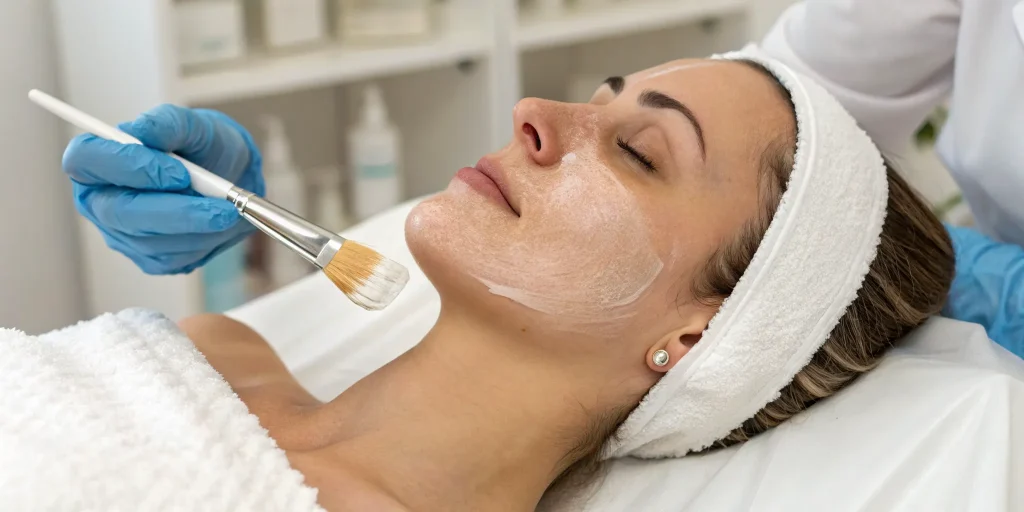
If you’ve ever wished for a total do-over for your skin, I get it. Lingering sun damage, old acne marks, and fine lines can leave your complexion looking dull and uneven. A professional skin resurfacing peel is one of the most effective ways to get that fresh start. At its core, this powerful resurfacing peel uses a specialized solution to gently clear away the outer, damaged layers of skin. This reveals the smoother, healthier skin hiding underneath and kickstarts your skin’s natural renewal cycle. We’ll walk through everything you need to know about these resurfacing peels—from the different types to what you can expect during recovery.
Key Takeaways
- A chemical peel is a professional skin reset: It uses a specialized solution to remove the damaged outer layers of skin, encouraging your body’s natural healing process to reveal a smoother, more even-toned complexion.
- The right peel is tailored to your specific goals: Treatments range from light peels for a quick refresh to deep peels for more significant correction. A professional consultation is essential to match the peel’s intensity to your unique skin concerns and desired results.
- Proper aftercare is critical for achieving the best results: Your skin is delicate after a peel, so following a gentle skincare routine is key. Diligent, daily sun protection is the most important step to protect your investment and prevent new damage.
What Is a Skin Resurfacing Peel?
If you’ve ever wished for a reset button for your skin, a chemical peel is one of the closest things to it. At its core, a
Think of it as a powerful, controlled form of exfoliation. The process intentionally triggers your skin’s natural regeneration cycle, prompting it to heal and rebuild. As the old skin peels away, new skin takes its place, often with improved tone and texture. This isn’t a harsh or stripping process; instead, it’s a carefully managed treatment designed to kickstart renewal and address specific concerns, from fine lines to stubborn dark spots. The goal is to work with your body’s own healing abilities to create a visibly refreshed and revitalized complexion.
How a Chemical Peel Renews Your Skin
A chemical peel is a versatile treatment that can address a wide range of common skin frustrations. By resurfacing the top layers of your skin, it helps clear away the damage that can make your complexion look dull or uneven. This process also sends a signal to the deeper layers of your skin to get to work producing new collagen, the protein responsible for keeping skin firm and smooth.
This renewal process can significantly improve concerns like acne and old acne scars, dark spots from sun damage or melasma, and fine lines. It’s also effective for reducing the appearance of large pores and creating a more uniform skin texture. Essentially, a chemical peel helps you shed the old, tired cells to make way for a brighter, clearer, and more youthful-looking you.
What’s Happening to Your Skin During a Peel?
The magic of a chemical peel lies in its ability to harness your skin’s natural healing powers. The chemical solution creates a controlled and predictable injury to the skin, which might sound intimidating, but it’s actually the key to its success. This prompts your body’s built-in repair mechanisms to kick into high gear. In response, your skin begins to produce new, healthy cells to replace the old ones that were removed.
The depth of the peel determines the extent of the results. Professionals categorize peels as light, medium, or deep, depending on how many layers of skin they affect. Factors like the type of acid used, its concentration, and how long it’s left on your skin all play a role in the outcome. A skilled provider will customize the treatment to ensure the skin regeneration process is perfectly tailored to your skin type and aesthetic goals.
Which Resurfacing Peel Is Your Perfect Match?
Chemical peels aren’t a one-size-fits-all treatment. Think of them as a spectrum, with options ranging from a gentle refresh to a complete skin reset. The right peel for you depends entirely on your skin goals, your specific concerns, and how much downtime you’re comfortable with. The primary difference between the types of peels is how deeply the chemical solution penetrates your skin. A more superficial peel offers subtle results with minimal recovery, while a deeper peel creates a more dramatic transformation but requires a longer healing period.
Understanding the three main categories of peels is the best way to start a conversation with your aesthetician about what you want to achieve. Are you looking for a quick glow-up before an event? Do you want to finally address stubborn sun spots or fine lines? Or are you ready for a significant change to correct deep-set wrinkles or scarring? Each level of peel is designed for a different purpose. By learning the basics of light, medium, and deep peels, you can walk into your consultation feeling confident and prepared to choose the perfect treatment plan for your unique skin. This knowledge empowers you to ask the right questions and set clear expectations for your results, ensuring you and your provider are perfectly aligned.
How a Specialist Determines the Right Peel for You
Choosing the right chemical peel is a team effort between you and your aesthetician. A professional consultation is the most important step in the entire process, as it ensures your treatment is both safe and perfectly suited to your needs. During this conversation, a specialist will do more than just look at your skin; they’ll discuss your primary concerns, what you hope to achieve, your lifestyle, and your skin’s history. This detailed assessment allows them to create a personalized treatment plan. They’ll consider everything from your skin’s natural tone to its sensitivity before recommending a specific peel. This isn’t about picking a product off a shelf—it’s about designing a solution that will deliver the best possible results for you.
Understanding Your Skin Type (Fitzpatrick Scale)
One of the first things a specialist will do is analyze your skin type, often using a system like the Fitzpatrick scale. This scale classifies skin based on how it reacts to sun exposure, which helps predict how it will respond to a chemical peel and the potential risk of side effects like hyperpigmentation. This step is crucial for safety and effectiveness. Beyond your skin type, your provider will also assess your specific concerns. Chemical peels are incredibly versatile and can help with a wide range of issues, including acne and acne scars, dark patches, sun damage, fine lines, and uneven texture. By understanding both your skin’s underlying characteristics and your aesthetic goals, a specialist can confidently select a peel that targets your concerns without compromising your skin’s health.
Considering Peel Strength and pH
Once your skin has been assessed, your provider will determine the appropriate peel strength. Peels are generally grouped by how deeply they penetrate the skin: light, medium, or deep. Light peels work on the outermost layer and are great for addressing minor dullness or texture issues with little to no downtime. Medium peels go slightly deeper to correct moderate sun spots, fine wrinkles, and shallow acne scars. Deep peels penetrate to the middle layer of the skin to address more significant wrinkles and scarring, but they also require a longer recovery period. A skilled provider will customize the treatment, balancing the peel’s strength and pH to create a controlled and effective renewal process tailored just for you.
Light Peels for a Subtle Refresh
If you’re new to chemical peels or just want to hit the refresh button on your skin without committing to a long recovery, a light peel is your perfect starting point. Often called “superficial peels,” these treatments work on the outermost layer of your skin, the epidermis. The solution gently exfoliates, helping to clear up concerns like minor dark spots, active acne, and a dull or uneven texture. Because they are so gentle, light peels are fantastic for regular maintenance. The recovery is quick, usually lasting just one to seven days, with minimal side effects like redness and light flaking that won’t disrupt your daily life.
Medium Peels for Noticeable Results
For those dealing with more persistent skin issues, a medium peel offers a more intensive solution. This treatment reaches beyond the surface into the upper part of your dermis, making it highly effective for addressing moderate sun damage, more pronounced dark spots, shallow acne scars, and fine wrinkles. A medium peel essentially removes old, damaged skin cells to reveal the healthier skin underneath. The healing process is more involved than a light peel, typically taking about seven to 14 days. You can expect more noticeable peeling and redness, which may linger for a few weeks, but the results are a significantly smoother and more even-toned complexion.
Deep Peels for Dramatic Transformation
A deep peel is the most powerful option available, designed to produce dramatic and long-lasting results. This intensive treatment penetrates the deeper layers of the skin to correct severe concerns, including deep wrinkles, significant sun damage, and prominent acne scars. Because of its strength, a deep peel is a one-time procedure that delivers a major transformation. The recovery is also the most extensive, requiring about two weeks for new skin to develop, with redness that can last for several months. This peel is a serious commitment, but for the right person, it can achieve incredible skin resurfacing that truly turns back the clock on skin damage.
What Skin Concerns Can a Resurfacing Peel Address?
One of the best things about chemical peels is their versatility. They aren’t a one-trick pony; instead, they can be tailored to address a whole range of common skin frustrations. By removing the outermost layers of the skin, a peel prompts your body’s natural healing process, revealing the healthier, more vibrant skin hiding underneath. Whether you’re dealing with the aftermath of breakouts or the first signs of aging, there’s a good chance a chemical peel can help you achieve your goals.
Reducing Acne and Acne Scars
If you’re struggling with active breakouts or the stubborn scars they leave behind, a chemical peel can be a powerful tool in your skincare arsenal. The chemical solution works by deeply exfoliating the skin and dissolving the debris that clogs pores and leads to pimples. As the top layer of skin sheds, it helps fade the discoloration and textural changes left by old breakouts. This process of revealing new skin cells is why chemical peels are so effective at creating a clearer, smoother complexion over time. It’s a way to hit the reset button on acne-prone skin.
Fading Sun Damage and Hyperpigmentation
Years of sun exposure can leave their mark in the form of dark spots, freckles, and an overall blotchy complexion. Chemical peels are fantastic for addressing this type of hyperpigmentation, including melasma. The peel lifts away the damaged, discolored cells on the surface, allowing fresh, evenly-toned skin to emerge. By speeding up your skin’s natural cell turnover rate, a peel can significantly lighten unwanted pigmentation and restore a more uniform glow. It’s an effective way to undo some of that sun-loving past and reveal a brighter, more balanced skin tone.
Softening Fine Lines and Wrinkles
For anyone concerned with the signs of aging, chemical peels offer a proven path to smoother, more youthful-looking skin. The treatment works on two levels: first, it removes the dull, outer layer of skin, which immediately softens the appearance of fine lines. Second, and more importantly, the process stimulates collagen production deep within the skin. Collagen is the protein that gives your skin its firmness and elasticity. By encouraging new collagen growth, a peel helps plump the skin from within, reducing the depth of wrinkles and creating a firmer foundation for the long term.
Smoothing Uneven Skin Tone and Texture
Sometimes your skin just feels a bit lackluster or rough to the touch. This can be caused by a buildup of dead skin cells that scatter light instead of reflecting it, leading to a dull appearance. A chemical peel effectively buffs away that buildup, smoothing out rough patches and refining your skin’s surface. The result is skin that not only feels softer but also looks more radiant and luminous. If you’re aiming for that healthy, even glow, a peel can help you get there by clearing away the old and making way for the new.
Beyond the Face: Body Peels and Other Uses
When we think about skin resurfacing, our minds usually jump straight to our faces. But skin concerns like sun damage, acne, and uneven texture don’t stop at the jawline. Chemical peels are incredibly effective for treating the skin on your neck, chest, back, arms, and even legs. At Novuskin, we believe in a comprehensive approach to skin health, which means giving the skin on your body the same expert attention as your face. Extending treatments like chemical peels to other areas helps you achieve smooth, clear skin all over, so you can feel confident from head to toe.
Treating Keratosis Pilaris (KP) and Body Acne
Many of us are familiar with those stubborn little bumps on the backs of our arms or thighs, a condition known as Keratosis Pilaris (KP), or “chicken skin.” Similarly, breakouts aren’t always limited to our faces; body acne on the back and chest is a common frustration. A body peel can be a game-changer for both. The specialized acids in the peel work to dissolve the buildup of keratin and dead skin cells that clog hair follicles and cause KP bumps. For acne, the peel exfoliates deeply to clear out pores and reduce inflammation. This process helps smooth rough texture and fade any lingering discoloration, leading to clearer, softer skin.
Addressing Freckles and Pre-Cancerous Growths
Years of enjoying the sun can leave behind more than just memories; they often result in freckles and sun spots on our chest, hands, and shoulders. A chemical peel can effectively target this sun-induced pigmentation by removing the damaged outer layers of skin, revealing a more even and radiant tone underneath. Beyond the cosmetic benefits, peels play an important role in skin health. They can be used to treat actinic keratoses, which are rough, scaly patches caused by sun exposure that are considered pre-cancerous. By removing these growths, a chemical peel serves as a proactive measure to maintain not just the beauty of your skin, but its long-term health as well.
Is a Chemical Peel Right for You?
Deciding if a treatment is the right move for your skin is a big step. While chemical peels offer incredible benefits for many, they aren’t a one-size-fits-all solution. Your skin type, concerns, and overall health all play a role in determining if a peel is the best path forward for you. The key is to understand who makes a great candidate and what factors might make it a no-go. A professional consultation is always the best way to get personalized advice, but here’s a general guide to help you see where you stand.
Are You a Good Candidate for a Peel?
You might be a perfect match for a chemical peel if you’re looking to address specific skin issues. Peels are highly effective for people dealing with acne, uneven pigmentation like melasma, and the visible effects of sun damage. They are also a go-to treatment for softening fine lines, wrinkles, and even reducing the appearance of some acne scars. If your goal is to achieve smoother, more radiant skin, a chemical peel could be an excellent step. A professional consultation will help confirm if this treatment aligns with your unique goals for skin resurfacing.
Health Checks: When to Skip a Peel
While peels are incredibly effective, they aren’t the right choice for everyone. Your safety is the top priority, so it’s important to be aware of a few health considerations. You should hold off on a peel if you have any active skin infections or open wounds in the treatment area. We also advise against them if you are pregnant or breastfeeding. If you have a darker skin tone, certain deeper peels carry a higher risk of discoloration, which your provider will discuss with you. Additionally, if you’ve taken the acne medication isotretinoin within the last six months, you’ll need to wait. A thorough consultation is the best way to ensure a chemical peel is a safe and effective option for you.
Active Skin Conditions and Infections
Timing is everything when it comes to a chemical peel. If your skin is already compromised by an active infection, like a cold sore outbreak, or has any open cuts or sores, it’s essential to wait. Applying a chemical solution to broken skin can worsen the issue, potentially spreading the infection or leading to complications like scarring and post-inflammatory hyperpigmentation. Think of it as giving your skin the space to heal from one thing before you ask it to begin another. This precaution is crucial to prevent further irritation and ensure your healing process is as smooth and predictable as possible.
History of Scarring or Poor Healing
How your skin has healed in the past is a strong indicator of how it will respond to a chemical peel. If you have a personal or family history of abnormal scarring, such as keloids (raised scars), you should approach peels with caution. Because a peel creates a controlled injury to stimulate renewal, it could trigger your body’s tendency to overproduce scar tissue. It’s also critical to tell your provider if you’ve taken the powerful acne medication isotretinoin (formerly known as Accutane) within the last six months. This medication can affect your skin’s healing ability, and it’s best to wait until its effects have fully subsided.
Certain Medical Conditions and Lifestyle Factors
Your overall health and daily habits play a significant role in whether a chemical peel is a good fit for you. Certain autoimmune diseases, like lupus or psoriasis, can impact how your skin heals and may make you more susceptible to complications. Lifestyle is just as important. If you have a job that requires you to be outdoors or you can’t commit to diligent sun protection after the treatment, you risk undoing your results and even causing new damage. A thorough and honest conversation with a professional is the best way to determine if a peel is appropriate for your specific circumstances.
Known Allergies
This might seem obvious, but it’s one of the most important safety checks. Chemical peels use specific ingredients, such as glycolic acid, salicylic acid, and trichloroacetic acid (TCA), to achieve their results. If you have a known allergy to any of these chemicals, you must inform your provider. For example, an allergy to aspirin can sometimes indicate a sensitivity to salicylic acid, which is in the same family. An allergic reaction during a peel can be severe and lead to significant complications. To ensure a safe treatment experience, being completely transparent about your allergies is non-negotiable.
Your Chemical Peel Appointment: What to Expect
Knowing what happens during a chemical peel can make the entire experience feel more comfortable and empowering. From the initial chat with your provider to the moment you walk out the door, every step is designed to ensure your safety and deliver the best possible results. Think of it as a well-planned process to reveal your best skin. We’ll walk through exactly what you can anticipate before, during, and after the peel solution is applied, so you can feel completely prepared for your treatment.
How to Prepare for Your Chemical Peel
Your journey starts with a thorough consultation where you’ll discuss your skin goals and health history with your provider. They will then recommend the right type of peel for you. To prepare, you might follow a special skincare routine for a few weeks, often including a retinoid cream to help with healing. It’s also crucial to avoid sun exposure and stop using any harsh exfoliants, waxes, or depilatory creams before your appointment. The most important step is to choose a qualified provider with extensive experience in chemical peels to ensure your treatment is both safe and effective.
Priming Your Skin Before the Peel
Getting the best results from your chemical peel starts long before you step into the treatment room. Think of it as preparing a canvas for a masterpiece. To ensure your skin heals beautifully, your provider may recommend a specific skincare routine for a few weeks leading up to your appointment. This often includes using a product with a retinoid, which can help speed up cell turnover and improve the peel’s effectiveness. Just as important is what you’ll need to stop doing. You’ll want to pause any harsh exfoliants, scrubs, waxing, or depilatory creams. And, of course, diligent sun protection is non-negotiable. Faithfully applying a broad-spectrum SPF will prevent any new damage and help your skin respond better to the treatment.
Pre-Treatment Medications and Adjustments
During your consultation, it’s essential to be completely open about your health history, including any medications and supplements you take. Some common medications, like blood thinners or even daily aspirin, can affect how your skin heals, so your provider may ask you to pause them for a short period. If you have a history of cold sores (herpes simplex virus), be sure to mention it. For medium or deep peels, your provider will likely prescribe an antiviral medication to take before and after your treatment to prevent a flare-up. This is a standard safety measure that ensures your healing process is smooth and complication-free. Being transparent allows your provider to create the safest and most effective plan for you.
Arranging for Your Comfort and Safety
Your peace of mind is a top priority, and a little planning goes a long way. The single most important step you can take is to choose a qualified provider with extensive experience in chemical peels. This ensures your treatment is not only effective but also performed with the highest safety standards. At Novuskin, all our treatments are handled by licensed medical providers who specialize in aesthetic procedures. Depending on the depth of your peel, you may also need to make a few practical arrangements. For deeper peels that might involve sedation, you will need to arrange for someone to drive you home. Planning for your downtime ahead of time will allow you to relax and focus on recovery without any added stress.
What Happens During the Peel? A Step-by-Step
When you arrive, your provider will start by thoroughly cleansing your skin and protecting sensitive areas like your eyes and hair. For a light peel, the solution is brushed on and left for a few minutes before being neutralized. A medium peel is similar but uses a stronger solution, causing your skin to turn a frosty white color as it works. Deep peels are more involved and done in segments to carefully manage exposure. Throughout the treatment, your provider will monitor your skin closely to ensure you are comfortable and safe.
Protecting Sensitive Areas
Before the peel solution even touches your skin, your provider will take careful steps to protect the most delicate parts of your face. Your hair will be pulled back, and your eyes will be shielded. Then, as an extra layer of defense, a barrier ointment like petroleum jelly is often applied to sensitive spots. This includes the corners of your nose, the edges of your lips, and the area around your eyes. This simple but crucial step ensures the chemical solution only works where it’s needed, preventing irritation in areas with thinner skin. It’s one of the many ways a professional ensures your treatment is both targeted and safe from start to finish.
Monitoring the Peel’s Depth (Frosting)
During a medium or deep peel, you might hear your provider mention “frosting.” This term describes the moment your skin turns a frosty white color after the solution is applied. While it might sound a bit strange, this is a completely normal and expected sign that the peel is working correctly. This whitening effect is a visual indicator that helps your provider gauge how deeply the peel is penetrating your skin. By carefully monitoring the frost, they can ensure the treatment reaches the precise depth needed to address your specific concerns, guaranteeing a controlled and effective outcome.
What Will It Feel Like? Managing Sensations
It’s completely normal to feel something while the peel is active. For light peels, most people describe a mild stinging that subsides quickly once the solution is neutralized. With medium peels, you can expect a more intense stinging or burning feeling for up to 20 minutes; your provider may use a fan to cool your skin to help. For deeper peels, pain management is part of the plan from the start, often including a local anesthetic to numb the area. Your comfort is a top priority, and your provider will take every step to manage any sensations you experience.
Chemical Peel Recovery: The Healing Process Explained
The work isn’t over once you leave the spa; the healing phase is where the real magic happens. Your skin is working hard to regenerate, and how you care for it during this time directly impacts your results. The recovery experience is different for everyone and depends entirely on the depth of your peel. Think of it as a spectrum: a light peel might feel like a mild sunburn, while a deep peel requires more dedicated downtime. Your provider will give you a detailed aftercare plan, and following it is the most important thing you can do to support your skin’s renewal.
Light Peel Recovery: What to Expect
If you’ve had a light peel, your recovery will be quick and straightforward. Expect your skin to look a bit red and feel dry or mildly irritated, similar to a slight sunburn. This typically lasts anywhere from one to seven days. The best part? There’s virtually no social downtime. Most people feel comfortable applying makeup the very next day and continuing with their usual routine. Just be sure to follow the specific post-peel care instructions from your provider, which will include gentle cleansing, moisturizing, and, of course, diligent sun protection to protect your fresh, new skin.
Medium Peel Recovery: What to Expect
A medium peel goes deeper, so the recovery process is a bit more involved. You’ll likely experience more noticeable redness and swelling, and you might feel a stinging sensation for the first day or two. Your skin will peel over the course of about a week. The full healing process takes around 7 to 14 days, though some faint redness can stick around for a few months. You’ll want to plan for some downtime, as you’ll need to hold off on makeup for at least five to seven days. Using cool compresses can help soothe any discomfort, and your provider will guide you on the best products to use as your skin heals.
Managing Discomfort and Scabbing
It’s completely normal to experience some discomfort, redness, and eventually, peeling or scabbing as your skin heals. The most important rule during this phase is to be gentle and let your skin set the pace. That means no picking, scratching, or trying to peel the skin off yourself, as tempting as it might be. Forcing the skin to shed before it’s ready can lead to scarring and interfere with your results. Instead, focus on following the aftercare plan your provider gave you. Using cool compresses can help soothe any stinging, and applying the recommended moisturizer will keep your skin hydrated. Remember, this is a temporary part of the healing process that leads to the beautiful, renewed skin you’re waiting for.
Deep Peel Recovery: What to Expect
A deep peel is the most intensive resurfacing treatment, and its recovery requires patience and care. Immediately after, you can expect significant redness, swelling, and a burning or throbbing sensation. Your provider will apply a protective dressing to the treated area and may recommend pain medication to keep you comfortable. For about two weeks, your aftercare will involve a routine of soaking the skin and applying a special ointment. New skin will begin to form during this time, but it’s normal for redness to persist for several months. This treatment requires true downtime, but the dramatic, long-lasting results are worth the commitment.
Intensive Aftercare and Pain Management
After a medium or deep peel, your aftercare becomes more hands-on, but it’s all about creating the perfect environment for your new skin to thrive. Your provider will give you a detailed aftercare plan, and following it is the most important thing you can do. This routine often involves gently soaking the skin and applying a special ointment to keep it hydrated and protected. When it comes to discomfort, your comfort is a top priority. Your provider will discuss a pain management strategy with you, which might include cool compresses, over-the-counter relievers, or prescription medication for deeper peels, ensuring your healing process is as smooth as possible.
Long-Term Skin Changes
While the initial peeling phase is what you see first, the most significant changes happen beneath the surface long after you’ve healed. A chemical peel works on two levels: it immediately removes the dull outer layer of skin, but more importantly, it kickstarts collagen production deep within the dermis. This new collagen acts as a support structure, plumping the skin from the inside out. Over the following weeks and months, you’ll notice your skin becoming firmer, the depth of wrinkles softening, and your overall complexion looking more resilient and youthful. This long-term renewal is what makes a chemical peel such a powerful investment in your skin’s future health and appearance.
How to Care for Your Skin Post-Peel
Think of your chemical peel as hitting the reset button for your skin. But what you do afterward is just as important as the treatment itself. Proper aftercare ensures you heal beautifully and get the absolute best results from your peel. Your skin will be delicate as it renews, so giving it the right support is key. Here’s your simple guide to caring for your skin post-peel.
Your Post-Peel Skincare Routine
Your new skincare routine is all about being gentle. For the first few days, wash your face with cool water and a mild, soap-free cleanser, then gently pat your skin dry. Your skin will likely feel tight, so applying a neutral, hydrating moisturizer is a must. We’ll recommend the perfect one to soothe and protect your skin. The most important rule is to let your skin shed on its own schedule. As tempting as it is, you must avoid picking or peeling at any flaking skin. This can lead to scarring or infection, so let your body do its thing.
Why Sunscreen Is Non-Negotiable After a Peel
After a peel, your fresh, new skin is incredibly sensitive to the sun. Think of sunscreen as your non-negotiable best friend during the healing process. Diligent sun protection is the single best way to prevent new hyperpigmentation and protect your beautiful results. Every single morning, apply a broad-spectrum sunscreen with an SPF of 30 or higher, even on cloudy days. For extra defense, wear a wide-brimmed hat and sunglasses when you’re outdoors. This simple step is vital for ensuring your skin heals evenly and stays healthy for the long run.
Products and Activities to Avoid Post-Peel
While your skin is healing, it’s time to press pause on your usual routine. Avoid any skincare products with active ingredients like retinoids, vitamin C, or exfoliants (both scrubs and acids). You should also skip strenuous workouts, saunas, and steam rooms for a few days, as excessive sweating and heat can cause irritation. It’s best to hold off on other facial treatments, including waxing or threading, until your provider gives you the green light. As for makeup, you’ll generally need to wait until the initial peeling phase is over, which could be a few days to two weeks, depending on your peel’s intensity.
Maintaining Your Results: Treatment Frequency
A chemical peel can give your skin an incredible reset, but maintaining that fresh, smooth look is a long-term commitment. The results aren’t permanent; the natural aging process and new sun damage will continue to affect your skin over time. To get the best initial outcome, you’ll likely need a series of treatments—often three to five peels spaced about six weeks apart. After that, a maintenance peel every few months is the key to keeping your skin looking its best. Having a consistent care plan makes it easy to stay on track. This approach allows you to incorporate regular maintenance treatments into your routine without the stress of one-time pricing, ensuring your results last.
Common Chemical Peel Myths vs. Reality
Chemical peels have been around for a long time, but that doesn’t stop the myths and misconceptions from circulating. It’s easy to feel a little hesitant when you hear the word “chemical,” but understanding the facts can help you see why this treatment is a favorite for achieving radiant, healthy skin. Let’s clear up some of the most common questions and separate the facts from fiction so you can feel confident about your skincare choices.
Are Chemical Peels Safe? The Real Answer
Let’s address the biggest concern first: safety. When performed by a licensed professional, chemical peels are a safe and effective way to resurface your skin. After a peel, it’s completely normal for your skin to show some redness, feel tight, or even have some temporary swelling and scabbing, especially after medium or deep peels. This is just a sign that your skin is healing and regenerating. While rarer side effects like scarring or changes in skin color can occur, they are uncommon, particularly when a skilled provider assesses your skin first. It’s important to note that people with darker skin tones may have a higher risk of pigmentation changes, which is why a thorough consultation is a non-negotiable first step.
What Results Can You Realistically Expect?
A chemical peel can feel like a magic eraser for skin concerns, but it’s important to have realistic expectations. The results are not permanent, because the natural aging process and sun exposure will continue to affect your skin over time. Think of a peel as a powerful reset button, not a one-and-done cure. A successful peel can dramatically improve the appearance of acne, acne scars, sun damage, fine lines, and dark spots. To maintain your glow, you’ll want to protect your skin from the sun and follow a consistent skincare routine. Many people find that a series of peels or periodic treatments delivers the best long-term results.
Understanding the Limitations of a Peel
While chemical peels are amazing for refreshing the skin’s surface, it’s just as important to understand what they can’t do. They work wonders on fine lines, sun spots, and uneven texture, but they have their limits. For instance, a peel won’t be able to remove very deep scars or wrinkles, and it can’t tighten skin that is sagging. For concerns like significant volume loss or skin laxity, other treatments such as dermal fillers or advanced laser therapies might be a better fit. Knowing these boundaries helps you set clear expectations and ensures you’re choosing the most effective path for your specific goals. A professional consultation is the best way to map out a plan that addresses all of your concerns, whether it’s with a peel or another targeted solution.
Who Really Gets Chemical Peels?
You might be surprised to learn who is booking chemical peel appointments. It’s not just for one type of person or skin concern. Men and women of all ages turn to peels to address a wide range of issues, from smoothing fine lines and correcting sun-damaged skin to clearing up acne scars. Peels are used for both cosmetic and therapeutic purposes and can even be used to remove certain pre-cancerous growths. Whether used on their own or combined with other treatments like lasers, skin resurfacing with a chemical peel is a versatile solution for anyone looking to improve their skin’s health and appearance.
Understanding the Risks and Side Effects
A chemical peel is a powerful treatment, so it’s smart to understand the full picture before you book an appointment. Knowing what to expect during the healing process helps you feel confident and prepared. While professional peels are overwhelmingly safe, your skin is undergoing a controlled renewal, and some temporary side effects are a normal part of that journey. The key is knowing the difference between a standard reaction and a sign that you should check in with your provider.
Let’s walk through what’s completely normal, what isn’t, and why having a trusted professional by your side makes all the difference. This knowledge empowers you to care for your skin properly after your treatment and ensures you get the beautiful, glowing results you’re looking for. Your provider will give you detailed aftercare instructions, but understanding the why behind them can make following them much easier. The goal is to feel excited about your results, not anxious about the healing process. By learning about the potential side effects ahead of time, you can relax and trust that your skin is doing exactly what it needs to do to reveal a brighter, smoother you.
What’s Normal? Expected Side Effects
After your peel, your skin will tell you it’s working. It’s common to experience some redness, tightness, and mild swelling for a few days, especially with medium or deep peels. Your skin is essentially getting ready to shed its old, damaged layer to reveal the fresh skin underneath. You might also see some flaking or scabbing as the healing progresses. These effects are temporary and a sign that the chemical solution is doing its job to stimulate cell turnover. Think of it as the final step before your big reveal.
Changes in Skin Color
While a major goal of a chemical peel is to create a more even skin tone, there is a small chance it can cause unintended changes in your skin color. Your skin might temporarily become darker (hyperpigmentation) or, less commonly, lighter (hypopigmentation). According to the Mayo Clinic, this is more likely to happen in people with brown or black skin tones. This is exactly why a thorough consultation with an experienced provider is so important. A professional will assess your skin type and history to select the right peel and minimize this risk, ensuring your path to a brighter complexion is a safe one.
Risk of Infection
After a peel, your skin’s natural barrier is temporarily compromised as it works to heal and renew itself. This creates a small window where an infection could occur. This might be a bacterial infection or even a flare-up of a virus you already carry, like the one that causes cold sores. The good news is that this risk is very low when you’re in good hands. A reputable provider operates in a sterile environment, and following your aftercare instructions—especially the rule about not picking at flaking skin—is your best defense. Proper care keeps your healing skin protected and on track for beautiful results.
Scarring and Other Complications
The thought of scarring can be scary, but it’s important to know that this is a very rare complication of chemical peels, particularly when performed correctly. Scarring is most likely to occur if the skin is not cared for properly during the healing phase. Picking at scabs or peeling skin before it’s ready to shed can damage the delicate new tissue underneath and lead to permanent marks. This is another reason why choosing a qualified, experienced provider is non-negotiable. They will ensure the peel is appropriate for your skin and give you clear instructions to help you heal beautifully and avoid any unwanted complications.
Risks Associated with Deep Peels
Deep peels are in a category of their own because they use a powerful chemical called phenol to achieve dramatic results. Because this acid is so strong, it can be absorbed by the body and has the potential to affect internal organs like the heart, kidneys, or liver. To manage this, medical professionals perform deep peels in a controlled setting, often treating the face in small, timed sections to limit your body’s exposure. This is a highly specialized procedure that should only ever be performed by a qualified doctor. It underscores the importance of seeking treatment from a trusted medical spa where your overall health and safety are the top priority.
Red Flags: When to Call Your Specialist
While some redness and peeling are expected, certain symptoms are not part of the standard healing process. If you experience significant swelling, intense burning or itching that doesn’t subside, or blisters, it’s time to call your provider. Deeper peels carry slightly more risk, and it’s important that your aesthetician knows your full skin history, as conditions like a tendency for thick scars (keloids) can affect your outcome. An open line of communication with your treatment provider is your best tool for a safe and effective recovery.
Why You Should Always See a Professional
This is one area of skincare where professional expertise is absolutely essential. A poorly performed peel can lead to serious complications, including infections or even permanent scarring. When you work with a qualified team of aestheticians and medical staff, you’re not just paying for the product; you’re investing in their skill, training, and ability to choose the right peel for your skin type. They know how to prep your skin correctly, apply the solution safely, and guide you through the aftercare process to ensure you heal beautifully and achieve stunning results.
Skin Resurfacing Peels vs. Other Treatments
When you’re looking to refresh your skin, it can feel like there are a million options out there. Chemical peels are a fantastic choice for skin resurfacing, but they’re not the only game in town. Understanding how they stack up against other popular treatments, like laser resurfacing and microdermabrasion, is key to picking the perfect path for your skin goals. Each one works a little differently and targets concerns in its own unique way. Let’s break down the main differences so you can feel confident in your decision.
Chemical Peel vs. Laser: Which Is Better for You?
Think of chemical peels and laser treatments as two different routes to the same destination: smoother, clearer skin. The main difference is in how they work. A chemical peel uses a specially formulated acid solution to dissolve and remove the outer layers of skin, encouraging fresh, new skin to grow. Laser resurfacing, on the other hand, uses focused beams of light to vaporize those top layers. Both are effective at improving skin texture, minimizing wrinkles, and correcting pigmentation, but the right choice often comes down to the specific issue you want to address and your provider’s recommendation.
Peels vs. Microdermabrasion
If you’re looking for a gentler touch, microdermabrasion might be on your radar. It’s a less invasive procedure that acts like a superfine sandblaster for your skin, using tiny crystals or a diamond-tipped wand to exfoliate the very top layer. While it’s great for a quick refresh to improve surface texture and tone with virtually no downtime, it doesn’t go as deep as a chemical peel. Peels can penetrate further to tackle more significant concerns like deeper wrinkles, acne scars, and stubborn pigmentation. Think of microdermabrasion as a light polish and a chemical peel as a more thorough refinishing.
Peels vs. Dermabrasion
Dermabrasion is another powerful option for skin resurfacing, but it works very differently from a chemical peel. Instead of using a solution, dermabrasion is a mechanical procedure where a specialist uses a rapidly rotating instrument to physically exfoliate the outer layers of skin. This method is typically more intensive and is often reserved for addressing deeper textural concerns, such as prominent acne scars, surgical scars, or deep wrinkles that may not respond as well to a peel. Because it’s a more aggressive treatment, the recovery time for dermabrasion is generally longer. Deciding between the two really comes down to your specific skin goals, and a professional consultation is the only way to know for sure which resurfacing path is right for you.
How to Choose the Best Treatment for Your Goals
So, how do you decide? The best treatment for you really depends on your unique skin, your primary concerns, and how much recovery time you’re comfortable with. A light peel might be perfect for brightening dull skin, while laser resurfacing could be better for more significant texture issues. The most important step is talking it through with a professional. A consultation with a qualified provider will help you determine the most suitable option based on a thorough assessment of your skin and a clear understanding of what you hope to achieve. They can guide you toward the treatment that will deliver the beautiful results you’re looking for.
Related Articles
- Chemical Peel vs. Microdermabrasion: Your Guide
- Chemical Peels: 5 Little-Known Skin Benefits Revealed | Novuskin
Frequently Asked Questions
Will a chemical peel hurt? Most people describe the sensation of a light peel as a mild, temporary stinging or tingling while the solution is on their skin. For medium peels, the feeling is more intense, like a noticeable stinging or burning, but your provider will use a fan to keep you comfortable. Deep peels are a more significant procedure where pain management is part of the plan. Your comfort is always our priority, and we will talk you through every step of the process.
How often should I get a chemical peel? The ideal frequency depends on the strength of the peel and your personal skin goals. Light peels are gentle enough to be done in a series, often every four to six weeks, to maintain a consistent glow. Medium peels are done less frequently, perhaps a few times a year, to address more specific concerns. A deep peel is a powerful, one-time treatment that you would not repeat. We will create a personalized treatment schedule that works best for you.
How long will my results from a chemical peel last? The longevity of your results is tied to the depth of the peel and how you care for your skin afterward. A light peel offers a beautiful refresh that can last for a month or two, while the improvements from a medium peel can last for several months. Because a deep peel fundamentally resurfaces the skin, its dramatic results can last for many years. In all cases, diligent sun protection and a consistent skincare routine are the best ways to preserve your new, healthy skin.
Can I get a chemical peel if I have sensitive skin? Yes, you absolutely can, but it requires a professional approach. A thorough consultation is essential so we can understand your skin’s specific triggers and sensitivities. For sensitive skin, we would likely start with a very gentle peel, such as one formulated with lactic acid, to gauge your skin’s reaction. It’s all about choosing the right type and concentration of acid to give you great results without causing unnecessary irritation.
What’s the difference between a professional peel and an at-home version? The primary differences are strength, safety, and customization. Professional peels use medical-grade ingredients at higher concentrations that are more effective and only available to licensed providers. An expert can properly assess your skin, select the perfect peel for your concerns, and apply it safely to avoid complications. At-home peels are much more superficial and lack the power of a professional treatment; they also carry a risk of irritation or uneven results if not used correctly.


