


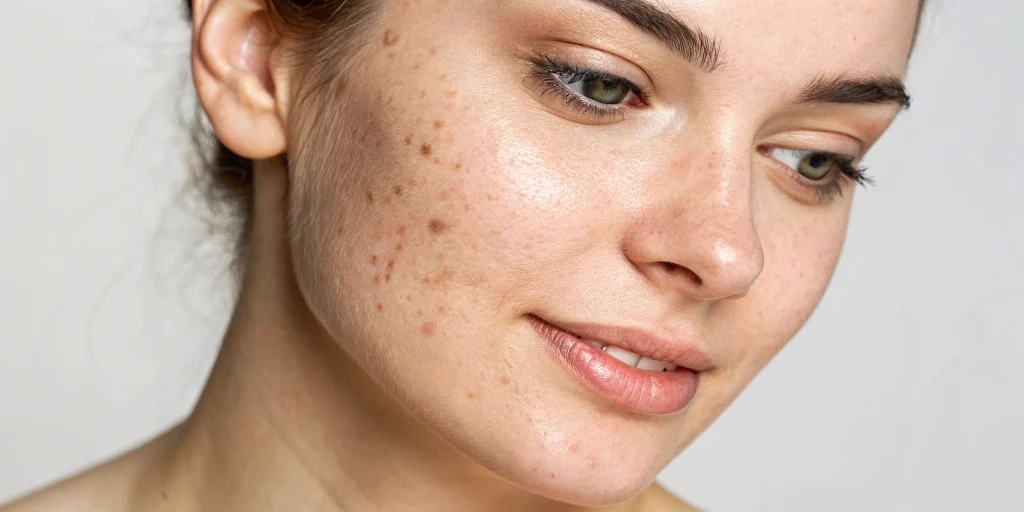
So, is hyaluronic acid good for acne? It’s a fair question. Fighting acne often feels like a two-front war: first the breakout, then the aftermath of redness and dryness. This is where hyaluronic acid for acne truly shines. It’s one of the few ingredients that tackles both problems. It soothes active inflammation while creating a hydrated environment for your skin to heal cleanly and quickly. This dual-action is what makes the hyaluronic acid before and after results so impressive, helping you achieve skin that’s not just clearer, but also smoother and more resilient.
Key Takeaways
- Use It for Support, Not as a Cure: Hyaluronic acid won’t clear breakouts on its own, but it’s a crucial supporting player. It provides oil-free hydration that calms inflammation and helps your skin better tolerate powerful acne-fighting ingredients like retinoids and salicylic acid.
- Apply to Damp Skin, Then Moisturize: To get the best results, always apply your HA serum to damp skin to pull in moisture, then immediately seal it with a moisturizer. This simple step prevents dehydration and ensures your skin gets the full plumping benefit.
- Read the Label Carefully: Opt for a lightweight, non-comedogenic, and fragrance-free serum to avoid clogging pores or causing irritation. A formula with multiple molecular weights is a huge plus, as it hydrates your skin at different depths for more comprehensive results.
So, What Exactly Is Hyaluronic Acid?
If you’ve spent any time exploring skincare, you’ve likely heard about hyaluronic acid (HA). But what is it, really? Think of it as your skin’s own natural moisturizer. Hyaluronic acid is a substance our bodies produce to keep our skin, eyes, and joints lubricated and cushioned. As we age, our natural production of HA slows down, which can contribute to dullness, fine lines, and a loss of that youthful plumpness. That’s where topical HA products come in to replenish what’s been lost.
In skincare, it’s celebrated for being a powerful humectant, which is just a fancy way of saying it draws moisture from the air and locks it into your skin. This amazing ability to retain water is why HA has become a go-to ingredient for anyone looking to achieve that dewy, hydrated glow. It’s not an acid in the way you might think of exfoliating acids like glycolic or salicylic acid. Instead of stripping the skin, its entire job is to add and maintain hydration, making it a gentle giant in the world of skincare. Whether your skin is dry and flaky or oily and congested, adding a dose of hydration is almost always a good idea. It helps balance oil production in oily skin and soothes dryness in dehydrated skin, making it a truly versatile player in any routine.
The Science Behind That ‘Plump’ Feeling
Here’s where things get really impressive. On a molecular level, hyaluronic acid is like a super sponge. A single molecule can hold up to 1,000 times its weight in water, which is why it’s so incredibly effective at hydrating your skin. When you apply it, it works in a couple of ways. First, it forms a breathable, moisturizing layer on the skin’s surface to prevent water from evaporating. At the same time, smaller HA molecules can penetrate deeper, delivering hydration that helps improve skin elasticity and plumpness from within. This process is key to strengthening your skin’s natural moisture barrier, which is your first line of defense against irritation and environmental stressors.
More Than Just a Skincare Ingredient
It’s easy to think of hyaluronic acid as just another ingredient cooked up in a lab, but the truth is, it’s a completely natural substance that our bodies already produce. It’s a gooey, slippery molecule found throughout our connective tissues, working quietly behind the scenes to keep everything running smoothly. This is why our skin tends to respond so well to it; we’re not introducing a foreign substance but rather replenishing something familiar. When we apply an HA serum, we’re giving our skin a dose of an ingredient it already recognizes and knows exactly how to use. This inherent compatibility is what makes it such a gentle yet effective hydrator for nearly every skin type, including sensitive and acne-prone skin.
Where It’s Found in the Body
Hyaluronic acid is a multitasking molecule that plays a vital role all over the body. You can find it in high concentrations in your eyes, where it helps maintain their shape and lubrication, and in your joints, where it acts as a shock absorber and allows for smooth, pain-free movement. Of course, its most famous role is in the skin. About half of your body’s total HA is located in your skin tissues, where its primary job is to bind to water, keeping your skin hydrated, flexible, and plump. This internal hydration system is what gives healthy skin its bounce and resilience. As we get older and our natural HA levels decline, we start to see that loss of moisture manifest as fine lines and dullness, which is why topical support becomes so important.
How It’s Made for Skincare
So if our bodies make it, where does the hyaluronic acid in our favorite serums come from? Today, the vast majority of HA used in skincare is created through a process of bacterial fermentation in a lab. Scientists use specific strains of bacteria that are known to produce HA naturally and allow them to ferment in a controlled environment. This method yields a very pure, stable, and vegan-friendly form of the ingredient. In the past, it was common to extract hyaluronic acid from animal sources, most notably rooster combs. While that method is still used occasionally, fermentation has become the industry standard because it allows for greater control over the molecule’s size and quality, ensuring you get a safe and effective product.
Where Does It Fit in Your Skincare Routine?
The best part about hyaluronic acid is that it plays well with almost everyone. It’s gentle enough for all skin types—from dry and sensitive to oily and acne-prone. You can easily incorporate it into both your morning and evening routines. A good rule of thumb is to apply it to damp skin right after cleansing to trap in all that moisture. If you’re using active acne treatments like salicylic acid or retinoids, applying an HA serum afterward can be a game-changer. It helps soothe the skin, reduce potential irritation, and provide a much-needed infusion of hydration that acne-fighting ingredients can sometimes strip away. Think of it as the supportive friend in your routine that helps every other product work better.
Is Hyaluronic Acid Actually Good for Acne?
If you’re dealing with breakouts, adding a hydrating ingredient to your routine might feel counterintuitive. But the answer is a resounding yes—hyaluronic acid can be a fantastic ally for acne-prone skin. While it doesn’t fight acne bacteria or unclog pores the way ingredients like salicylic acid or benzoyl peroxide do, it plays a critical supportive role that can make a huge difference in your skin’s overall health and appearance.
Think of it this way: many traditional acne treatments can be incredibly drying and irritating, leaving your skin feeling tight, flaky, and compromised. This is where hyaluronic acid steps in. It provides intense hydration without adding oil, soothes inflammation, and helps repair your skin’s natural barrier. A healthy, hydrated skin barrier is better equipped to heal itself, respond to treatments, and defend against irritants. By creating a balanced environment, hyaluronic acid helps your skin tolerate active acne treatments more effectively and heal blemishes faster, leading to a clearer, calmer complexion.
Who Benefits Most from Using It?
While nearly everyone can use hyaluronic acid, it’s a true game-changer for a few specific groups. If you’re using powerful acne treatments like retinoids, benzoyl peroxide, or salicylic acid, you’re the prime candidate. These ingredients are fantastic at clearing pores, but they can also be incredibly drying, leaving your skin feeling tight and irritated. Hyaluronic acid acts as the perfect counterbalance. It floods your skin with oil-free moisture, which not only soothes that irritation but also helps your skin tolerate those active ingredients more effectively. It’s also incredibly helpful for anyone dealing with the redness and post-acne marks left behind, as it calms inflammation and creates a hydrated environment for your skin to heal faster. Essentially, if your skin barrier is feeling stressed and compromised from fighting breakouts, HA is your go-to for restoring balance.
Get Hydration Without the Breakouts
One of the biggest challenges with acne-prone skin is finding a moisturizer that hydrates without causing more breakouts. This is hyaluronic acid’s time to shine. As a humectant, it draws moisture into the skin like a magnet, providing deep hydration without any of the heavy, greasy feel of traditional creams. Most importantly, it’s non-comedogenic, which means it won’t clog your pores. This is crucial because dehydrated skin can overcompensate by producing even more oil, creating a vicious cycle of dryness and breakouts. By giving your skin the pure, oil-free hydration it needs, you help balance oil production and keep your pores clear.
How It Calms Redness and Irritation
Acne isn’t just about pimples; it’s also about the angry redness and inflammation that comes with them. Hyaluronic acid has natural soothing properties that can help calm irritated skin. When your skin is inflamed, its protective barrier is often compromised. Hyaluronic acid helps reduce visible redness and swelling associated with breakouts, making your complexion look and feel more comfortable. By calming irritation, it helps create a better environment for your skin to heal and allows your other acne-fighting products to work without causing excessive sensitivity. This calming effect is a simple but powerful step toward achieving more even-toned skin.
Repairing Your Skin Barrier for Fewer Breakouts
Your skin barrier is your body’s first line of defense against environmental stressors like pollution and bacteria. For those with acne, this barrier is often weakened, both by the condition itself and by the harsh treatments used to manage it. A damaged barrier can’t hold onto moisture effectively and is more susceptible to irritation. Hyaluronic acid is essential for strengthening this protective barrier. By restoring hydration and reinforcing your skin’s defenses, it helps lock in moisture and keep irritants out. A strong, healthy barrier is fundamental for clear skin, as it reduces sensitivity and helps your skin function at its best.
Say Goodbye to Blemishes Faster
Have you ever noticed that dry, flaky skin seems to take forever to heal? That’s because a hydrated environment is optimal for skin repair. By keeping your skin properly moisturized, hyaluronic acid helps speed up the healing process for active blemishes. This can also make a big difference in minimizing the aftermath of a breakout. When pimples heal more efficiently, there’s less risk of developing post-inflammatory hyperpigmentation (those stubborn dark spots) or textural scarring. So, while it’s not zapping the pimple itself, it’s creating the perfect conditions for it to heal quickly and cleanly, leaving you with smoother skin.
What Research Says About Its Role in Acne Treatment
While you won’t find studies calling hyaluronic acid a direct acne cure, the research is clear on its value as a complementary treatment. Experts describe it as a powerful ‘support player’ in an acne-fighting routine. Its main job is to counteract the harsh, drying side effects of proven acne-fighters like retinoids and salicylic acid. By flooding the skin with oil-free hydration, it strengthens the skin barrier, calms inflammation, and reduces the redness and peeling that often come with potent treatments. This creates a healthier environment for the skin to heal, allowing blemishes to clear up faster and minimizing the chances of them leaving behind dark spots. In short, it helps your primary acne treatments work more effectively with less irritation.
Will Hyaluronic Acid Make My Acne Worse?
It’s a fair question. When you’re dealing with breakouts, the last thing you want to do is add something to your routine that makes things worse. The idea of putting a deeply hydrating ingredient on already troubled skin can feel counterintuitive, leading many to worry that hyaluronic acid might cause more congestion or breakouts.
The good news is that this fear is largely a misconception. Hyaluronic acid itself is rarely the problem. In fact, when used correctly, it can be a game-changer for calming and balancing acne-prone skin. The real issue often comes down to the specific product formula you’re using and how it fits with the rest of your skincare routine. Let’s clear up the confusion so you can feel confident about giving your skin the hydration it needs.
Fact vs. Fiction: The Breakout Rumors
Let’s get straight to the point: Pure hyaluronic acid will not make your acne worse. One of its most important qualities for breakout-prone skin is that it’s non-comedogenic, which is a technical way of saying it won’t clog your pores. Unlike heavy oils or creams that can trap debris and bacteria, hyaluronic acid is a humectant that draws water into the skin, providing lightweight hydration without adding any oil.
It’s helpful to remember that HA’s job isn’t to fight acne bacteria or reduce sebum production. Its primary role is to keep your skin hydrated and healthy. When your skin is properly hydrated, it’s better equipped to function correctly, which can indirectly help manage breakouts. Dehydrated skin often overcompensates by producing more oil, which can lead to more clogged pores.
Why Your Product Choice Matters
While hyaluronic acid gets a green light, the other ingredients in a product can sometimes be the source of the problem. Some serums or moisturizers pair HA with heavier oils, silicones, or fragrances that can irritate sensitive skin or clog pores. That’s why it’s so important to choose a well-formulated product that keeps the ingredient list simple and clean.
Hyaluronic acid is also an incredible team player. If you’re using powerful acne treatments like retinoids or benzoyl peroxide, you know they can leave your skin feeling dry, flaky, and irritated. Applying a hyaluronic acid serum can counteract that dryness, making those treatments more tolerable. This soothing effect helps maintain a strong skin barrier, which is your first line of defense against inflammation and bacteria. A healthy barrier means less redness and a calmer complexion overall.
How to Use Hyaluronic Acid for Acne-Prone Skin
Adding a new product to your routine can feel tricky, especially when you’re already using powerful acne-fighting ingredients. But incorporating hyaluronic acid is surprisingly simple and can make your other products work even better. The key is knowing exactly when and how to apply it to get that calm, hydrated skin you’re after.
Your Step-by-Step Application Guide
Think of your skincare routine in terms of layers. You want to apply your thinnest, most active products first and finish with your thickest, most protective ones. A good rule of thumb is to apply hyaluronic acid serum after your acne treatments (like a salicylic acid spot treatment or a retinoid) but before your moisturizer. This order allows the acne-fighting ingredients to get to work directly on your skin. Then, the hyaluronic acid swoops in to add a layer of hydration, and your moisturizer seals it all in. For best results, use a pea-sized amount for your entire face, gently patting it into the skin both morning and night.
How to Layer It with Your Acne Treatments
One of the best things about hyaluronic acid is that it’s a team player. It works beautifully with other common acne treatments because its main job is to hydrate and soothe, not exfoliate or fight bacteria. If you’re using ingredients like salicylic acid, benzoyl peroxide, or retinoids, you know they can sometimes leave your skin feeling dry, tight, or irritated. By layering hyaluronic acid into your routine, you can counteract that dryness. It helps keep your skin barrier healthy and resilient, making it easier for your skin to tolerate those stronger treatments without the frustrating side effects of redness and flaking.
Why You Should Always Apply It to Damp Skin
Here’s a simple tip that makes a huge difference: always apply hyaluronic acid to damp skin. Hyaluronic acid is a humectant, which means it acts like a tiny sponge, pulling moisture from its environment into your skin. If you apply it to a completely dry face, it might pull water from the deeper layers of your skin, which can actually make it feel drier. To avoid this, apply your HA serum right after cleansing while your skin is still slightly damp. You can also use a facial mist before application. This gives the hyaluronic acid immediate access to water, allowing it to plump and hydrate the surface of your skin effectively.
Hyaluronic Acid Before and After: What to Expect
When you add a new product to your routine, you want to know what’s going to happen and when. Hyaluronic acid is great because it delivers both immediate and long-term benefits. While everyone’s skin is different, here’s a general timeline of what you can expect when you start using it consistently to help with acne-prone skin. It’s all about giving your skin the hydration it needs to function at its best, which in turn helps it look clearer, smoother, and more resilient.
The Instant Glow: Short-Term Results
Think of hyaluronic acid as an immediate drink of water for your face. The first time you use it, especially on damp skin, you’ll likely notice a difference within minutes. Your skin should feel softer, more comfortable, and less tight. That dehydrated, papery feeling starts to fade, replaced by a subtle plumping effect that can make fine lines caused by dryness less obvious. This instant moisture infusion is what makes HA a favorite for so many people—it provides that quick, satisfying fix while setting the stage for more significant improvements down the road.
Your Timeline for Lasting Results
Patience and consistency are your best friends in skincare. After about a week of daily use, you’ll probably notice your skin looks fresher and more balanced. Any stubborn dry patches will begin to soften and disappear. By the two-to-four-week mark, the real magic starts to happen. Your skin will likely look visibly plumper and feel much smoother to the touch. This is because consistent hydration helps your skin barrier become stronger and more efficient. With a healthy barrier, your skin looks more even-toned and has that coveted healthy glow, making it a key part of any effective skincare routine.
Can It Help with Acne Scars and Texture?
One of the most frustrating parts of a breakout is what it leaves behind. Hyaluronic acid can help with the appearance of post-acne marks and uneven texture. By keeping your skin deeply hydrated, it creates the perfect environment for your skin’s natural healing processes to work efficiently. This can help reduce the dark spots and textural changes that pimples often leave in their wake. While it won’t magically erase deep scars, it can soften their appearance over time by plumping the surrounding skin. This makes it a fantastic supporting ingredient in a routine focused on achieving a smoother, more even complexion.
Are There Any Side Effects to Know About?
The great news is that hyaluronic acid is one of the most well-tolerated skincare ingredients out there. Since your body already produces it naturally, true allergic reactions are rare. However, like any active ingredient, it’s smart to know about potential responses so you can use it effectively and keep your skin happy.
Most issues that pop up aren’t from the hyaluronic acid itself, but from the product’s formula or how it’s applied. Understanding a few key details—like how to patch test, what to look for if you have sensitive skin, and even how the weather can affect your results—will ensure you get all the hydrating benefits without any of the guesswork.
Is Your Skin Reacting? Here’s What to Watch For
While hyaluronic acid is generally considered safe for every skin type, some people might notice mild irritation, especially when trying a new product. This can show up as slight redness, itching, or small bumps. More often than not, this reaction is caused by other ingredients in the formula, like preservatives, fragrances, or botanical extracts, rather than the HA itself.
To be safe, it’s always a good idea to perform a patch test before applying a new product to your entire face. Just dab a small amount on a discreet area, like your inner arm or behind your ear, and wait 24 hours. If you don’t see any signs of irritation, you’re likely good to go.
A Quick Guide for Sensitive Skin
If your skin is reactive or easily irritated, you can absolutely still use hyaluronic acid—you just need to be a little more strategic. Start by choosing a simple formula without a long list of additives. Look for products specifically labeled as “non-comedogenic,” which means they are formulated to not clog your pores, and make sure they are free from common irritants like fragrances and drying alcohols.
When you first introduce it into your routine, begin with a lower concentration and apply it just once a day to see how your skin responds. This gives your skin time to acclimate. As your skin gets used to it, you can gradually increase the frequency. Listening to your skin is key.
Does Humidity Change How It Works?
This is a fascinating and important aspect of using hyaluronic acid correctly. As a humectant, HA works by pulling moisture from its surroundings. In a humid environment, it draws water from the air, leaving your skin plump and dewy. However, in very dry conditions (like a heated room in winter or an arid climate), it can’t find moisture in the air. Instead, it may start pulling water from the deeper layers of your own skin. This can ironically lead to more dryness and tightness.
The fix is simple: always apply your hyaluronic acid serum to damp skin. Then, immediately lock it in with a good moisturizer. This gives the HA a direct source of water to hold onto and creates a protective barrier that prevents moisture from escaping.
Hyaluronic Acid vs. Your Other Acne Fighters
Think of your acne-fighting routine as a team. You have your star players—the powerful actives that target breakouts directly—but they can’t win the game alone. They need a solid support system to keep everything in balance. That’s where hyaluronic acid comes in. It’s not meant to replace your go-to acne treatments, but to work alongside them, making them more effective and your skin much happier in the process.
While ingredients like salicylic acid, retinoids, and benzoyl peroxide are fantastic for clearing pores and fighting bacteria, they often come with a not-so-great side effect: dryness and irritation. This can compromise your skin barrier, leading to more inflammation and sensitivity. Hyaluronic acid acts as the ultimate team player, swooping in to provide intense hydration and calm the skin. By keeping your skin barrier healthy and moisturized, it allows your active ingredients to do their job without causing a full-scale rebellion on your face. It’s the key to creating a routine that’s both powerful and gentle.
The Perfect Pair: Hyaluronic Acid and Salicylic Acid
Salicylic acid is a beta-hydroxy acid (BHA) that works wonders by dissolving the oil and dead skin cells that clog pores. It’s a true hero for oily and acne-prone skin, but its exfoliating action can sometimes leave your skin feeling tight and dry. This is where hyaluronic acid shines. It provides deep, oil-free hydration that perfectly counteracts the drying effects of salicylic acid. By keeping your skin hydrated, HA helps create an ideal environment for blemishes to heal properly, which can reduce the chances of them leaving behind stubborn dark marks and scars.
Calm Retinoid Irritation with Hyaluronic Acid
Retinoids are the gold standard for treating acne and signs of aging, thanks to their ability to speed up cell turnover. However, they are famous for causing an adjustment period known as “retinization,” which often involves redness, peeling, and irritation. Hyaluronic acid can be a game-changer for making retinoids more tolerable. Applying a hyaluronic acid serum after your retinoid can soothe the skin, replenish lost moisture, and minimize irritation. This simple step makes it much easier to stay consistent with your retinoid treatment, allowing you to get all the benefits with far less of the discomfort.
A Soothing Combination: Niacinamide and Hyaluronic Acid
If hyaluronic acid is the gentle hydrator, niacinamide is its multitasking partner in crime. Niacinamide is another all-star ingredient known for its ability to regulate oil production, reduce the appearance of pores, and calm inflammation. When you bring these two together, you create a beautifully balanced approach for acne-prone skin. Niacinamide works to control the excess sebum and redness associated with breakouts, while hyaluronic acid provides that crucial layer of oil-free moisture to keep your skin barrier happy and hydrated. This powerful duo works together to soothe inflammation and improve overall skin texture, ensuring your skin gets everything it needs to stay clear and calm without feeling stripped or dry.
Can You Use It with Benzoyl Peroxide?
Benzoyl peroxide is a potent ingredient that kills acne-causing bacteria deep within the pores. It’s incredibly effective, but it’s also known for being one of the most drying acne treatments available. If you’ve ever used it, you’re likely familiar with the flakiness and tightness it can cause. Pairing it with hyaluronic acid is a smart move. Using an HA serum or moisturizer after applying benzoyl peroxide helps restore the skin’s moisture levels and prevents it from becoming overly dry or irritated. This allows you to keep fighting bacteria without stripping your skin and damaging your protective barrier.
Beyond Products: Lifestyle Tips for Managing Acne
A solid skincare routine is your foundation for clear skin, but the small choices you make every day have a big impact, too. Think of your lifestyle habits as the support system for your products and treatments. When you take a holistic approach, you create the best possible environment for your skin to heal and thrive. These simple adjustments won’t replace your acne-fighting ingredients, but they can make a world of difference in managing breakouts and maintaining a healthy, balanced complexion. It’s all about working with your skin, not against it.
Gentle Cleansing Habits
When you’re dealing with a breakout, it’s tempting to want to scrub your face until it’s squeaky clean. But being too aggressive can actually make things worse. Harsh cleansers and vigorous scrubbing can strip your skin of its natural oils, damaging its protective barrier and often triggering it to produce even more oil to compensate. Instead, adopt a gentler approach. Wash your face just twice a day with a gentle, soap-free cleanser and lukewarm water. This simple habit helps keep your skin barrier intact, reduces irritation, and allows your other skincare products to work more effectively.
Hands Off: Why You Shouldn’t Pick
We’ve all been there—staring at a pimple in the mirror, convinced that one little squeeze will solve the problem. But picking at your skin is one of the fastest ways to turn a minor blemish into a major issue. Squeezing can push bacteria and inflammation deeper into the pore, increasing redness and swelling. Even worse, it can lead to permanent scarring and post-inflammatory hyperpigmentation, those stubborn dark spots that linger long after the pimple is gone. It takes a lot of self-control, but letting a blemish heal on its own is always the best strategy for preventing long-term damage.
The Role of Diet in Acne
The connection between what you eat and how your skin looks is complex and highly individual, but it’s worth paying attention to. While the science is still evolving, some studies suggest that high-glycemic foods (like sugary snacks and white bread) and dairy can be triggers for some people. Instead of making drastic changes, try keeping a food journal to see if you notice a pattern between certain foods and your breakouts. The goal isn’t a restrictive diet but a balanced one. Focusing on whole foods, healthy fats, and drinking plenty of water gives your skin the nutrients it needs to stay healthy from the inside out.
Ready for More? A Look at Professional Treatments
While your at-home hyaluronic acid serum is a fantastic daily hydrator, sometimes your skin needs a more powerful reset. If you’re dealing with persistent dehydration from acne treatments or the lingering texture from old breakouts, professional treatments can make a world of difference. Think of it as calling in the experts. At a medical spa, professionals use clinical-strength ingredients and advanced techniques to deliver results you simply can’t achieve on your own. These treatments are designed to work in harmony with your daily skincare, giving you a significant leg up in managing acne and its after-effects.
They go beyond surface-level care to address skin health at a deeper level. For acne-prone skin, this often means focusing on two key areas: restoring the skin’s moisture barrier and repairing textural damage. A super-hydrating medical-grade facial can drench your skin in high-potency hyaluronic acid, calming inflammation and giving it the resilience it needs to heal properly. For indented scars left behind by past blemishes, targeted hyaluronic acid fillers can physically lift and smooth the skin’s surface for a more even appearance. These professional options work in tandem with your daily routine to help you reach your skin goals faster and more effectively.
What to Know About Hydrating Facials
If your skin feels tight, irritated, or flaky from acne medications, a medical-grade facial is like a tall glass of water for your face. These treatments use professional-strength hyaluronic acid to deeply hydrate and soothe compromised skin. Because HA is a natural substance that acts like a sponge for water, it helps replenish the moisture your skin barrier desperately needs to function properly. A strong, healthy barrier is your first line of defense against irritation and breakouts. This intense dose of hydration calms redness and inflammation, making your skin feel more comfortable and look visibly calmer right away.
Can Fillers Help with Deep Acne Scars?
For the textural reminders of past breakouts—those little dips and indents—hyaluronic acid fillers can be a game-changer. Unlike topical products, fillers are administered by a licensed professional to physically add volume directly beneath the scar. This process lifts the depressed tissue, bringing it level with the surrounding skin for a much smoother surface. It’s a targeted approach that provides immediate improvement for atrophic scars. Because HA is so well-tolerated by the body, it’s a safe and effective way to address post-acne marks and restore your skin’s even texture, helping you feel more confident in your complexion.
The Risks of Fillers and Why Expertise Matters
While the results can be incredible, it’s crucial to remember that dermal fillers are a medical procedure, not a simple spa treatment. The safety and quality of your outcome depend entirely on the skill of the person performing the injection. A licensed and experienced provider has an in-depth understanding of facial anatomy, which is essential for placing the filler precisely where it’s needed without compromising your health. In the wrong hands, fillers can lead to lumps, asymmetry, or more serious complications. This is why choosing a reputable medical spa with qualified professionals is non-negotiable. Your face deserves expert care, so always prioritize finding a provider you can trust for safe and beautiful results.
When to See a Professional About Your Acne
A solid at-home routine is the foundation of clear skin, but sometimes it isn’t enough to get the results you want. If you feel like you’re stuck in a frustrating cycle, it might be time to seek professional advice. You should definitely consider seeing an expert if you’ve tried over-the-counter treatments with no success, your acne keeps coming back, or you’re dealing with painful, deep pimples that never seem to heal. A professional can offer a personalized treatment plan with clinical-strength ingredients and advanced technologies that you can’t access at home. They can help you get to the root of the issue and create a strategy that finally puts you on the path to clearer, healthier skin, especially when it comes to managing persistent breakouts and their after-effects.
How to Choose the Best Hyaluronic Acid for Your Skin
Walking down the skincare aisle can feel overwhelming, with countless products all promising amazing results. But when you have acne-prone skin, choosing the right one is crucial. Not all hyaluronic acid formulas are created equal, and the wrong one can do more harm than good. To find a product that hydrates and supports your skin without causing breakouts, you need to look beyond the marketing claims and focus on three key things: the molecular weight, the formula itself, and the product type. Let’s break down exactly what to look for on the label.
Does Size Matter? A Look at Molecular Weight
The term “molecular weight” sounds technical, but it’s actually simple. It refers to the size of the hyaluronic acid molecule. Smaller, low-weight molecules can penetrate deeper into the skin for long-lasting hydration, while larger, high-weight molecules sit closer to the surface to smooth and hydrate the top layer. For acne-prone skin, you want both. As experts note, the best hyaluronic acid serums include a blend of different molecular weights to hydrate multiple layers of the skin at once. This multi-level approach ensures your skin gets the moisture it needs to stay balanced and resilient without feeling heavy or greasy on the surface.
Rule #1: Make Sure It’s Non-Comedogenic
This is a non-negotiable rule for anyone with acne-prone skin. “Non-comedogenic” simply means the product is specifically formulated to not clog your pores. Since clogged pores are the starting point for most breakouts, this is the most important label to look for. A great acne skincare routine always prioritizes non-comedogenic products to keep pores clear. While you’re checking the label, also look for “fragrance-free.” Artificial fragrances can be irritating, especially to skin that’s already inflamed or sensitive from acne. By choosing a simple, clean formula, you minimize the risk of triggering irritation and new blemishes.
Serums vs. Creams: Which Is Better for You?
Hyaluronic acid comes in different textures, most commonly serums and creams. For acne-prone skin, a lightweight serum is almost always the better choice. Serums are typically water-based and have a thinner consistency that absorbs quickly without leaving a heavy film. This allows them to deliver deep moisture without clogging pores, which is exactly what you need when managing acne. Creams, on the other hand, are thicker and contain more oils, which can sometimes be too much for oily or combination skin. While a non-comedogenic cream might work for someone with very dry, acne-prone skin, a serum is the safest and most effective starting point for most.
Related Articles
- HydraFacial for Acne-Prone Skin: Clear and Prevent Breakouts
- Архивы acne – Novuskin
- Архивы Acne-Prone Skin – Novuskin
- Hydradermabrasion for Gentle Yet Powerful Skin Renewal
Frequently Asked Questions
Will hyaluronic acid get rid of my pimples by itself? Think of hyaluronic acid as the ultimate support system for your acne routine, not the star player. It won’t kill acne-causing bacteria or unclog your pores the way ingredients like salicylic acid or benzoyl peroxide do. Instead, its main job is to provide intense, lightweight hydration. This helps calm inflammation, strengthen your skin’s protective barrier, and make your more potent acne treatments less irritating and more effective.
My skin is oily and I have acne. Won’t adding more hydration make it worse? This is a common and completely understandable concern, but it’s based on a mix-up between oil and water. Oily skin produces excess sebum (oil), while dehydrated skin lacks water. In fact, when your skin is dehydrated, it can overcompensate by producing even more oil, which can lead to more breakouts. Hyaluronic acid provides pure, oil-free hydration, helping to balance your skin so it doesn’t feel the need to go into oil-production overdrive.
Can I use hyaluronic acid every day if I have acne? Yes, absolutely. Hyaluronic acid is gentle enough to be used twice a day, every day. Consistency is actually key to seeing the best results. Regular use helps keep your skin barrier consistently hydrated and resilient, which is especially important when you’re using other active acne treatments that can be drying. A strong, hydrated barrier is better equipped to heal blemishes and defend against irritation.
I tried a hyaluronic acid serum and I think it broke me out. What went wrong? It’s very unlikely that the hyaluronic acid itself was the problem, as it’s non-comedogenic. More often, a negative reaction comes from other ingredients in the product’s formula, like heavy oils, silicones, or added fragrances that can clog pores or irritate sensitive skin. Another possibility is applying it to completely dry skin, which can sometimes cause irritation. Always look for a simple, fragrance-free formula and be sure to apply it to a damp face before your moisturizer.
What’s the difference between using a hyaluronic acid serum and getting HA fillers for acne scars? This comes down to surface-level care versus structural repair. A hyaluronic acid serum works on the top layers of your skin to provide hydration, which helps with overall skin health and can soften the appearance of very fine texture. Hyaluronic acid fillers, on the other hand, are a professional treatment where a gel is injected directly beneath an indented scar. This physically lifts the depressed tissue, making the skin’s surface visibly smoother right away. Serums are for daily maintenance, while fillers are for targeted correction of atrophic scars.


