


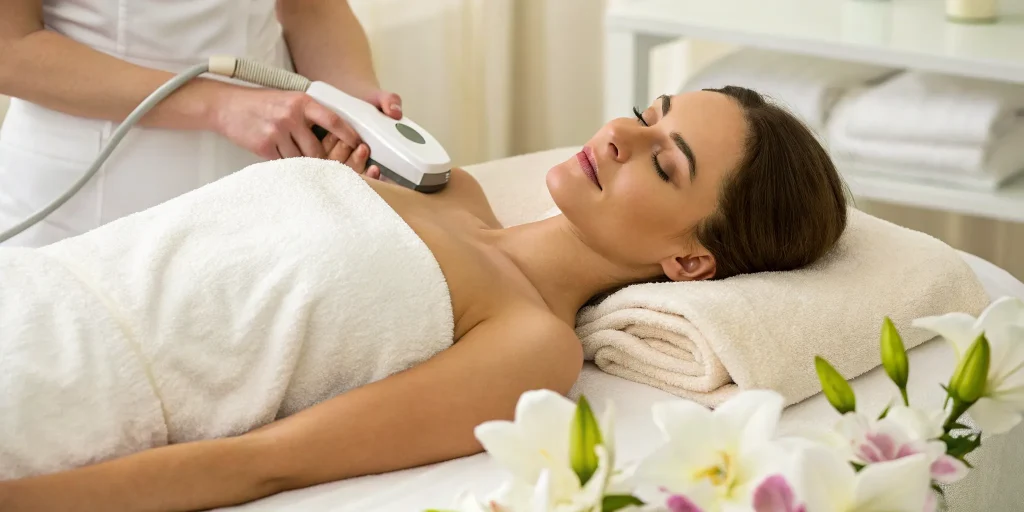
You’re dedicated to your health. You eat well, stay active, and feel great—but some stubborn spots just won’t budge. That’s where a modern body contouring treatment can be the perfect finishing touch. Using energy from a specialized body contouring machine, these non-invasive body contouring treatments target and eliminate fat cells right under the skin. Your body then naturally processes them away over time. The best part? No surgery, no incisions, and no lengthy recovery. This is body contouring: your ultimate guide to understanding the science and what you can expect.
Key Takeaways
- Think Sculpting, Not Weight Loss: Body contouring is the perfect final step to fine-tune specific areas, but it works best when you’re already maintaining a stable, healthy weight.
- A Personalized Plan is Non-Negotiable: The best results come from a tailored approach. Use your consultation to partner with a provider and choose the right technology for your specific goals, whether it’s fat reduction or skin tightening.
- Protect Your Investment with Healthy Habits: The fat cells treated are gone for good, but a consistent lifestyle is what makes your results last. A balanced diet and regular exercise are key to maintaining your new shape.
Your Guide to Body Contouring: What It Is & How It Works
Let’s talk about those stubborn spots. You know the ones—the areas that just don’t seem to respond to diet and exercise, no matter how many spin classes you attend or salads you eat. This is where body contouring comes in. Think of it less as a weight-loss tool and more as a body-shaping one. At its core, body contouring is a medical procedure designed to reshape a specific area of your body by getting rid of extra skin or removing fat to make areas look more defined. The goal is to create a smoother, more toned appearance that feels like you.
Whether you’re looking to address lingering fat on your abdomen, tighten up loose skin after weight loss, or simply refine your natural silhouette, body contouring offers a targeted solution. These treatments work by either eliminating small pockets of fat, reducing the appearance of cellulite, or improving skin elasticity to create a firmer look. It’s a way to put the finishing touches on your wellness journey, helping your body’s shape reflect the hard work you’ve already put in. From non-invasive treatments with zero downtime to surgical options for more dramatic results, there’s a path for nearly every goal.
How Science Helps Sculpt Your Body
So, how does a treatment actually sculpt your body without any incisions? The science behind non-invasive body contouring is pretty fascinating. Instead of surgically removing fat, these treatments use advanced technology to trigger your body’s natural processes. Different methods use controlled heating, cooling, or ultrasound energy to target and break down fat cells beneath the skin. Once these cells are damaged, your body’s lymphatic system naturally identifies them as waste and gradually filters them out over the following weeks and months. The result is a reduction in fat in the treated area and a more contoured shape. These non-invasive body contouring technologies are perfect for refining areas like the waist or thighs and firming up muscles.
Fat Reduction or Skin Tightening: Which Do You Need?
It’s easy to group all body contouring goals under one umbrella, but it’s important to distinguish between fat reduction and skin tightening. They address two different concerns. Non-surgical fat reduction treatments are designed to reduce the number of fat cells in a specific area. They target the soft, pinchable fat that sits just under the skin. If your goal is to slim down a small bulge or reduce the circumference of your thighs, fat reduction is what you’re looking for.
Skin tightening, on the other hand, focuses on improving skin laxity. These treatments often use radiofrequency or ultrasound energy to gently heat the deeper layers of your skin. This stimulates collagen and elastin production—the proteins responsible for keeping your skin firm and supple. This is the ideal choice if you’re concerned with loose or crepey skin, rather than excess fat.
What Are Your Body Contouring Treatment Options?
When it comes to reshaping your body, you have more options than ever before. The path you choose really depends on your goals, your timeline, and how you feel about recovery. Generally, treatments fall into two main categories: non-surgical and surgical. Non-surgical options use advanced technology to target fat and tighten skin without any incisions, while surgical procedures offer more dramatic changes by physically removing fat and excess skin. Let’s walk through what each approach looks like.
A Look at Non-Surgical Treatments
If you’re looking for a way to smooth, tighten, and tone without the downtime, non-surgical body contouring is a fantastic choice. These non-invasive technologies work by targeting and breaking down fat cells just beneath the skin’s surface. Think of them as a way to address those stubborn areas that don’t seem to budge with diet and exercise alone. Treatments like Cryolipolysis (often known by the brand name CoolSculpting) use controlled cooling to freeze and eliminate fat cells permanently. The best part? There are no needles, no incisions, and you can typically get back to your day right after a session. These methods are perfect for reducing small fat bulges and improving the appearance of cellulite.
Cryolipolysis (Fat Freezing)
Cryolipolysis, which you might know as CoolSculpting, is a popular method that uses controlled cooling to target and freeze unwanted fat cells. The technology is designed to pinpoint fat just beneath the skin without harming the surrounding tissue. Once the fat cells are frozen, they crystallize and die. Over the next few weeks and months, your body’s natural metabolic processes take over, gradually flushing out these dead cells for good. This treatment is especially effective for those stubborn pockets of fat—like on the abdomen, thighs, or love handles—that just won’t budge, even when you’re close to your fitness goals. It’s a great way to fine-tune your shape without any downtime.
Laser Lipolysis (Fat Melting)
Instead of freezing fat, laser lipolysis does the opposite—it uses targeted laser energy to heat and melt it away. Treatments like SculpSure work by directing laser heat into the fat layer below the skin, raising the temperature of the fat cells until their structural integrity is damaged. Your body then naturally clears away these damaged cells over time. A major benefit of this approach is that the heat can also stimulate collagen production, which helps tighten the skin in the treated area. This makes it a fantastic dual-action treatment if you’re looking to not only reduce fat but also improve skin firmness for a smoother, more toned result.
Radiofrequency (RF) Lipolysis
Radiofrequency (RF) lipolysis is another heat-based technology that tackles both fat reduction and skin laxity. Using a specialized device, RF energy is delivered deep into the skin to heat the underlying fat cells, causing them to die off before being naturally eliminated by the body. What makes this method stand out is its significant skin-tightening effect. The controlled heat also triggers a process called neocollagenesis, where your body produces new collagen. This helps to firm up loose or crepey skin, making it an excellent choice for areas like the abdomen or arms where you might want both slimming and tightening. It’s a comprehensive approach to contouring that addresses both volume and texture.
Injection Lipolysis (Kybella)
For highly targeted fat reduction, injection lipolysis offers a precise solution. The most well-known treatment in this category is Kybella, which is FDA-approved to reduce submental fat—more commonly known as a double chin. This non-surgical injectable contains a synthetic form of deoxycholic acid, a substance your body naturally produces to help absorb fats. When injected into the fat beneath the chin, it destroys the fat cells so they can no longer store or accumulate fat. This method is ideal for treating small, localized pockets of fat that don’t respond to other treatments, allowing for a more defined jawline and profile without surgery.
Electromagnetic Muscle Stimulation
While most body contouring treatments focus on fat, electromagnetic muscle stimulation targets what’s underneath: your muscles. Technologies like Emsculpt use high-intensity focused electromagnetic (HIFEM) energy to induce powerful muscle contractions that aren’t possible through voluntary exercise. A single session can create thousands of these supramaximal contractions, forcing the muscle tissue to adapt by becoming stronger, firmer, and more defined. This treatment is perfect for toning the abdomen, lifting the buttocks, or sculpting the arms and legs. It’s less about fat removal and more about building muscle to create a toned, athletic look, making it an excellent complement to fat reduction procedures.
When to Consider Surgical Procedures
For those seeking more significant and immediate changes, surgical body contouring might be the answer. Procedures like liposuction, tummy tucks, and body lifts are designed to reshape parts of your body by surgically removing excess fat and skin. This approach can create a more dramatic and defined silhouette, especially after major weight loss or pregnancy. While the results can be transformative, it’s important to remember that surgery comes with more risks and requires a longer recovery period. You’ll need to plan for some downtime to heal properly. The trade-off for this more intensive process is a result that is often more noticeable right away compared to the gradual changes seen with non-surgical treatments.
Surgical Lifts for Post-Weight Loss Skin Removal
After achieving significant weight loss, many people find themselves dealing with a new challenge: loose, excess skin. While your body has done the incredible work of shedding pounds, your skin’s elasticity may not have kept up, leaving it unable to shrink back to your new frame. This is where surgical lifts become a crucial final step in the journey. Procedures like a tummy tuck (abdominoplasty), arm lift, or a full body lift are specifically designed to remove this excess skin and the remaining pockets of fat. Unlike non-surgical options that offer subtle tightening, these surgeries provide a definitive solution for creating a smooth, firm contour that truly reflects your weight loss success.
The “Ozempic Makeover” Trend
The rise of effective weight-loss medications like Ozempic has introduced a new conversation in aesthetics, often called the “Ozempic makeover.” As more people achieve rapid and substantial weight loss with these drugs, they are often left with significant skin laxity on the face and body. This has led to an increased interest in procedures that can address this side effect. People are now seeking out treatments, from dermal fillers for facial volume loss to body contouring surgeries for loose skin on the abdomen and limbs. It highlights a modern approach where medical weight management and aesthetic procedures work together to help people complete their transformation.
Modern Body Contouring Machines and Technology
At Novuskin, we focus on the most advanced non-surgical technologies that deliver incredible results without the need for surgery. We use innovative treatments that go beyond just reducing fat—they also work to improve skin health and texture from the inside out. Our goal is to help you achieve a smoother, firmer, and more toned appearance. One of our favorite tools is R-Sleek Body Sculpting, a state-of-the-art treatment that does it all. It helps reduce fat, improves lymphatic drainage to flush out toxins, and effectively treats all stages of cellulite. At the same time, it tightens and tones loose skin, leaving you with a beautifully contoured and slimmed figure. It’s a comprehensive solution for anyone looking to refine their shape.
How to Choose the Right Body Contouring Treatment
Deciding on a body contouring treatment is a personal choice, and the best path forward is one that’s tailored specifically to you. With so many options available, from fat reduction to skin tightening, the key is to find the perfect match for your body, goals, and lifestyle. This isn’t about chasing a trend; it’s about creating a plan that helps you feel confident and comfortable in your own skin. The first and most important step is always a conversation with a qualified provider who can walk you through your options and help you understand what each treatment can realistically achieve.
Think of your initial consultation as a strategy session. It’s your opportunity to share what you’d like to address and for a professional to map out the most effective route. A skilled provider will consider your skin quality, body composition, and overall health to recommend the most suitable technologies. At Novuskin, we believe in a partnership approach. We listen to your goals, assess your unique needs, and design a comprehensive treatment plan that aligns with your vision. This collaborative process ensures you feel informed and empowered every step of the way, from your first visit to your final results. It’s about building trust and making sure you’re completely comfortable with the plan before moving forward.
What to Consider Before You Choose
Before you commit to any treatment, a thorough consultation is non-negotiable. This is where you and your provider will discuss everything from your desired outcome to your complete medical history. Be prepared to talk openly about your lifestyle, any medications you’re taking, and your long-term wellness goals. A great provider will want the full picture to ensure your safety and success. This conversation is the foundation for a treatment plan that’s not only effective but also perfectly suited for your body’s needs. It’s the best way to understand your options and any potential risks involved.
Matching the Treatment to Your Goals
Getting clear on what you want to achieve is crucial. Are you hoping to target small, stubborn pockets of fat that diet and exercise can’t seem to touch? Or is your primary concern loose, saggy skin from aging or significant weight loss? People choose body contouring for different reasons, whether it’s to achieve a smoother silhouette or tighten specific areas. Non-surgical treatments are typically best for individuals who are already close to their ideal weight but want to fine-tune their shape. Defining your goals helps your provider recommend the technology that will deliver the results you’re looking for.
Your Health and Safety Come First
It’s essential to have realistic expectations and understand what body contouring can and cannot do. A key point to remember is that these treatments are designed for shaping and sculpting, not for significant weight loss. Instead, they help refine areas where you’ve struggled to see change or address loose skin left behind after losing weight. Always talk with your provider about the benefits and risks, and don’t hesitate to ask for information about the specific non-invasive technologies they use. As with any aesthetic procedure, results can vary, and an honest provider will help you set achievable goals.
FDA Warnings on Unapproved Uses
Your safety should always be the top priority, which is why it’s so important to understand the difference between approved treatments and dangerous, illegal alternatives. The FDA has issued serious warnings about the use of injectable silicone for body contouring, a practice often performed by unlicensed individuals. These unapproved injections can lead to devastating side effects, including ongoing pain, permanent disfigurement, tissue death, and even stroke or death if the silicone travels through the bloodstream. Choosing a reputable provider who uses FDA-cleared technology isn’t just about getting great results; it’s about protecting your health from irreversible harm.
Health Conditions That May Affect Your Treatment
A thorough consultation is more than just a formality—it’s a critical step in ensuring your treatment is both safe and effective. Before moving forward, you must discuss your complete medical history with your provider. Certain pre-existing health conditions, such as autoimmune disorders, diabetes, or even specific skin sensitivities, can impact how your body responds to a body contouring procedure. Being transparent allows your provider to tailor the treatment plan specifically to you, managing any potential risks and ensuring the technology chosen is appropriate for your health profile. This collaborative approach is key to achieving your goals safely.
The FDA’s Role and How to Report Issues
The FDA plays a crucial role in overseeing the safety of aesthetic devices and procedures in the United States. They monitor products and treatments to protect consumers from harm. If you or someone you know has had a negative experience, especially with an unlicensed provider or an unapproved product like injectable silicone, the FDA encourages you to report it. Their website provides clear resources for reporting suspected criminal activity and adverse effects. Sharing your experience helps the agency track dangerous trends and take action against those who put public health at risk, making the industry safer for everyone.
The Pros and Cons of Body Contouring
Making a change to your body is a big decision, and it’s smart to look at it from every angle. Body contouring can be an incredible tool for helping you feel more at home in your skin, but like any medical procedure, it comes with its own set of considerations. The goal is to feel confident not just in your results, but in the choice you make to get there. That means having a clear and honest conversation about what you can realistically achieve, what the process involves, and what potential side effects you should be aware of.
Think of this as your balanced guide to the pros and cons. We’ll explore the exciting results you can look forward to, from a smoother silhouette to a more toned appearance. We’ll also walk through the potential risks and side effects, so you have a complete picture. Understanding both sides is the key to moving forward with treatments that align perfectly with your goals and comfort level. When you’re well-informed, you can step into your consultation feeling prepared and empowered to ask the right questions. This section is all about giving you that clarity, so you can weigh everything carefully and decide what’s best for you.
The Benefits: What Results Can You Expect?
The main reason people choose body contouring is to fine-tune the shape of their body in ways that diet and exercise alone can’t. It’s not a weight-loss solution, but rather a way to sculpt specific areas. These medical procedures can help remove stubborn pockets of fat, address loose skin that can come with aging or weight changes, and create a more defined, smoother silhouette.
The ultimate goal is to help you look and feel your best. For many, this means feeling more confident in certain clothes, achieving a specific shape they’ve been working toward, or simply restoring a firmer appearance to their skin. It’s about targeting those specific spots that bother you and bringing your body into a balance that feels right for you.
Understanding Treatment Effectiveness by the Numbers
So, what does success look like, and when can you expect to see it? With non-surgical treatments, the results are gradual and look incredibly natural. Because these procedures rely on your body’s own systems to flush out targeted fat cells, you’ll typically see the full effect develop over 6 to 12 weeks. This slow and steady progression allows your body to adapt, resulting in a smoother, more refined contour that doesn’t look like you’ve had “work done.” It’s the perfect approach for a subtle but noticeable improvement that enhances your natural shape.
Now for the big question: how long do the results last? The fat cells treated during a non-surgical fat reduction procedure are permanently eliminated. However, your remaining fat cells can still expand if you gain weight. The key to long-term success is maintaining a consistent lifestyle. A balanced diet and regular exercise are essential for preserving your new, sculpted figure. Think of the treatment as a powerful kick-start, but your healthy habits are what will truly protect your investment and keep you looking and feeling great for years to come.
Understanding the Potential Side Effects
It’s completely normal to have questions about safety and side effects. For non-invasive treatments, the most common effects are temporary and mild. You might experience some redness, swelling, bruising, or tenderness in the treated area right after your session. Some people also feel small lumps or nodules under the skin as the fat cells break down. According to the FDA, these effects typically resolve on their own within a few days or weeks.
Surgical procedures, on the other hand, carry more significant risks. These can include complications from anesthesia, infection, scarring, blood clots, or uneven results. It’s crucial to discuss your full medical history with your provider so they can help you choose the safest, most effective path for your body.
Risks of Cryolipolysis (Fat Freezing)
Cryolipolysis, commonly known as fat freezing, is a popular treatment that uses controlled cooling to target and crystallize fat cells beneath the skin. While it is generally considered safe, it’s important to be aware of the potential risks. A rare but serious side effect is called Paradoxical Adipose Hyperplasia (PAH), a condition where the fat in the treated area actually increases in size instead of decreasing over time. This reaction is the opposite of the intended result and can create a firm, defined mass in the treatment spot. While the exact cause isn’t fully understood, it’s a known complication that may require surgical intervention, like liposuction, to correct.
Risks of Heat and Ultrasound Treatments
Heat-based treatments, which include radiofrequency and ultrasound technologies, use targeted energy to damage fat cells and stimulate collagen production to tighten the skin. While these methods are effective for many, they also come with their own set of potential side effects. According to the FDA, these risks can include burns, blisters, changes in skin pigmentation (either lighter or darker spots), and in some cases, scarring. This is why a thorough consultation with a qualified provider is so critical. They can assess your skin type and medical history to ensure the treatment is appropriate for you and minimize the chances of any adverse effects.
Is Surgical or Non-Surgical Safer?
When it comes to safety, there’s a clear distinction between surgical and non-surgical body contouring. Surgical options like liposuction or a tummy tuck can create dramatic, immediate changes, but they are invasive procedures that come with higher risks and require significant recovery time. You’ll need to plan for anesthesia, incisions, and a period of downtime to heal properly.
Non-surgical treatments offer a much gentler approach. These procedures use advanced technologies to target and eliminate fat pockets from outside the body, without any need for incisions or anesthesia. The trade-off is that results appear more gradually over several weeks or months. For many people, the lower risk profile and minimal-to-no downtime make non-surgical options the ideal choice for their lifestyle.
Is Body Contouring Right for You?
Thinking about body contouring is exciting, but it’s also important to know if it’s the right fit for you and your goals. These treatments are incredible tools for refining your shape, but they aren’t a one-size-fits-all solution. The best results happen when the right person chooses the right procedure for the right reasons. So, how do you know if you’re an ideal candidate?
It comes down to a few key factors: your current weight and lifestyle habits, your skin’s condition, and, most importantly, your expectations. Body contouring is less about changing the number on the scale and more about fine-tuning the silhouette you’ve already worked hard for. It’s the final touch, not the starting point. Understanding this distinction is the first step in figuring out if these treatments align with what you hope to achieve. Let’s walk through what makes someone a great candidate for achieving a more sculpted look.
Are You a Good Candidate?
The ideal candidate for body contouring is someone who is generally healthy and committed to maintaining a stable lifestyle. It’s less about hitting a specific number on the scale and more about being in a good place with your overall wellness. These treatments are designed to put the finishing touches on your hard work, not replace it. You should have realistic expectations about what can be achieved and understand that results are about refining your shape, not transforming your entire body. A great candidate is also someone who is ready to protect their investment with consistent habits long after the treatments are complete.
Maintaining a Stable Weight
One of the most important factors for success with body contouring is having a stable weight. Think of these treatments as a sculpting tool rather than a weight-loss method. Body contouring is the perfect final step to fine-tune specific areas, but it works best when you’re already at or near your ideal weight. Significant weight fluctuations after your procedure can alter your results, as remaining fat cells in other parts of your body can still expand. By maintaining a consistent weight through a balanced diet and regular exercise, you ensure that your newly sculpted contours remain smooth and defined for the long haul.
The Importance of Being a Non-Smoker
Your overall health plays a huge role in how your body responds to any aesthetic treatment, and smoking can be a major roadblock to achieving the best results. Smoking impairs circulation and can slow down your body’s natural healing processes. For non-invasive treatments, optimal blood flow is essential for flushing out the targeted fat cells and supporting skin rejuvenation. Ideal candidates for body contouring are typically non-smokers because it ensures their body is in the best possible condition to heal efficiently and reveal beautiful, lasting results without complications.
Why Your Lifestyle Habits Matter
One of the biggest misconceptions about body contouring is that it’s a weight-loss method. In reality, it’s a “spot reduction” tool. Think of it this way: these treatments are designed for people who are already living a healthy lifestyle and are close to their ideal weight but struggle with stubborn pockets of fat that just won’t budge, no matter how many salads they eat or gym sessions they attend.
Body contouring helps shape areas where diet and exercise have hit a plateau. To be a great candidate, your weight should be stable. This ensures your results are long-lasting and not undone by future weight fluctuations. A commitment to maintaining your weight through a balanced diet and regular exercise is key to enjoying your sculpted results for years to come.
How Age and Skin Elasticity Play a Role
Your skin plays a huge role in your final body contouring results. Good skin elasticity—its ability to snap back into place—means it will conform beautifully to your new, slimmer contours after fat has been reduced. While younger skin generally has more elasticity, age isn’t necessarily a barrier. Many treatments are designed to address skin laxity.
In fact, many people seek out body contouring specifically to tighten loose or saggy skin that comes with aging or follows significant weight loss. Modern non-invasive body contouring technologies can improve skin texture and firmness, making them a great option for addressing both unwanted fat and mild skin laxity at the same time. During a consultation, a provider can assess your skin quality and recommend the best treatment for your unique needs.
How to Set Realistic Expectations
This might be the most important factor of all. Having realistic expectations is crucial for being happy with your outcome. Body contouring offers refinement, not a total transformation. These procedures are not designed to treat obesity or serve as a substitute for a healthy lifestyle. They won’t make you lose a significant amount of weight.
Instead, they are meant to smooth small bulges, reduce your waist circumference slightly, or help your clothes fit a little better. The results are often subtle but impactful, helping you feel more confident and comfortable in your own skin. The goal is to enhance your natural shape, not create a new one. A thorough consultation will help you understand exactly what a procedure can—and cannot—do for you.
What Is Recovery Really Like?
The body contouring treatment is just the first step—what comes next is equally important for achieving your best results. Understanding the recovery process helps you plan accordingly and feel confident about your decision. The path forward looks quite different depending on whether you choose a non-surgical or surgical route, so knowing what to expect is key. Your provider will give you a detailed aftercare plan, and following it closely will ensure a smooth, comfortable recovery and help you get the sculpted look you’re hoping for.
Recovering from Non-Surgical Treatments
One of the biggest draws of non-surgical body contouring is the minimal downtime. Most people can return to their daily activities, including work and light exercise, almost immediately after their session. However, patience is key when it comes to seeing your final results. These treatments work by prompting your body’s natural processes to eliminate targeted fat cells, which takes time. You might notice some initial changes within a few weeks, but the full, sculpted outcome can take a few months to become visible. It’s important to remember that these non-surgical techniques are designed for fine-tuning, making them most effective for people who are already close to their ideal weight.
What to Expect from Surgical Recovery
If you opt for a surgical procedure, be prepared for a more involved recovery period. While the results are often more immediate and significant, your body needs time to heal properly. Depending on the extent of your surgery, recovery can take anywhere from several weeks to a couple of months. You won’t be able to drive yourself home, so you’ll need to arrange for a friend or family member to pick you up and stay with you for at least the first 24 hours. Following your surgeon’s post-operative instructions to the letter is crucial for managing discomfort, preventing complications, and ensuring your results look their best.
Preparing for a Surgical Procedure
Getting ready for a surgical procedure is all about setting yourself up for a smooth and successful recovery. Your surgeon will provide a detailed list of pre-operative instructions, and it’s so important to follow them to the letter. These guidelines might include what to eat and drink, which medications to pause, and when to stop smoking to support better healing. You’ll also need to plan for the day of your procedure. Since you won’t be able to drive yourself home, you’ll need to arrange for a friend or family member to pick you up and stay with you for at least the first 24 hours to help you rest and recover safely.
Key Aspects of Surgical Recovery
Surgical recovery is a process that requires patience and a commitment to giving your body the rest it needs. Unlike non-surgical treatments, surgery requires you to plan for significant downtime. Depending on the procedure, your initial recovery can last several weeks, with continued healing for a couple of months. You can expect some swelling, bruising, and discomfort, which can be managed with prescribed medication. Your surgeon will likely have you wear a compression garment to support the healing tissues and minimize swelling. Following all post-operative instructions, especially regarding activity restrictions, is the best way to ensure a comfortable recovery and protect your results.
When to Contact Your Doctor Post-Surgery
Your surgical team will schedule follow-up appointments to monitor your progress, but it’s important to know when to reach out between visits. While some discomfort is a normal part of healing, you should contact your doctor immediately if you experience any signs of a complication. Pay close attention to symptoms of infection, such as a fever, excessive redness or warmth around the incision, or unusual discharge. Other red flags include severe pain that isn’t managed by your medication, shortness of breath, or sudden, significant swelling in one area. Never hesitate to call your surgeon’s office if something feels off—it’s always better to be cautious and ensure you’re healing properly.
Tips for a Smooth and Comfortable Recovery
After any body contouring treatment, it’s normal to experience some temporary side effects. Common reactions include mild pain, redness, swelling, and bruising in the treated area. With some non-invasive technologies, you might also feel small lumps or nodules under the skin, which typically resolve on their own. For surgical procedures, your provider will likely prescribe pain medication to keep you comfortable during the initial healing phase. To set yourself up for a smooth recovery, it’s also important to follow pre-treatment guidelines, which may include avoiding smoking and certain medications like aspirin that can interfere with healing.
How Much Does Body Contouring Cost?
Let’s talk about one of the biggest questions on everyone’s mind when considering a new treatment: the cost. Investing in yourself is a big decision, and you deserve to have a clear picture of what to expect financially. The price of body contouring isn’t a one-size-fits-all number; it’s influenced by your unique goals, the technology used, and the treatment plan designed just for you.
Think of it less like buying a product off the shelf and more like commissioning a custom piece of art. The final cost reflects the expertise of your provider, the quality of the technology, and the personalized approach required to get the results you want. While it might seem complicated at first, breaking down the factors that go into the price can help you plan your budget and make a confident, informed choice. We’ll walk through the key elements that determine the cost, compare different payment models, and clarify what to expect when it comes to insurance.
What Factors Into the Price?
The final price tag for body contouring depends on a few key variables. First is the type of treatment you choose. Technologies that freeze fat cells, use radiofrequency for skin tightening, or employ ultrasound for fat reduction all come with different costs. The size of the area you want to treat also plays a big role—addressing a small area like under the chin will naturally cost less than treating the abdomen or thighs.
Finally, the number of sessions required to achieve your desired outcome is a major factor. Most non-surgical treatments require a series of appointments for the best results. The American Society of Plastic Surgeons notes that the provider’s experience and geographic location can also influence pricing, with non-surgical options typically ranging from $1,000 to $4,000 per session.
Typical Cost Ranges for Popular Treatments
To give you a better sense of what to expect, here’s a breakdown of typical price ranges for some of the most common body contouring treatments. Remember, these are just estimates, and your final cost will depend on your personalized plan. For example, a treatment like CoolSculpting, which freezes fat cells, typically runs from $600 to $1,200 per session. Emsculpt, which tones muscle and reduces fat, often costs between $750 and $1,000 per session. Radiofrequency treatments for skin tightening are generally more accessible, ranging from $200 to $600 per session. As we’ve mentioned, the overall cost for non-surgical options can vary widely, but these figures give you a solid starting point for your research and budget planning.
Payment Options: Memberships vs. Per-Treatment
Traditionally, aesthetic treatments are paid for on a per-session basis. You pay a set price each time you come in for an appointment. While this approach is straightforward, it can become costly if you need multiple sessions or want to maintain your results over time. The total can add up quickly, and the final cost isn’t always predictable from the start.
A more modern approach is a membership model, which allows you to access a variety of treatments for a flat monthly fee. This is a fantastic option if you’re committed to long-term self-care. Instead of paying a large sum for each individual session, you have a predictable monthly payment that often provides better overall value. This structure encourages consistency, which is key for achieving and maintaining significant results with non-surgical body contouring.
Will Insurance Cover Your Treatment?
It’s important to set clear expectations about insurance from the get-go. Because body contouring is considered an elective cosmetic procedure, it is almost never covered by health insurance plans. These treatments are designed to improve appearance rather than address a medical necessity, so you should plan for the cost to be an out-of-pocket expense.
Don’t let that discourage you, though. Many clinics understand that this is a significant investment and offer flexible financing options to make the treatments more accessible. It’s always a good idea to ask about payment plans or third-party financing during your consultation. This allows you to break down the total cost into manageable monthly payments that fit your budget.
How to Prepare for Your Consultation
Your consultation is the first big step on your body contouring journey. This is where you and your provider become a team, creating a personalized plan to help you reach your goals. Walking in prepared not only helps your provider give you the best recommendations but also empowers you to make confident decisions about your body. Think of it as a strategy session for your aesthetic goals. A little prep work goes a long way in making this meeting productive and stress-free. You’ll be discussing your personal goals, your health, and your expectations, so having your thoughts organized beforehand will help you get the most out of your time. This is your opportunity to get all your questions answered and ensure you feel completely comfortable with the path forward.
Your Pre-Consultation Checklist
Before you walk into your consultation, take some time to think through a few key things. First, get really clear on your goals. What specific areas are you hoping to address? What does your ideal outcome look like? Write it down if it helps! Next, you’ll need to discuss your complete medical history with your provider. This includes any past procedures, current health conditions, and a full list of medications and supplements you’re taking. This information is crucial for your provider to recommend a safe and effective treatment plan tailored just for you. Being open and honest here is the best way to ensure a great result.
Questions You Should Ask Your Provider
Your consultation is a two-way street, so come armed with questions! This is your chance to get all the details you need to feel secure in your decision. Start by asking which treatment is best suited for your body and goals. From there, you’ll want to understand the benefits and risks of the recommended procedure. A great provider will be transparent about both. It’s also vital to ask about what the procedure can and cannot achieve so you can set realistic expectations. Don’t forget to ask about the recovery process, the number of sessions required, and what long-term maintenance looks like. Finally, ask about your provider’s qualifications and experience with the specific treatment they’re recommending.
Making the Most of Your Consultation
Knowing what will happen during your appointment can help ease any nerves. Your consultation will start with a friendly chat where you’ll go over your goals and the medical history you prepared. Next, your provider will likely conduct a physical examination of the areas you want to treat and may take some “before” photos for your file. Based on this assessment, they will present a personalized treatment plan. They might also discuss any necessary preparations, like stopping certain medications or making small lifestyle adjustments. The most important thing is that you feel heard and respected. By the end of the session, you should have a clear understanding of your options and feel confident about the next steps.
How to Maintain Your Results Long-Term
Getting great results from your body contouring treatment is an exciting first step, but the journey doesn’t end there. Think of it as a partnership between you and your provider. The treatment does the heavy lifting of targeting stubborn areas, and your job is to support those results with healthy habits. By taking a proactive approach to aftercare and lifestyle, you can enjoy your newly sculpted shape for years to come. It’s all about creating a simple, sustainable plan that protects your investment and keeps you feeling confident in your skin.
Daily Habits to Protect Your Investment
Once fat cells are eliminated through a body contouring treatment, they are gone for good. However, the remaining fat cells in your body can still expand if you gain weight, which can alter your results. The best way to protect your new silhouette is by maintaining a healthy lifestyle and a stable weight. This doesn’t mean you need to adopt a super-strict regimen. Instead, focus on consistency. Incorporate regular physical activity that you enjoy, whether it’s walking, yoga, or hitting the gym. Pair that with a balanced diet rich in whole foods. These simple habits will not only preserve your body contouring results but also contribute to your overall wellness.
Do You Need Follow-Up Treatments?
For many people, achieving the ideal outcome is a process, not a single event. Depending on your specific goals and the area being treated, your provider may recommend a series of sessions. It’s common that you might need several treatments to get the results you want. Follow-up appointments allow your provider to track your progress and make any necessary adjustments to your plan. Maintenance treatments can also be a great way to touch up your results over time or address new areas of concern. At Novuskin, our membership model makes it easy to incorporate these ongoing treatments into your self-care routine, ensuring you can consistently maintain and refine your look without the stress of per-session pricing.
What If You’re Not Happy With Your Results?
It’s important to remember that body contouring treatments are designed for sculpting and fine-tuning, and they are not for major body reshaping or weight loss. Having realistic expectations is key to being happy with your outcome. If you feel your results aren’t what you had hoped for, the first step is to schedule a follow-up conversation with your provider. An open and honest discussion allows them to understand your concerns, review your before-and-after progress, and discuss potential next steps. In the rare event you experience an issue with a medical device used during treatment, you should also report it to the FDA to help ensure patient safety.
Related Articles
- 6 Best Non-Invasive Fat Removal Treatments
- What to Expect From Body Sculpting Laser Treatments – Novuskin
- 5 Types of Fat Melting Treatment Explained
- Ultrasonic Cavitation Before and After: Your Full Guide
Frequently Asked Questions
Is body contouring painful? Most people find non-surgical body contouring to be very manageable. Instead of pain, you’ll likely feel specific sensations depending on the technology used. Some treatments create a cooling or warming feeling on the skin, while others might feel like a deep tissue massage. Your provider will walk you through exactly what to expect, but you can generally relax during the session and head right back to your day afterward.
How is this different from just losing weight? This is a great question because it gets to the heart of what body contouring does. When you lose weight through diet and exercise, your fat cells shrink, but they don’t disappear. Body contouring treatments actually eliminate a portion of the fat cells in a targeted area for good. This is why it’s so effective for shaping those stubborn spots that don’t respond to your healthy habits—it’s a tool for sculpting, not for overall weight reduction.
How many sessions will I need to see results? The number of sessions you’ll need is completely unique to you and your goals. While some people are happy after just a few treatments, others may need a more extensive series to achieve their desired look. Factors like the treatment area, the technology used, and your body’s individual response all play a role. Your provider will create a personalized plan during your consultation so you know exactly what to expect.
When will I actually see the final results? Patience is part of the process with non-surgical treatments. Because these technologies rely on your body’s natural systems to flush out the treated fat cells, the results appear gradually. You might start to notice changes within a few weeks of your first session, but the most noticeable, final outcome typically becomes visible two to three months after your last treatment.
Are the results permanent? Yes, the fat cells that are eliminated during a body contouring treatment are gone permanently. However, it’s important to remember that the remaining fat cells in your body can still grow if you gain weight. The best way to ensure your results last for years is to maintain a stable weight through a consistent, healthy lifestyle. Think of the treatment as a fantastic head start, and your habits as the key to long-term success.


