


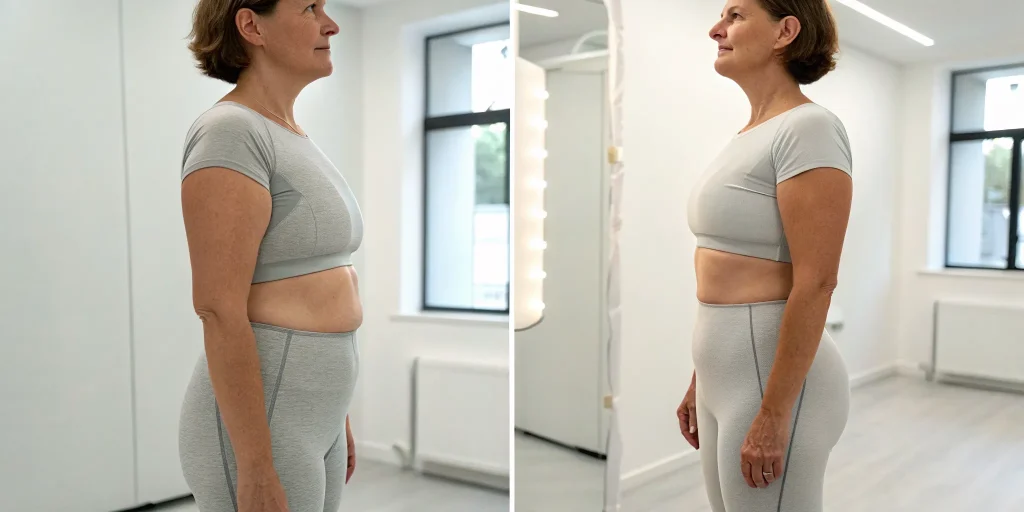
When you hear about treatments that can freeze or melt away fat, it’s natural to be a little skeptical. The science behind non-surgical body contouring, however, is both fascinating and effective for the right person. Instead of surgery, these procedures use advanced energy, like precisely controlled cooling or laser heat, to target and destroy stubborn fat cells without harming your skin. Your body then naturally clears away these cells over time. But does non surgical fat reduction work for everyone? In this article, we’ll break down the different technologies, walk you through the process, and set realistic expectations so you can decide if this is the right path for achieving your body goals.
Key Takeaways
- Focus on Sculpting, Not the Scale: Non-surgical fat reduction is a body contouring tool designed to spot-reduce stubborn pockets of fat. It is most effective for people who are already near their target weight and want to refine their shape, not for significant weight loss.
- Patience Is Part of the Process: Results are not instant. Your body needs time to naturally process and clear away the treated fat cells, so expect your final, sculpted results to gradually appear over two to three months.
- Protect Your Investment with Healthy Habits: The treated fat cells are gone permanently, but remaining fat cells can still expand. Maintaining a stable weight through a balanced lifestyle is the best way to ensure your new contours last for years to come.
What Is Non-Surgical Fat Reduction?
Let’s talk about those frustrating pockets of fat, the ones that stick around no matter how consistent you are with your diet and workouts. This is where non-surgical fat reduction comes in. Think of it as a modern approach to body contouring that helps you refine your shape without the need for surgery. These treatments use innovative technologies, like precisely controlled cooling, gentle heat, or targeted sound waves, to damage and break down unwanted fat cells beneath the skin.
Once the fat cells are treated, your body does the rest of the work. Over the following weeks and months, your natural metabolic system gradually processes and clears away these damaged cells for good. It’s not a solution for significant weight loss, but rather a powerful tool for spot-reducing and sculpting specific areas. Whether it’s a little bulge on your abdomen, love handles, or stubborn fat on your thighs, these procedures can help you achieve a smoother, more contoured silhouette. The goal is to help you feel more confident in your clothes and love the body you’ve worked so hard for.
Surgical vs. Non-Surgical: What’s the Difference?
When you hear “fat removal,” traditional liposuction might be the first thing that comes to mind. Liposuction is an effective surgical procedure, but it involves incisions, anesthesia, and significant recovery time. Non-surgical fat reduction offers a completely different path. Because these treatments are non-invasive, there are no cuts, no stitches, and typically little to no downtime. You can often schedule a session during your lunch break and return to your daily activities right after. While liposuction can remove larger volumes of fat, non-surgical options are perfect for people who are already near their ideal weight but want to address smaller, stubborn areas with minimal disruption to their busy lives.
A Look at Your Treatment Options
The great thing about non-surgical body contouring is that it’s not a one-size-fits-all solution. There is a whole suite of advanced technologies available, each designed to work in a unique way. Some of the most popular treatments use cryolipolysis, which freezes and crystallizes fat cells, while others use laser energy to heat and destroy them. We also have injectable treatments that use a naturally occurring substance to dissolve fat cells, a method that is especially effective for smaller areas like under the chin. Other therapies use radiofrequency or ultrasound waves to break down fat. Having so many options allows a provider to create a personalized plan that perfectly matches your body and your aesthetic goals.
How Do These Treatments Actually Work?
It’s amazing what modern technology can do for body contouring. Instead of going under the knife, we can now use energy-based treatments to target and reduce stubborn fat pockets. Each method works a little differently, but they all share the same goal: to destroy fat cells so your body can naturally clear them away. Let’s walk through exactly how these popular treatments get the job done.
Freezing Fat Cells (Cryolipolysis)
You’ve probably heard of this one, often known by the brand name CoolSculpting. The science behind it, called cryolipolysis, is pretty fascinating. This treatment uses controlled cooling to freeze and destroy targeted fat cells without harming the surrounding skin or tissue. Your provider places an applicator on the treatment area, which gently suctions the skin and delivers precise cooling. The frozen fat cells crystallize and die, and over the next few months, your body’s natural processes flush them out. It’s a popular choice for tackling love handles, belly pooch, and thigh fat, with some studies showing it can reduce fat in a treated area by up to 25% per session.
Using Lasers to Target Fat (Laser Lipolysis)
If freezing fat isn’t your thing, how about heating it up? Laser lipolysis, with treatments like SculpSure, uses the opposite approach. Instead of cold, it applies controlled laser heat to the fat cells beneath your skin. This thermal energy raises the temperature of the fat cells, damaging their structure and causing them to break down. Just like with cryolipolysis, your body’s lymphatic system then goes to work, clearing away the destroyed cells over time. You can typically start to see changes in about six weeks, with the most noticeable results appearing around the three-month mark. It’s another effective way to handle those frustrating spots that diet and exercise can’t seem to touch.
Dissolving Fat with Injections (Injectable Lipolysis)
For smaller, more concentrated areas of fat, injectable treatments can be a game-changer. The most well-known is Kybella, which is FDA-approved to reduce fat under the chin (the dreaded “double chin”). This treatment uses a synthetic form of deoxycholic acid, a substance your body naturally produces to help absorb fats. When injected into the fat beneath your chin, it permanently destroys the fat cells. Once those cells are gone, they can’t store fat anymore. Most people need a series of treatments to get their desired look, but the results are long-lasting as long as you maintain a stable weight.
Radiofrequency and Ultrasound Therapies
Radiofrequency (RF) and ultrasound are two other powerful, non-invasive technologies used for body contouring. RF treatments deliver energy to create heat deep within the skin, which not only breaks down fat cells but also stimulates collagen production for a skin-tightening effect. It’s a great two-in-one benefit. Ultrasound therapies, on the other hand, use high-intensity sound waves to disrupt and destroy fat cells without affecting nearby tissues. Both of these non-surgical methods work by causing fat cells to break down, allowing your body to process and eliminate them naturally for a smoother, more contoured shape.
Setting Realistic Expectations for Your Results
Before you book your first session, let’s talk about what you can realistically expect. Understanding the process and the timeline is the first step toward loving your results. These treatments are incredible for sculpting and refining, but they aren’t a magic wand. Think of them as the final touch on your wellness journey, designed to tackle the stubborn spots that diet and exercise can’t seem to reach. Setting clear goals from the start ensures you’ll feel confident and satisfied with your outcome.
How Much Fat Can You Really Lose?
It’s a common point of confusion, so let’s clear it up: non-surgical fat reduction is designed to reduce specific pockets of fat, not to lower the number on the scale. Most treatments, like cryolipolysis or laser lipolysis, can reduce fat in the targeted area by about 20% to 25% after a full series of sessions. This creates a noticeable slimming and sculpting effect on those frustrating areas, like love handles, a double chin, or a small belly pooch. The ideal candidate is someone who is already close to their target weight but needs a little help refining their shape. The goal of nonsurgical fat reduction is contouring, not weight loss.
Your Results Timeline: When Will You See a Change?
One of the biggest differences between non-surgical body contouring and a procedure like liposuction is the timeline. You won’t walk out of your appointment with a brand-new shape. Instead, your results will appear gradually. This is because the treatments rely on your body’s natural processes to clear away the treated fat cells. It’s a gentle, behind-the-scenes process that happens over time. Most people start to see changes within a few weeks, but the most significant and final results typically take about two to three months to fully appear. It’s a process that rewards patience, so trust that your body is working to reveal a more sculpted you.
Are the Results Permanent?
Here’s the great news: the fat cells that are destroyed during your treatment are gone for good. They won’t grow back. However, it’s crucial to remember that not all fat cells in the area are removed. The remaining ones can still expand if you gain weight in the future. To maintain your beautiful new contours, a healthy lifestyle is key. Think of the treatment as a head start, and your commitment to balanced eating and regular exercise as the way you protect that investment. These non-invasive body contouring treatments are a tool for shaping your body, not a substitute for healthy habits.
The Big Question: Does It Actually Work?
So, let’s get straight to it. You’ve heard the promises, seen the before-and-after photos, and now you want the real story. Do these non-surgical treatments actually get rid of stubborn fat? It’s a great question, and you deserve a clear, honest answer. The short version is yes, but it’s important to understand exactly what they are designed to do. These treatments are a fantastic tool for sculpting and refining your shape, but they aren’t a magic wand for weight loss. When used for the right reasons on the right candidate, the results can be exactly what you’re looking for.
What the Research Says
The science is solid: non-surgical fat reduction is effective, but it’s a tool for fine-tuning, not for major weight loss. Think of it as a way to finally deal with those small, stubborn pockets of fat that just won’t budge, no matter how consistent you are with your diet and workouts. Research shows these treatments are most successful for people who are already close to their target weight but want to refine specific areas. The results are real, but they are also subtle and appear gradually. Your body needs time to naturally process and clear away the treated fat cells, so you’ll typically see the final outcome develop over three to six months.
Non-Surgical Options vs. Liposuction
It’s helpful to think of non-surgical fat reduction as a less invasive alternative to traditional liposuction. While liposuction is a surgical procedure that can remove larger volumes of fat, it also comes with more downtime and risk. Non-surgical treatments are the perfect fit for the right person, especially someone looking to target smaller, localized spots like love handles, a bit of belly pooch, or fat under the chin. According to the American Society of Plastic Surgeons, these treatments are best for those stubborn areas that don’t respond to diet and exercise. They offer a way to get the facts on nonsurgical fat reduction without the commitment of surgery.
Understanding the Limitations
Being transparent about what these treatments can and can’t do is key to feeling happy with your results. First, it’s crucial to know this is not a weight-loss solution. If you have a significant amount of weight to lose, this isn’t the right starting point. Second, patience is a virtue. Unlike surgery, you won’t see a change overnight. It takes a few weeks to months for your body to do its work and for the full results to become visible. Finally, you have to maintain a healthy lifestyle to keep your new shape. The treated fat cells are gone for good, but the remaining ones can still expand if you don’t stick to healthy habits. A professional consultation is the best way to understand what kind of results you can realistically expect.
Is Non-Surgical Fat Reduction Right for You?
Thinking about body contouring is exciting, but it’s important to know these treatments are powerful tools for specific goals, not a magic wand. The best results happen when you’re the right candidate. So, is non-surgical fat reduction a good fit for you? It comes down to your starting point, the areas you want to treat, and your lifestyle. This isn’t about perfection; it’s about aligning the treatment with your personal goals so you love your results. Let’s explore these factors to see if body contouring is your ideal next step.
Why Your Starting Point Matters
Let’s be direct: non-surgical fat reduction is a contouring tool, not a weight loss solution. The ideal candidate is someone already at or very close to their target body weight. Think of it as the finishing touch after you’ve put in the work with diet and exercise. These treatments are designed to spot-reduce small, localized pockets of fat that won’t budge. If your goal is significant weight loss, this isn’t the right path. Instead, body contouring helps refine the shape you’ve worked so hard to achieve.
The Best Treatment Areas for Stubborn Fat
These treatments are designed for stubborn spots that resist diet and exercise, working best on localized deposits of “pinchable” fat. Common and successful treatment areas include the abdomen, love handles (flanks), thighs, and back fat. Other popular spots are the upper arms, the area under the buttocks, and the fat that creates a double chin. A single session of a treatment like cryolipolysis can reduce fat in a targeted area by up to 25%. It’s all about precision, targeting specific spots to create a more streamlined silhouette.
Key Health and Lifestyle Considerations
Realistic expectations are key. First, be patient, as results aren’t instant. It takes your body time to naturally process and clear away the treated fat cells, with full results typically visible in two to three months. Second, while the treated fat cells are gone for good, this doesn’t make you immune to weight gain. If you don’t maintain a stable weight, remaining fat cells can still grow larger. A healthy lifestyle is essential to protect your investment. Think of these treatments as a complement to your wellness routine, not a replacement.
Risks and Recovery: What to Expect
Making an informed decision about your body means understanding the full picture, including what happens after your treatment. The good news is that non-surgical procedures are designed to be minimally disruptive. While every treatment comes with potential side effects, most are mild and short-lived. Knowing what to expect can help you feel confident and prepared as you begin your body contouring journey.
The key to a great experience is working with a provider who is transparent about both the benefits and the potential risks. Let’s walk through what recovery typically looks like so you know exactly what to anticipate.
Common (and Temporary) Side Effects
It’s completely normal to experience a few minor side effects after a non-surgical fat reduction treatment. During the procedure, you might feel sensations of intense cold, warmth, or tingling, but these are generally manageable. Afterward, the most common effects are some mild swelling, redness, numbness, or bruising in the treated area.
Think of it like the aftermath of a strong workout. These reactions are signs that your body is responding to the treatment and beginning the process of clearing away the targeted fat cells. Most of these side effects are temporary and resolve on their own within a few days to a couple of weeks. Overall, these are considered well-tolerated procedures with minimal downtime.
Rare Complications to Be Aware Of
While serious complications are uncommon, it’s important to be aware of them. One rare risk is called Paradoxical Adipose Hyperplasia (PAH), where the fat cells in the treated area grow larger instead of smaller, creating a firm bulge. Other potential risks include lasting pain, significant swelling, or the formation of hard nodules under the skin.
These issues are why it’s so crucial to choose a licensed and experienced provider who uses proven, FDA-cleared non-invasive body contouring technologies. A skilled professional will know how to minimize risks and can identify if you are a good candidate for the procedure, ensuring your safety and the quality of your results. Always discuss your full medical history during your consultation.
How to Prepare for a Smooth Recovery
The best way to ensure a smooth recovery is to start with a thorough consultation. This is your opportunity to discuss your goals, ask questions, and get a realistic picture of the results you can expect. A qualified provider will help you choose the right treatment for your body and your objectives, which is the first step toward a successful outcome.
One of the biggest advantages of these treatments is the minimal downtime. Most people can return to their normal activities, including work, on the very same day. Your provider will give you specific aftercare instructions, which are usually simple and straightforward. Following their guidance will help you recover quickly and get the most out of your investment.
5 Myths About Non-Surgical Fat Reduction, Busted
Non-surgical body contouring is surrounded by a lot of buzz, and with that comes a lot of confusion. It’s easy to get your hopes up with promises of effortless results, but it’s important to separate fact from fiction. Let’s clear the air and bust five of the most common myths I hear about these treatments, so you can go into your consultation with realistic expectations and confidence.
Myth #1: It’s a shortcut to weight loss.
Let’s get this one out of the way first: non-surgical fat reduction is not a weight loss procedure. Think of it as body contouring or spot reduction. These treatments are designed to target those frustrating, stubborn pockets of fat that just won’t budge, no matter how consistent you are with diet and exercise. We’re talking about the pinchable fat on your flanks, abdomen, or under the chin. The goal isn’t to lower the number on the scale, but to refine your shape and smooth out specific areas. It’s the final touch, not the whole makeover.
Myth #2: You’ll see dramatic results instantly.
I know we all love instant gratification, but these treatments require a little patience. Unlike surgical procedures, you won’t walk out of the office with a dramatically different figure. Non-surgical methods work by triggering a natural process in your body to eliminate the targeted fat cells. This process takes time. You’ll likely start to notice changes within a few weeks, but the full, final results take time to appear, typically after two to three months. It’s a gradual transformation that looks and feels completely natural as your body works its magic.
Myth #3: One treatment is all you need.
While a single treatment will definitely start the fat reduction process, most people need a series of sessions to achieve their ideal results. Because these methods are non-invasive, the changes are more subtle and controlled. In fact, you will often need many treatments to get the look you want. Think of it less like a one-time fix and more like a personalized plan tailored to your body and goals. During your consultation, your provider can map out exactly what your treatment series will look like to get you the best possible outcome.
Myth #4: The fat can never come back.
This one is partially true, which is what makes it so tricky. The fat cells that are destroyed during your treatment are gone for good; your body doesn’t regenerate them. However, that doesn’t mean you can’t gain fat in that area again. The remaining fat cells can still expand if you gain weight. This is why maintaining a stable weight and a healthy lifestyle is key to protecting your investment. Your beautiful results are yours to keep, as long as you continue to support them with healthy habits.
Myth #5: All treatments are created equal.
It’s easy to lump all “fat melting” treatments together, but they are definitely not created equal. There are several different technologies, and each works in a unique way. For example, some treatments use controlled cooling to freeze and destroy fat cells, while others use laser energy, radiofrequency heat, or even injectable solutions to break them down. The best non-surgical fat reduction method for you depends on the treatment area, the amount of fat, and your specific goals. A thorough consultation is the best way to determine which approach will give you the results you’re looking for.
Is It Worth the Investment?
Deciding to invest in your body is a big deal, and it’s smart to ask if non-surgical fat reduction is truly worth the money. The short answer is yes, it absolutely can be. For the right person, these treatments are incredibly effective at targeting small, stubborn pockets of fat that just won’t budge, no matter how consistent you are with diet and exercise. Think of it less as a weight loss tool and more as a body contouring solution that helps you fine-tune your shape and feel more confident.
The key is understanding what you’re paying for and what kind of results you can realistically expect. The total cost depends on several factors, from the technology used to the number of sessions you’ll need. By breaking down the investment, you can make an informed decision that aligns with your goals and budget.
What Factors Influence the Cost?
The final price tag for non-surgical fat reduction isn’t one-size-fits-all. Several key factors determine your total investment. The specific technology used plays a big role; for example, the cost of a cryolipolysis session might differ from a radiofrequency treatment. The size of the area you want to treat also matters, as treating a larger area like the abdomen will naturally cost more than a smaller one like under the chin.
Most importantly, you’ll likely need more than one appointment to see the results you want. Because multiple sessions are often necessary, the total cost can sometimes be comparable to surgical options. That’s why it’s crucial to get a clear treatment plan and a full cost breakdown from your provider during your initial consultation.
How Many Sessions Will You Need?
One of the most common questions is, “How many times do I have to do this?” For most non-surgical fat reduction treatments, you should plan on two to four sessions to achieve the best outcome. Each treatment gradually reduces the fat cells in the targeted area, so multiple sessions build on each other for a more noticeable transformation. For instance, a single cryolipolysis session might reduce fat in the treated area by 20% to 25%.
While some people are happy after just one or two appointments, others may need more to reach their desired goal. The exact number of sessions depends on the treatment area, the amount of fat you want to address, and your body’s individual response. Your provider will work with you to create a personalized plan.
A Smarter Way to Invest in Your Results
Making a smart investment in your body goes beyond just paying for a procedure. It starts with having an honest conversation with a qualified provider to understand what results are truly possible for you. This helps you set realistic expectations and ensures you choose the right treatment for your specific goals. Remember, these treatments work best as a partner to a healthy lifestyle, so continuing to eat well and exercise is essential for maintaining your new shape long-term.
Instead of paying for each session individually, a membership model can make your body contouring journey more predictable and manageable. This approach allows you to bundle treatments and plan your expenses with a simple monthly payment, taking the financial guesswork out of achieving and maintaining your results. It’s a sustainable way to invest in your confidence over the long run.
How to Protect and Enhance Your Results
You’ve invested time and money into your body contouring journey, so let’s talk about how to make those beautiful results last. Think of it less like a one-and-done fix and more like the beginning of a new chapter. The choices you make after your final session are just as important as the treatment itself. With a few smart habits and a strategic approach, you can protect your investment and even enhance your new shape for years to come. It’s all about creating a plan that supports your body and helps you enjoy your new confidence long-term.
Lifestyle Habits to Maintain Your New Shape
One of the best things about non-surgical fat reduction is that the treated fat cells are gone for good. However, this doesn’t make you immune to future weight gain. The remaining fat cells in the area, and elsewhere in your body, can still expand. This is why maintaining a stable weight is the single most important thing you can do to preserve your results. A healthy lifestyle doesn’t have to mean a complete overhaul. It’s about finding a sustainable balance with nutritious food and regular movement that makes you feel good. By keeping your weight steady, you ensure your new contours remain defined and your results can last for the long term.
Combining Treatments for a Total Transformation
It’s a common myth that you’ll walk out of a single appointment with your final results. The reality is that most non-surgical body contouring treatments work best as a series. To achieve the most noticeable and lasting outcome, you will likely need multiple sessions spaced several weeks apart. This gradual approach allows your body to process the treated fat cells naturally, leading to a smoother, more refined appearance. Many people also find that combining fat reduction with other services, like skin tightening or muscle toning, creates a more complete transformation. Planning for a full treatment series from the start ensures you achieve the best possible outcome and truly get the look you’re hoping for.
Ready to Explore Your Body Contouring Options?
If you’re thinking about non-surgical fat reduction, it’s smart to get a clear picture of how these treatments work and what you can realistically expect. These procedures use advanced technology, like controlled cooling or laser energy, to target and break down fat cells in a specific area. The American Society of Plastic Surgeons explains that nonsurgical fat reduction is simply a way to get rid of stubborn fat without the recovery time of surgery. After the treatment, your body does the rest of the work, naturally processing and clearing away these damaged cells over the following weeks.
It’s important to know that these treatments are most effective for people who are already near their ideal body weight but just can’t seem to shake those frustrating pockets of fat. This isn’t a procedure for major body reshaping, but rather a way to fine-tune your shape. Patience is also part of the process. Results don’t happen overnight; you’ll typically see the complete results develop over two to three months as your body adjusts.
Before you make any decisions, your best first step is to sit down with a qualified provider for a consultation. This is your chance to talk about your personal goals, ask all your questions, and get a professional recommendation on which treatment is the right fit for you. Understanding the process and setting clear expectations from the start is the key to feeling confident and happy with your outcome.
Related Articles
Frequently Asked Questions
What does a non-surgical fat reduction treatment actually feel like? This is a great question because knowing what to expect makes the whole experience more comfortable. Most clients find the treatments very manageable. For cooling technologies, you’ll initially feel intense cold and some pressure from the applicator, but the area typically goes numb within a few minutes. With heat-based treatments, you’ll feel a warming sensation that cycles on and off to keep you comfortable. For injectables, you can expect a series of quick pricks, similar to other cosmetic injections. While you might feel some odd sensations, the procedures are designed to be as comfortable as possible.
If the fat cells are gone for good, why do I need to maintain a healthy lifestyle? Think of your body like a garden. The treatment removes specific weeds, and those particular weeds won’t grow back. However, the rest of your garden still exists. The remaining fat cells in the treated area, and everywhere else, can still grow larger if you take in more calories than you burn. Maintaining a stable weight through balanced eating and regular activity is what keeps the whole garden looking great and ensures your new, sculpted contours stay visible for years to come.
How is this different from just losing weight through diet and exercise? When you lose weight through diet and exercise, you can’t choose where the fat comes off. Your body decides for you, and it often leaves behind stubborn pockets in places like your abdomen or thighs. Non-surgical fat reduction is different because it’s not about losing weight; it’s about changing your shape. These treatments allow us to target and reduce those specific, frustrating spots, creating a smoother and more refined silhouette that your hard work at the gym couldn’t quite achieve.
Can I treat multiple areas of my body at once? Yes, it’s often possible to address several areas, but the approach depends on the technology and your personal treatment plan. Some systems have multiple applicators that can run simultaneously, allowing you to treat your love handles and abdomen in the same session, for example. For other areas or treatments, you might need to schedule separate appointments. During your consultation, your provider will help you create an efficient plan to address all your goals.
Who is not a good candidate for these treatments? These treatments are fantastic, but they aren’t the right fit for everyone. They are not intended for significant weight loss, so if that is your primary goal, this isn’t the best starting point. It’s also not suitable for individuals with certain medical conditions, such as cryoglobulinemia (for cooling treatments) or liver problems (for treatments that rely on the liver to process fat). Most importantly, if you’re looking for an instant, dramatic change similar to surgery, this gradual process may not meet your expectations. A thorough consultation is the best way to confirm if you’re a good candidate.


