


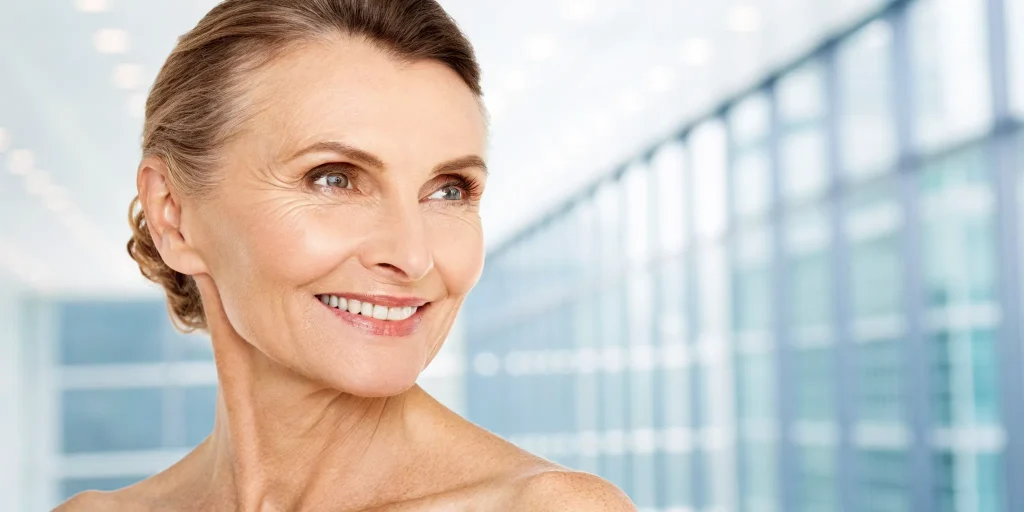
We all admire women like Goldie Hawn, who seem to age with such grace and vibrancy. But when you look in the mirror, the thought of surgery can feel like a huge leap. The good news? You have options. Finding the best non surgical facelift is about creating a personalized plan that works for you. Especially when considering the best non surgical facelift for over 60, it’s not a one-size-fits-all solution. This guide will break down every effective non surgical face lift option, helping you make an informed choice for your unique goals.
Key Takeaways
- Think combination, not single treatment: A successful non-surgical facelift addresses multiple signs of aging at once, often by pairing volume-restoring fillers with skin-tightening procedures for a balanced, natural look.
- View results as a long-term journey: These treatments stimulate your body’s natural processes, so expect gradual improvements over several months and plan for maintenance appointments to preserve your investment.
- Prioritize provider expertise above all else: Finding a licensed, experienced professional is the most important step you can take, so vet their credentials, look at their patient photos, and make sure you feel comfortable and heard.
Why Our Skin Changes Over Time
It’s a simple fact of life: our skin changes as we get older. The reflection we see in our 40s and 50s is different from the one we knew in our 20s, and it’s not just your imagination. But what’s actually happening beneath the surface? These changes are the result of a complex combination of your body’s natural aging process and the life you’ve lived. As we age, our skin’s underlying support system—made of proteins, fat, and even bone—begins to shift and weaken, losing the firmness and elasticity that once kept it smooth and taut. This leads to the classic signs of aging, like fine lines, wrinkles, and a loss of facial volume. Understanding these factors is the first step toward addressing them effectively and creating a plan that works for you.
More Than Just Collagen Loss
We hear a lot about collagen, and for good reason. This protein acts like the scaffolding for your skin, providing its structure and firmness. As we age, our bodies naturally slow down collagen production, causing that supportive structure to weaken. But collagen is only half the story. The other key player is elastin, the protein responsible for your skin’s ability to bounce back. Think of it as a rubber band; when you’re young, it snaps back into place instantly. Over time, that rubber band gets stretched out. As your body produces less elastin, your skin loses its resilience, which contributes to sagging and the formation of wrinkles, especially around the jawline and cheeks.
How Lifestyle Choices Impact Skin Aging
While genetics play a role in how your skin ages, your daily habits have a major impact. Think of your skin as a record of your lifestyle choices. Years of sun exposure without proper protection is one of the biggest culprits, as UV rays actively break down your existing collagen and elastin. Other habits, like smoking, can also speed up the aging process by restricting blood flow and depriving your skin of essential oxygen and nutrients. Even a diet high in sugar can cause problems by creating harmful molecules that damage your skin’s vital proteins. The good news is that you have control over these factors, and making positive changes can help protect your skin for years to come.
The Growing Popularity of Non-Surgical Options
The conversation around cosmetic treatments has shifted dramatically. Not long ago, the only real option for significant facial rejuvenation was a surgical facelift. Today, more people are choosing a different path. They don’t want to look like a different person; they want to look like the best version of themselves—rested, vibrant, and confident. This desire for natural-looking results has fueled the rise of non-surgical alternatives. These modern procedures offer a way to address the signs of aging with precision and subtlety, avoiding the risks, downtime, and “overdone” look associated with invasive surgery. It’s about making small, strategic improvements that add up to a big impact.
A Look at the Numbers
If you’re considering a non-surgical treatment, you’re in good company. These procedures have become incredibly mainstream, with over 13 million minimally invasive cosmetic treatments performed in the U.S. in a single year. Their popularity comes down to a few key advantages. First, they are far less invasive than surgery, which means minimal to no recovery time. You can often get a treatment done on your lunch break and return to your day immediately. They also tend to be more affordable than a full surgical procedure and, most importantly, deliver subtle, natural-looking results. This approach allows you to gradually restore volume and tighten skin, fitting seamlessly into a consistent, long-term self-care routine.
What’s the Best Non-Surgical Facelift for Over 60s?
If you’re looking to refresh your appearance, you have more options than ever before, and they don’t all involve surgery. The goal of a non-surgical facelift is to lift, tighten, and restore volume for a naturally youthful look without the extensive downtime of a traditional procedure. These treatments use advanced technologies to stimulate your skin’s own regenerative processes, helping you look as vibrant as you feel.
The best approach often combines different treatments to address your unique concerns, from skin texture to sagging. Let’s walk through some of the most effective and popular options available today.
Lift and Tighten with Ultherapy
Think of Ultherapy as a workout for the deep foundational layers of your skin. This treatment uses focused ultrasound energy to gently heat the tissue under the surface, stimulating your body’s natural ability to create fresh, new collagen. It’s the only non-invasive procedure that is FDA-cleared to lift the skin on the neck, chin, and brow. Because it works from the inside out, the results appear gradually over two to three months for a very natural-looking lift. It’s an excellent choice if your main concern is sagging skin around the jowls or a less-defined jawline.
The Only FDA-Approved Non-Invasive Lift
What truly sets Ultherapy apart is its unique clearance from the FDA. While many treatments can tighten the skin’s surface, Ultherapy is the only non-invasive procedure cleared to physically lift tissue. This is because it uses ultrasound imaging, which allows your provider to see the layers of tissue they are treating and deliver energy precisely where it will be most effective. It targets the same deep foundational support structure that surgeons address during a surgical facelift. By stimulating collagen production at this depth, Ultherapy creates a noticeable lift from the inside out, making it a powerful option for addressing sagging without a single incision.
Get Firmer Skin with RF Microneedling
If you want to improve both skin tightness and texture, radiofrequency (RF) microneedling is a fantastic two-in-one solution. This treatment combines the collagen-stimulating effects of microneedling with the skin-tightening power of radiofrequency energy. Tiny needles create micro-channels in your skin, and then RF heat is delivered to the deeper layers. This process triggers a powerful healing response, leading to firmer, smoother, and more elastic skin. It’s particularly effective for addressing fine lines, wrinkles, and overall skin laxity, giving your complexion a refined and rejuvenated appearance.
Treatment Plans for All Skin Types
The most effective non-surgical facelift isn’t about choosing a single service; it’s about creating a customized treatment plan tailored to your unique facial structure and skin quality. A successful strategy often addresses multiple signs of aging at once. For instance, your provider might pair a volume-restoring filler with a skin-tightening procedure to create a balanced and completely natural look. Because these treatments work by stimulating your body’s own regenerative processes, the improvements appear gradually over several months. Think of it as a long-term journey with a licensed, experienced professional who can design a plan for both immediate results and ongoing maintenance to preserve your beautiful outcome.
Restore Youthful Volume with Dermal Fillers
One of the key signs of aging is the loss of facial volume, which can lead to hollowed cheeks, sunken temples, and deep folds. Dermal fillers are designed to address this directly. Most fillers are made from hyaluronic acid, a substance your body produces naturally, and are expertly placed to restore volume where it’s been lost. By strategically adding fullness back to the cheeks or temples, a skilled provider can create a subtle lift, smooth out wrinkles, and restore youthful contours. The results are immediate, helping you look refreshed right away.
Beyond Hyaluronic Acid: Collagen-Stimulating Injectables
While hyaluronic acid fillers are fantastic for immediate volume, other injectables play the long game. Collagen-stimulating treatments, like Sculptra, work differently by encouraging your body to ramp up its own collagen production. Instead of simply filling a space, this approach helps your skin rebuild its underlying structure over time. The process is gradual, with results appearing over several months as new collagen develops. This makes it an ideal choice if you’re looking for a subtle, natural enhancement that restores volume and improves skin quality from within for a truly long-lasting effect.
Using Fat Injections for Longer-Lasting Volume
Another advanced option for restoring facial volume is using your body’s own fat. Known as fat injections or fat grafting, this procedure involves carefully harvesting a small amount of fat from another area, like the abdomen or thighs, and strategically placing it in the face to fill hollows and soften contours. Because it uses your own tissue, the results can be exceptionally natural and long-lasting. While the procedure is more involved than getting standard dermal fillers, many find the enduring results are well worth the investment for a refreshed and youthful profile.
Smooth Away Wrinkles with Botox
While Botox doesn’t technically lift the skin, it plays a crucial role in a non-surgical facelift by smoothing the dynamic wrinkles that form from years of expressions. It works by temporarily relaxing the muscles that cause lines on your forehead, between your brows (the “11s”), and around your eyes (crow’s feet). The procedure is quick, virtually painless, and requires no recovery time. By softening these lines, Botox helps create a smoother, more relaxed, and refreshed canvas, making it a perfect complement to other lifting and tightening treatments.
More Than Wrinkles: The “Botox Brow Lift” and Neck Tightening
Botox is more versatile than many people realize. Beyond smoothing crow’s feet and forehead lines, a skilled injector can use it to create a subtle “Botox brow lift.” By carefully relaxing the muscles that pull your brows downward, the muscles that lift them can do their job more effectively, resulting in a brighter, more open-eyed look without any surgery. Similarly, it can be used to soften the appearance of vertical neck bands. This technique helps create a smoother, more defined jawline. While Botox addresses the muscular component, treatments like Ultherapy work on a deeper level to tighten sagging skin by stimulating collagen, making them powerful partners for a complete neck rejuvenation.
Get an Instant, Subtle Lift with Threads
A thread lift offers an immediate yet subtle lift without the need for surgery. During this procedure, temporary, dissolvable sutures are carefully placed under the skin to gently lift and reposition sagging tissue in the mid-face, jowls, or neck. Beyond the initial lift, the threads also stimulate your body’s collagen production as they dissolve, providing continued improvement in skin firmness over time. This treatment is ideal for addressing mild to moderate sagging and offers a much quicker recovery compared to a traditional facelift, making it a great option for a noticeable refresh.
How Long Do Thread Lifts Last?
The results from a thread lift are impressive, but they aren’t permanent. You can typically expect the lifting and firming effects to last anywhere from one to two years. The longevity comes from a two-part process: the immediate lift is from the physical support of the sutures, but the real magic happens over the next several months. As the threads safely dissolve, they trigger a wave of new collagen production, which helps maintain your skin’s firmness and structure long after the threads are gone. The exact duration depends on your age, skin quality, and lifestyle, but it’s an effective part of a long-term anti-aging strategy.
Renew Your Skin with Laser Resurfacing
If your concerns include not just sagging but also surface-level issues like sun damage, age spots, or uneven texture, laser resurfacing can make a world of difference. Treatments like CO2 or Erbium lasers work by removing the outermost, damaged layers of skin, revealing the healthier, smoother skin underneath. This process also heats the underlying layers, which helps stimulate collagen and tighten the skin. The result is a brighter, more even-toned complexion with fewer fine lines and a beautiful glow. It’s like hitting the reset button for your skin’s surface.
Understanding the Recovery Time
One of the biggest advantages of a non-surgical facelift is the minimal recovery time. Unlike a surgical procedure that requires weeks of healing, most of these treatments let you get back to your life almost immediately. You might experience some temporary, mild side effects like redness, swelling, or bruising at the treatment site, but these typically fade within a few days. According to the Cleveland Clinic, recovery is significantly faster and less painful than with surgery, allowing most people to return to their normal activities right away. This convenience makes it much easier to fit rejuvenation into a busy schedule without putting your life on hold.
It’s also important to understand that results often appear gradually. While fillers provide instant volume, treatments like Ultherapy or RF microneedling work by stimulating your body’s natural collagen production. This means your best results will unfold over the following weeks and months for a very natural-looking improvement. For many of these procedures, you’ll likely need a series of sessions, usually spaced four to six weeks apart, to achieve the best possible outcome. Following your provider’s aftercare instructions is key to ensuring a smooth recovery and protecting your beautiful results.
Tone Facial Muscles with EMFace
If you’re looking for a treatment that addresses both skin laxity and the underlying muscle tone, EMFace is a groundbreaking option. It’s the first and only needle-free procedure that treats both skin and muscle simultaneously. Using a combination of synchronized radiofrequency (RF) to stimulate collagen and high-intensity facial electrical stimulation (HIFES) to selectively contract facial muscles, it helps to lift, firm, and tone your face from the inside out. This dual approach tones facial muscles and lifts skin without any needles or downtime. Think of it as a 20-minute workout for your face that leaves you with a naturally refreshed and lifted appearance.
Tighten Skin with Thermage
Thermage is a trusted and powerful treatment for tightening loose and crepey skin. It uses radiofrequency technology to deliver heat deep into the collagen-rich layers of your skin. This heat causes existing collagen to contract and also stimulates the production of new collagen over the following months. The result is smoother, firmer, and more youthful-looking skin. What makes Thermage so popular is its versatility; it tightens skin on the face and other body parts, like the abdomen or thighs. With results that can last for several years, it’s a fantastic investment in your skin’s long-term health and firmness.
Refine and Resurface with Chemical Peels
Sometimes, the key to a refreshed appearance is improving the surface of your skin. Chemical peels are a time-tested method for doing just that. By applying a specialized chemical solution, this treatment removes the top layer of old, damaged skin, encouraging new, healthy cell growth. Peels are incredibly effective at addressing a wide range of concerns, including sun damage, fine lines, uneven pigmentation, and acne scars on the face, neck, and chest. They can be customized in strength to match your specific skin needs and goals, making them a versatile option for revealing a brighter, smoother, and more even-toned complexion.
Gently Exfoliate with Microdermabrasion
For a gentle yet effective way to refresh your skin’s surface, microdermabrasion is an excellent choice. This non-invasive treatment uses a minimally abrasive instrument to gently sand away skin layers, removing the thicker, uneven outer layer. It’s a great way to reduce fine lines and mild scars, and it can also help skincare products penetrate more effectively. Because it’s so gentle, there’s virtually no downtime required. Microdermabrasion is perfect for regular maintenance to keep your skin looking smooth and bright, or as a preparatory step for other treatments, ensuring a polished canvas for a more comprehensive rejuvenation plan.
Target Stubborn Fat with Kybella
A defined jawline is a hallmark of a youthful profile, but stubborn fat under the chin can obscure it. Kybella is the only FDA-approved injectable treatment specifically designed to address this concern. It uses a synthetic form of deoxycholic acid, a molecule that naturally occurs in the body and aids in the breakdown and absorption of dietary fat. When injected into the fat beneath the chin, Kybella is an injectable treatment that destroys fat cells permanently, preventing them from storing or accumulating fat in the future. This results in a noticeable reduction in fullness and a more contoured, refined jawline.
Tighten Skin with Plasma Pen Therapy
Plasma Pen therapy, also known as fibroblast therapy, is an innovative treatment that offers impressive skin-tightening results, particularly in delicate areas. The device works by creating a tiny electrical arc—or plasma discharge—just above the skin. This arc causes the skin’s surface to instantly shrink and tighten, while also stimulating fibroblast cells in the deeper layers to produce new collagen over time. It’s especially effective for treating the fine, crepey skin around the eyes (a non-surgical blepharoplasty), on the upper lip, and along the jawline, providing a targeted lift and smoothing effect with minimal downtime.
Rejuvenate with Microneedling and PRP (Vampire Facelift)
The “Vampire Facelift” combines two powerful treatments for incredible skin rejuvenation: microneedling and platelet-rich plasma (PRP). The process starts with microneedling, which creates small injuries in the skin to trigger the body’s natural collagen production. Then, PRP, which is derived from a small sample of your own blood and is rich in growth factors, is applied to the skin. These growth factors from your own blood supercharge the healing and rejuvenation process, leading to dramatic improvements in skin texture, tone, and firmness. It’s a fantastic way to use your body’s own healing power to achieve a radiant, youthful glow.
How Do These Treatments Actually Work?
It can feel like magic, but the science behind non-surgical facelifts is surprisingly straightforward. These treatments aren’t just covering things up; they’re designed to work with your body’s own biology to create real, visible change. Instead of one single approach, they tackle signs of aging from three different angles: rebuilding your skin’s foundation, restoring lost fullness, and relaxing the muscles that cause expression lines. Understanding how each method works is the first step in figuring out which one is right for you.
How Treatments Rebuild Your Collagen
Think of collagen as the framework that keeps your skin firm, smooth, and lifted. As we get older, our bodies produce less of it, which leads to sagging and fine lines. Some of the most effective non-surgical treatments work by giving your natural collagen production a major wake-up call. For example, microneedling uses tiny needles to create controlled micro-injuries, signaling your skin to kick into healing mode and build fresh collagen and elastin. Similarly, Ultherapy uses focused ultrasound energy to gently heat the tissue deep below the surface, triggering a regenerative process that creates new, strong collagen over time. Both methods essentially remind your skin how to repair and firm itself from the inside out.
How Fillers Bring Back Natural Fullness
Have you noticed your cheeks looking a bit flatter or hollows appearing under your eyes? That’s a result of losing facial volume, a natural part of the aging process. Dermal fillers are designed to address this directly. These injectable gels, often made from a substance called hyaluronic acid that your body already produces, are used to restore fullness where it’s been lost. A skilled provider can use fillers to plump up sunken areas, redefine your cheekbones, and soften deep folds like smile lines. This approach is often called a “liquid facelift” because it can instantly bring back a more youthful and rested appearance by quite literally filling in the gaps.
Why Relaxing Muscles Smooths Wrinkles
Not all wrinkles are created equal. The lines that appear when you smile, frown, or squint are known as dynamic wrinkles. They’re caused by years of repeated muscle movements. This is where treatments like Botox come in. These injectables are known as neurotoxins, and they work by temporarily blocking the nerve signals that tell specific facial muscles to contract. By encouraging these muscles to relax, the overlying skin smooths out, softening the appearance of crow’s feet, forehead lines, and the “11s” between your brows. It doesn’t freeze your face; it simply eases the tension in targeted areas for a smoother, more refreshed look.
Is a Non-Surgical Facelift Right for You?
Deciding whether to pursue a non-surgical facelift is a personal choice that depends entirely on your skin, your goals, and your expectations. These treatments are incredibly effective, but they aren’t a magic wand. They are designed for individuals who want to look like a refreshed, more vibrant version of themselves, not like a different person. The best results come when you have a clear understanding of what these procedures can and cannot do. While a professional consultation is the only way to get a definitive answer, thinking through a few key points can help you determine if this is the right path for you. It’s less about your age and more about the specific concerns you want to address and the kind of outcome you’re hoping for.
Who Makes an Ideal Candidate?
The perfect candidate for a non-surgical facelift is someone who is starting to see mild to moderate signs of aging and wants to take proactive steps to manage them. If your goal is to lift, tighten, and restore volume for a naturally youthful look without the extensive downtime of a traditional procedure, you’re in the right place. These treatments are designed to work with your body, using advanced technologies to stimulate your skin’s own regenerative processes. You’re a great fit if you appreciate gradual, natural-looking improvements and understand that the best approach often combines different treatments to address your unique concerns, from skin texture to sagging. This is about enhancing your features, not changing them.
Addressing Mild to Moderate Signs of Aging
Non-surgical treatments truly shine when they are used to correct early to moderate signs of aging. This includes concerns like a slight loss of firmness in the lower face, the beginning of jowls, fine lines around the eyes and mouth, and a general lack of radiance or uneven skin texture. If you look in the mirror and feel like your face has lost some of its youthful contour or that your skin just doesn’t have the snap it used to, these procedures can make a significant difference. They are perfect for creating a visible refresh that helps you look as energetic as you feel, addressing the first whispers of aging before they become more pronounced.
Who Should Consider Other Options?
It’s just as important to recognize when a non-surgical approach might not be the best fit. These treatments are powerful, but they have their limits. If you have significant skin laxity—meaning very loose or sagging skin, particularly around the neck and jawline—a non-surgical procedure may not deliver the dramatic lifting results you’re looking for. In these cases, the underlying muscle and tissue may require a surgical approach for a more complete correction. Honesty is crucial here; a reputable provider will always guide you toward the treatment that will genuinely meet your expectations, even if it’s not one they offer.
Limitations for Severe Sagging or Active Skin Conditions
There are a couple of key situations where you should pause and consider other routes. According to the Cleveland Clinic, non-surgical options may not work well for very deep wrinkles or extremely loose skin. Additionally, if you have certain active skin conditions, treatment will likely need to be postponed. This includes issues like cystic acne, cold sores, eczema, psoriasis, or any rashes in the target area. Proceeding with treatments like microneedling or lasers could worsen these conditions. Your safety and skin health always come first, so addressing these issues is the priority before any cosmetic procedure.
What Results Can You Realistically Expect?
One of the most exciting parts of starting a new treatment plan is imagining the final result. While non-surgical facelifts deliver beautiful, noticeable changes, it’s important to go in with a clear and realistic picture of what they can achieve. These treatments are designed to refresh and rejuvenate your appearance, helping you look like the best version of yourself, not a completely different person.
Unlike a surgical procedure, the results often appear gradually, giving you a natural-looking enhancement that unfolds over time. Think of it less as an overnight transformation and more as a process of restoring your skin’s vitality from the inside out. Your provider will work with you to define what a successful outcome looks like for your specific goals, ensuring your expectations align with what the technology can deliver. The goal is always to create subtle, elegant improvements that leave you looking rested and confident.
When Will You See Your Results?
Patience is your best friend when it comes to non-surgical treatments. Many of the most effective procedures, like Ultherapy and radiofrequency microneedling, work by stimulating your body’s own collagen production. This process doesn’t happen overnight. Instead, you’ll likely see your skin’s texture and firmness gradually improve over several months as new collagen forms.
While some treatments like dermal fillers offer more immediate volume, the full effect often settles in after a week or two. For skin-tightening treatments, the most significant changes typically become visible two to three months after your session, with continued improvements for up to six months. This slow, steady progress is what makes the results look so natural and seamless. Your provider can give you a more precise timeline based on the specific non-surgical facelift options in your plan.
How Long Will Your Results Last?
The longevity of your results will depend on the type of treatment you receive, your skin’s condition, and your lifestyle. Generally, you can expect the effects of most non-surgical facelifts to last anywhere from six to eighteen months. For example, Botox typically lasts three to four months, while the volume from dermal fillers can last from six months to two years, depending on the product used.
Treatments that stimulate collagen, like Ultherapy and microneedling, create structural changes in your skin that can last for a year or more. However, the natural aging process continues, so maintenance sessions are key to preserving your results long-term. A consistent skincare routine and healthy habits, like wearing sunscreen daily, will also help extend the life of your treatment. Your provider will help you create a maintenance schedule to keep your skin looking its best.
What Does a “Good” Result Look Like?
A successful non-surgical facelift is one that makes you feel refreshed, confident, and more like yourself. It’s important to remember that these treatments offer significant improvements but are not a direct replacement for a surgical facelift. The goal is to soften lines, restore volume, and improve skin quality for a naturally youthful appearance, not to dramatically alter your features.
Often, the best results come from a combination of treatments tailored to your unique needs. For instance, you might use fillers to restore cheek volume, Botox to smooth forehead lines, and laser resurfacing to even out your skin tone. Success isn’t about chasing perfection; it’s about achieving a balanced and harmonious result that enhances your natural beauty. A great outcome is when you look in the mirror and see a vibrant, well-rested version of the person you’ve always been.
Are Non-Surgical Facelifts Safe After 60?
Absolutely. One of the biggest draws of non-surgical facelifts is their strong safety profile, especially compared to traditional surgery. These treatments are minimally invasive, which means fewer risks and a much quicker return to your daily life. When you’re in the hands of a licensed and experienced provider, you can feel confident about moving forward.
The key to a safe and successful experience is being well-informed. It’s important to understand that while these procedures are considered low-risk, they aren’t entirely without potential side effects. Knowing what to expect during recovery and being open with your provider about your health history are crucial steps. This transparency ensures the treatment plan is perfectly suited to you and your skin. By discussing your goals and any concerns upfront, you and your provider can work together to achieve beautiful, natural-looking results without compromising your well-being. Think of it as a partnership where your safety is always the top priority.
What Are the Potential Side Effects?
Most people find that any side effects from non-surgical treatments are mild and temporary. After a procedure, it’s common to experience some redness, swelling, or bruising at the treatment site. Depending on the service, you might also notice minor peeling, dryness, or a bit of tenderness for a few days. These are typically signs that your skin is responding to the treatment and beginning its natural healing and rejuvenation process. A great provider will walk you through exactly what to expect from your chosen procedure, so you’ll feel prepared and know that these minor side effects are a normal part of the journey.
Common and Manageable Side Effects
After any non-surgical treatment, it’s completely normal for your skin to need a little time to settle. Most side effects are mild, temporary, and a sign that your body’s natural healing process has kicked in. You can generally expect some redness, light swelling, or bruising around the treated areas, which usually fades within a few days. Depending on the procedure, you might also experience some tenderness or dryness. For example, after a laser treatment, a bit of peeling is a good thing—it means fresh, new skin is on its way. Your provider will give you specific aftercare instructions to help manage these effects and ensure a smooth, comfortable recovery.
Rare but Serious Risks to Be Aware Of
While non-surgical treatments have an excellent safety record, it’s smart to be aware of the more serious—though very rare—risks. Complications like infection, scarring, or uneven results are almost always linked to provider inexperience. This is why choosing a qualified, licensed professional is the single most important decision you’ll make. An expert understands facial anatomy inside and out, uses sterile techniques, and knows how to handle any unexpected reactions. During your consultation, be completely open about your medical history and any medications you’re taking. This ensures your provider can tailor the treatment safely for you, dramatically reducing the chance of any serious issues.
Key Risk Factors to Discuss with Your Provider
Your initial consultation is the perfect time to be completely open about your health and skin history. Certain conditions can affect your suitability for specific treatments. For instance, if you have active skin issues like eczema, psoriasis, severe acne, or even a temporary sunburn, it’s best to wait until your skin has healed. It’s also important to set realistic expectations. While incredibly effective for fine lines and moderate laxity, non-surgical options may not deliver the desired results for very deep wrinkles or significant sagging. Discussing these factors with your provider ensures you choose a treatment that is both safe and effective for your unique needs.
What Is Recovery Really Like?
One of the best parts of a non-surgical facelift is the minimal downtime. Recovery is much faster and more comfortable than with surgery. You might feel a little sore or see some redness right after your appointment, but this usually fades within a day or two. Some treatments can lead to light bruising or skin flaking, which resolves within a week. Your provider will give you simple aftercare tips to follow, like avoiding direct sun, skipping harsh exfoliants, and holding off on heavy makeup for 24 to 48 hours. Following this guidance will help your skin heal beautifully and ensure you get the best possible results from your treatment.
Tips for a Smooth Recovery
To make your recovery as quick and comfortable as possible, a little self-care goes a long way. Simple steps like staying hydrated and protecting your skin from the sun are essential. For the first day or two, it’s also a good idea to skip intense workouts and stick to a gentle skincare routine—your provider will give you specific instructions on which products to use and avoid. Most importantly, listen to your body. If something feels off, don’t hesitate to rest. Following these simple post-procedure guidelines helps your skin heal properly and ensures you get the beautiful, lasting results you’re looking for.
When to Call Your Doctor
While serious complications are very rare with non-surgical treatments, it’s always smart to know what to look for. You should contact your provider if you experience any signs of infection, such as increasing pain, warmth, or discharge at the treatment site, or if you develop a fever. Other reasons to call include severe swelling or bruising that seems to be getting worse instead of better, or any unexpected skin changes like blistering. Your provider is your partner in this process, so never hesitate to reach out with questions or concerns. A quick phone call can provide peace of mind and ensure your recovery stays on track.
How to Prepare for Your Treatment and What to Do After
Getting the most out of your non-surgical facelift isn’t just about what happens during your appointment; it’s also about how you prepare beforehand and care for your skin afterward. Think of it as setting the stage for a great performance. A little prep work can make your treatment more comfortable and effective, while thoughtful aftercare helps protect your investment and ensures your results look their best for as long as possible. Following a few simple guidelines can make a huge difference in your experience and help you enjoy a smooth, easy recovery with a beautiful outcome.
Pre-Treatment Care: Setting Yourself Up for Success
Your journey to refreshed skin begins long before you step into the treatment room. The most critical step is choosing the right person to guide you. Finding a licensed, experienced professional is non-negotiable, so take the time to vet their credentials, look at their patient photos, and make sure you feel comfortable and heard during your consultation. In the week leading up to your appointment, it’s also a good idea to avoid things that can thin your blood, like aspirin, certain supplements (such as fish oil and vitamin E), and alcohol. This simple step can significantly reduce bruising and swelling, making your recovery even smoother.
Post-Treatment Care: Protecting Your Investment
After your procedure, your skin needs a little extra TLC as it begins its healing and rejuvenation process. Most people find that any side effects from non-surgical treatments are mild and temporary. It’s common to experience some redness, swelling, or bruising at the treatment site, but these effects typically fade within a few days. To help things along, try to avoid strenuous exercise, excessive heat (like saunas or hot yoga), and alcohol for the first 24 to 48 hours. Keeping your head elevated with an extra pillow while you sleep can also help minimize swelling. Most importantly, listen to your body and give it the rest it needs to recover beautifully.
Specific Aftercare for Fillers, Threads, and Plasma Pen
Your provider will give you simple aftercare tips to follow, and these can vary slightly depending on your treatment. For injectables like fillers, it’s best to avoid touching or putting firm pressure on the treated areas for a few days to allow the product to settle perfectly. After a thread lift, you’ll want to be gentle with your facial movements—try not to make exaggerated expressions and sleep on your back for a few nights. For resurfacing treatments like a plasma pen or laser, sun protection is your top priority. Your provider will likely recommend you avoid direct sun, skip harsh exfoliants, and hold off on heavy makeup for 24 to 48 hours to let your skin heal without irritation.
How to Choose the Right Treatment for You
With so many effective options available, figuring out where to start can feel like the hardest part. The best non-surgical facelift isn’t a one-size-fits-all solution; it’s a personalized plan tailored to your unique facial structure, skin quality, and aesthetic goals. Think of it less like picking a single service from a menu and more like creating a recipe for rejuvenation. Your ideal approach might involve one standout treatment or, more often, a thoughtful combination of therapies that work together to create a balanced, natural-looking result. This is about enhancing your features, not changing them.
The key is to move from a general desire to “look younger” to a specific understanding of what you’d like to address. Are you bothered by sagging along the jawline? Do you feel like your cheeks have lost their youthful volume? Are fine lines around your eyes and mouth your main concern? Getting clear on your priorities is the first and most important step. From there, you can work with a professional to match your concerns with the technologies best suited to correct them. This strategic approach ensures you invest your time and resources wisely, leading to results that make you feel confident and refreshed in your own skin.
First, Identify Your Main Skin Concerns
Before you step into a consultation, take a moment to look in the mirror and get specific about what you see. Do you notice a loss of firmness in your lower face and neck? That points toward skin laxity, which treatments like Ultherapy or radiofrequency microneedling are designed to address. If you see hollows under your eyes or flattened cheeks, your main concern is volume loss, making dermal fillers a likely hero. Or perhaps you’re focused on the texture of your skin itself, like fine lines, wrinkles, or sun damage. In that case, Botox or laser resurfacing might be your best starting point. Identifying your top one or two concerns will give you a clear direction for your treatment journey.
Why You Need a Professional Consultation
Self-diagnosing is a great start, but nothing replaces a conversation with a qualified expert. During a professional consultation, an experienced provider can assess your skin’s health, elasticity, and underlying facial structure in a way you simply can’t do on your own. They will listen to your goals and help you understand what’s realistically achievable. A true professional will guide you toward the best treatments for your specific needs, ensuring the final result looks harmonious and completely natural. This is your opportunity to ask questions, understand the process, and build a relationship with someone you trust to help you look and feel your best.
Could a Combination of Treatments Be Right for You?
For many people over 60, the most beautiful and comprehensive results come from combining different treatments. Aging isn’t caused by a single issue, so it makes sense that the solution is often multi-faceted. For example, a provider might suggest using Ultherapy to lift and tighten the foundational layers of your skin, then adding dermal fillers to restore volume to the mid-face for a soft, youthful contour. To complete the look, a touch of Botox could smooth forehead lines. This layered approach allows you to address laxity, volume loss, and wrinkles simultaneously, creating a more significant and cohesive result than any single treatment could achieve alone.
Surgical vs. Non-Surgical: The Key Differences
Choosing between a surgical facelift and non-surgical treatments is a big decision, and there’s no single right answer. It really depends on your goals, your lifestyle, and what you’re comfortable with. A traditional surgical facelift is a major procedure that physically removes excess skin and tightens the underlying muscles. It’s known for delivering dramatic, long-lasting results, a true reset for your appearance. However, it’s also a significant commitment, involving general anesthesia, a lengthy recovery period, and higher costs.
Non-surgical facelifts offer a completely different path. Instead of one intensive surgery, these treatments use advanced technologies like ultrasound, radiofrequency, and injectables to lift, firm, and restore volume over time. The goal isn’t to drastically alter your appearance overnight, but to create subtle, natural-looking enhancements that leave you looking refreshed and revitalized. Think of it as the difference between a full home renovation and a series of strategic, high-impact updates. Non-surgical options work by stimulating your body’s own collagen production and replenishing lost volume, giving you control over your results. They are perfect for anyone who wants to see real improvement without the downtime and risks of surgery.
Comparing Downtime and Recovery
One of the most significant advantages of non-surgical facelifts is the minimal downtime. Most treatments are less invasive, allowing you to return to your daily activities almost immediately. You might experience some mild redness, swelling, or soreness right after your appointment, but these effects typically fade within a few hours to a couple of days. Depending on the treatment, you could also see some minor bruising or skin flaking. This is a stark contrast to a surgical facelift, which requires weeks of dedicated recovery time, including managing bandages, swelling, and activity restrictions. For many people, avoiding a lengthy healing process is a key reason to explore non-surgical options.
How Do the Costs Compare?
When you look at the price tag, non-surgical treatments are generally more affordable upfront than a surgical procedure. A surgical facelift is a single, large investment that can cost tens of thousands of dollars. Non-surgical options are priced per session, with costs varying from a few hundred to several thousand dollars depending on the specific treatment and the number of sessions you need. While the initial cost is lower, it’s important to remember that these treatments require ongoing maintenance to preserve your results. This makes them more like a recurring part of your self-care budget rather than a one-time expense.
Which Option Lasts Longer?
It’s important to have realistic expectations about what each approach can achieve. A surgical facelift delivers the most dramatic and long-lasting transformation, with results that can last for a decade or more. Non-surgical treatments provide more subtle, natural-looking improvements. While many patients see great improvements, the results are not designed to be as drastic as surgery. Instead, they soften wrinkles, restore volume, and firm the skin for a refreshed and rejuvenated appearance. To maintain these results, you’ll typically need follow-up sessions every six to 18 months, depending on the treatment and how your body responds.
Debunking Myths About Non-Surgical Facelifts
When you start exploring non-surgical treatments, you’ll find a lot of information out there, and not all of it is accurate. It’s easy to get mixed messages about what these treatments can and can’t do. Let’s clear the air and tackle some of the most common myths head-on, so you can move forward with confidence and realistic expectations. Understanding the truth behind these procedures is the first step toward getting results you’ll love.
Myth #1: The Results Last Forever
It would be amazing if a single treatment could stop the clock for good, but that’s just not how our skin works. Non-surgical facelifts offer beautiful, visible improvements, but they don’t permanently halt the natural aging process. To keep your skin looking firm and refreshed, you’ll need to plan for follow-up appointments. Most non-surgical facelift results require maintenance sessions every 6 to 18 months. Think of it less like a one-time fix and more like a consistent part of your self-care routine, similar to getting your hair colored or nails done. It’s all about maintaining that fresh, confident feeling.
Myth #2: One Size Fits All
It’s tempting to see a friend’s amazing results from a treatment and assume it’s the perfect solution for you, too. However, skincare is deeply personal. Your unique skin type, tone, texture, and specific concerns all play a huge role in determining which treatment will be most effective. While these methods can create significant improvements, they are not a one-size-fits-all answer. This is why a professional consultation is so important. A skilled provider can assess your individual needs and recommend a personalized treatment plan that is tailored to help you achieve your specific goals, ensuring you invest in a procedure that will actually work for you.
Myth #3: It’s Too Late for My Skin
Let’s get one thing straight: it is never too late to invest in yourself and your skin. Many people worry that after 60, their skin won’t respond to non-surgical treatments, but that couldn’t be further from the truth. Thanks to incredible advancements in aesthetic technology, it’s easier than ever to achieve a younger, refreshed look without going under the knife. The goal isn’t to look like you’re 25 again; it’s to look like the best version of yourself right now. Modern treatments are designed to rejuvenate and restore mature skin, helping you feel vibrant and confident at any age.
How Much Does a Non-Surgical Facelift Cost?
Thinking about the cost of a non-surgical facelift is a practical and important step. Unlike a one-time purchase, this is an investment in yourself, and the price can look different for everyone. The total cost depends on your specific goals, the condition of your skin, and the types of treatments you choose. Some people might focus on restoring volume with fillers, while others may need a combination of laser resurfacing and skin tightening to achieve their desired look.
Instead of a single price tag, it’s more helpful to think about the cost in a few different ways. You can look at the price of individual treatments, explore membership options that make ongoing care more affordable, and plan for the long-term maintenance that keeps your results looking fresh. Understanding these components will help you create a budget that feels comfortable and sustainable, allowing you to focus on what really matters: feeling confident and loving the skin you’re in. Let’s walk through what you can expect.
Understanding Per-Treatment Costs
When you pay for each treatment separately, the cost can vary quite a bit. The price depends on the technology being used, the provider’s expertise, and even your location. According to Rejuvalife Vitality Institute, the cost varies from a few hundred to several thousand dollars, depending on the treatment and the number of sessions you need. For example, a session of Botox will have a different price point than a session of Ultherapy or a full laser resurfacing treatment. It’s always a good idea to get a clear estimate from your provider during your consultation so you know exactly what to expect for your personalized plan.
Can a Membership Save You Money?
To make consistent care more manageable, many modern medspas offer membership models. This approach bundles various treatments into a predictable monthly payment, which often provides significant savings compared to paying for each service individually. As Ladue Medical Spa notes, these programs can provide discounts on treatments, making it more affordable to maintain your results over time. A membership takes the guesswork out of budgeting for your self-care and encourages you to stay on track with your treatment plan. This consistency is key to achieving and sustaining the best possible long-term results.
How to Budget for Long-Term Upkeep
The beautiful results from non-surgical facelifts require a bit of upkeep. Because these treatments work with your body’s natural processes, they aren’t permanent. The Cleveland Clinic explains that results typically require maintenance sessions every 6 to 18 months. Think of it less like a one-and-done event and more like a long-term partnership with your provider. To get the most out of your investment, it’s important to talk to your doctor about a regular treatment schedule. This proactive approach ensures your skin continues to look refreshed, smooth, and vibrant for years to come.
How to Find a Provider You Can Trust
Choosing the right provider is just as important as choosing the right treatment. The person performing your non-surgical facelift is the single most critical factor in achieving safe, beautiful, and natural-looking results. A great provider is more than just a technician; they are an artist with a deep understanding of facial anatomy, aesthetics, and the technology they use. They should also be a partner who listens to your goals and helps you create a realistic plan.
Finding someone with the right mix of technical skill, experience, and a patient-focused approach is key. This isn’t the time to bargain hunt or choose based on convenience alone. Your face is worth the effort it takes to find a true professional you feel comfortable with. Think of your initial consultation as an interview. You are in charge of deciding who gets to help you on your skincare journey. Taking the time to do your research and ask the right questions will give you the confidence you need to move forward.
Step 1: Check Their Credentials
First things first, make sure you’re in qualified hands. The world of aesthetics can be confusing, but credentials are non-negotiable. You should be looking for a licensed medical professional, such as a board-certified dermatologist, plastic surgeon, registered nurse, or physician assistant who has extensive training and experience in cosmetic procedures. A reputable clinic will always be transparent about its team’s qualifications.
Don’t be shy about checking their background. Look for certifications on their website, and confirm their licenses with the state medical board. It’s essential to talk to a qualified skin doctor or aesthetic expert who can properly assess your skin and recommend the best course of action. This ensures you receive care that is not only effective but also safe.
Step 2: Ask These Questions During Your Consultation
Your consultation is the perfect opportunity to get a feel for the provider and their practice. Go in prepared with a list of questions to ensure they are the right fit for you. This is your chance to gauge their expertise and make sure you feel heard and respected.
Here are a few essential questions to ask:
- How many years have you been performing this specific treatment?
- Can I see before-and-after photos of your actual patients who have had this procedure?
- What technology or products do you use, and why did you choose them?
- What are the potential risks or side effects, and how do you handle them?
The answers should be clear, confident, and tailored to you. The best skin care experts will take the time to educate you, not just sell you a service.
Step 3: Spot These Red Flags
Just as important as knowing what to look for is knowing what to avoid. A few key red flags can help you steer clear of less-than-reputable providers. The biggest one is unrealistic promises. If a provider guarantees you’ll look 20 years younger or that your results will be identical to a surgical facelift, walk away. While patients often see great improvements, these treatments have limitations.
Also, be wary of high-pressure sales tactics. A consultation should be an informative conversation, not a stressful sales pitch. You should never feel rushed into making a decision or paying for a package on the spot. Finally, if a provider downplays risks, gives vague answers to your questions, or seems unwilling to show you their work, trust your gut and find someone else.
Creating Your Custom Treatment Plan
Think of your non-surgical facelift as a long-term partnership with your skin, not a one-time fix. The best, most lasting results come from a strategic plan that’s designed just for you. This isn’t about chasing a single trend; it’s about creating a roadmap that addresses your unique goals and evolves with you over time. A great provider will work with you to build a comprehensive approach that keeps you looking and feeling your best. This plan is built on three key pillars: combining treatments for a harmonious result, creating a predictable maintenance schedule, and incorporating at-home care to support your skin’s health.
Why Combining Treatments Often Works Best
Your skin tells a story, and different signs of aging often require different solutions. That’s why the most effective non-surgical facelifts rarely rely on a single treatment. A skilled provider will often recommend a combination of therapies that work together to create a balanced, comprehensive result. For example, you might use dermal fillers to restore lost volume in the cheeks while using a treatment like Ultherapy to lift and tighten the jawline. This layered approach allows you to address everything from fine lines to skin laxity simultaneously. By using different tools for different jobs, you can achieve a much more natural and refined outcome than a one-size-fits-all method.
How to Plan Your Maintenance Schedule
Non-surgical treatments offer incredible results, but they aren’t permanent. To keep your skin looking lifted and refreshed, you’ll need a consistent maintenance plan. Think of it as a regular tune-up to preserve your initial investment. Most non-surgical facelift results require follow-up sessions every six to 18 months, depending on the treatments you received and how your body responds. Working with your provider to establish a predictable schedule takes the guesswork out of upkeep. Having a plan for regular treatments is the key to making your results last for years to come.
A Simple Strategy for Long-Term Skin Health
What you do at home is just as important as the treatments you receive in the clinic. A solid daily routine creates the foundation for healthy, resilient skin and helps protect your results. Committing to a medical-grade skincare regimen is the most important step. High-quality, active ingredients will nourish your skin and enhance your professional treatments. Beyond skincare, simple lifestyle choices make a huge difference. Staying hydrated, eating a balanced diet, and protecting your skin from the sun are all essential. These healthy lifestyle habits support your body’s natural ability to produce collagen, ensuring your skin stays vibrant.
Related Articles
- 9 Top-Rated Cosmetic Procedures for Over 60
- Non-Surgical Face Lift: Options & Results
- Cosmetic Enhancement After 60: A Complete Guide
Frequently Asked Questions
How do I know if I’m a better candidate for a non-surgical facelift or a traditional surgical one? The best choice really comes down to the degree of change you’re looking for. Non-surgical treatments are fantastic for addressing mild to moderate skin laxity, fine lines, and volume loss. They provide a refreshed, natural-looking lift. A surgical facelift is a more powerful option designed to correct significant sagging and remove excess skin. A great way to think about it is that non-surgical options are about restoration and refinement, while surgery is about reconstruction.
Honestly, do these treatments hurt? This is one of the most common questions, and the honest answer is that comfort levels vary, but most people find the treatments very manageable. You might feel a prickling, snapping, or warming sensation depending on the procedure. Your provider will almost always apply a topical numbing cream beforehand to ensure you are as comfortable as possible. While it may not be completely sensation-free, it is far less intense than a surgical procedure.
How soon will I actually see a difference in my appearance? Your results timeline depends entirely on the treatment. Some procedures, like dermal fillers, offer an immediate plumping effect, while Botox takes a few days to a week to fully smooth out lines. Treatments that work by stimulating your own collagen, such as Ultherapy or RF microneedling, have a more gradual onset. You’ll likely notice initial improvements within a few weeks, but the most significant lifting and tightening will appear over two to six months as your skin rebuilds itself from within.
Is it really necessary to combine treatments, or can I just pick one? You can absolutely start with a single treatment to address your most pressing concern. However, aging is a multi-faceted process that often involves volume loss, skin laxity, and surface-level texture changes all at once. Combining treatments allows you to address each of these issues for a more balanced and harmonious result. For example, using a filler to restore cheek volume and a laser to improve skin tone can create a more comprehensive and natural-looking rejuvenation than either could alone.
What’s the most important factor in getting a natural-looking result? Without a doubt, the single most important factor is your provider. The technology is only as good as the person using it. A skilled and experienced provider has a deep understanding of facial anatomy and an artistic eye for creating subtle, balanced enhancements. They will know precisely where to place filler for a gentle lift or how to use Botox to soften lines without making you look frozen. Your goal should be to find an expert you trust to help you look like a refreshed version of yourself.


